Chuo-ku Tourism Association Official Blog

Chuo-ku Tourism Association correspondent blog

Introduces "seasonal" information of Chuo-ku by sightseeing volunteer members who have passed the Chuo-ku Tourism Association's "Chuo-ku Tourism Certification" and registered as correspondents.

List of Authors

>>About this blog

Recent blog posts

Seven changes in the settlement Chuo-dori

[The Minnie Cricket] 18:00 on September 30, 2017

lanta001.JPG

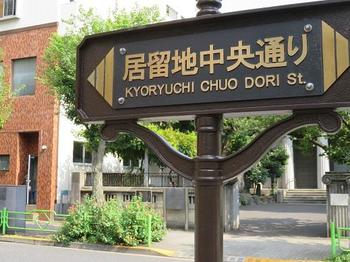
"Reservation area Chuo-dori" is a street on the border between "Irifune" and "Minato" in Chuo-ku, and also a street that runs through the center of "Akashicho".

"Reservation" refers to the Tsukiji foreign settlement established around here at the beginning of the Meiji era.
lanta002.JPG

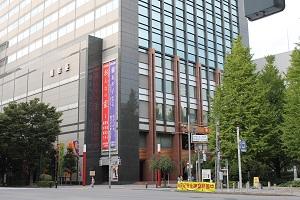
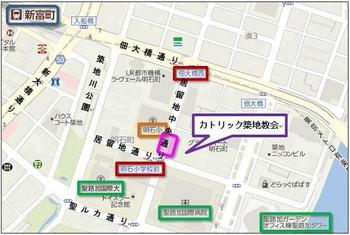
The intersection where "Reservation Chuo-dori" and "Reservation Street" intersect is the "Akashi Elementary School Front Intersection", which constitutes this intersection: Akashi Elementary School, Catholic Tsukiji Church, St. Luke International Hospital, and St. Luke International Hospital
lanta009.jpg

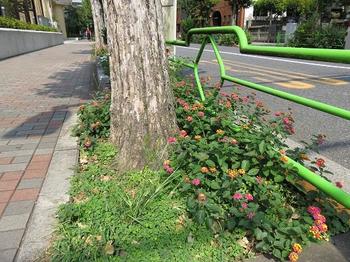
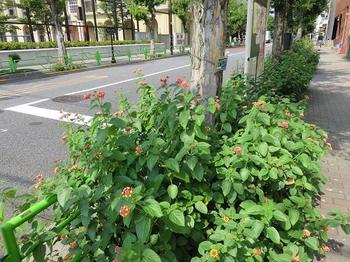
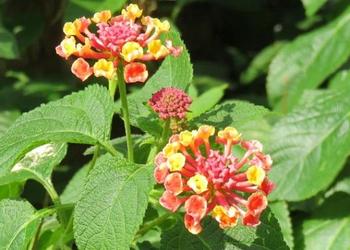
Vivid pink, orange and yellow flowers are blooming at the base of the street tree along Chuo-dori, a reservation on the north side of Akashi Elementary School front intersection (top map, pink b)

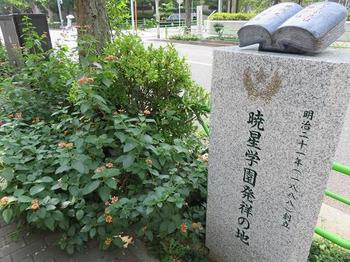
By the way, there are many monuments on both sides of this street that indicate that it is the birthplace of so-called mission schools.
lanta003.JPG

The photo above is the monument of the birthplace of Gyosei Gakuen.
lanta004.JPG

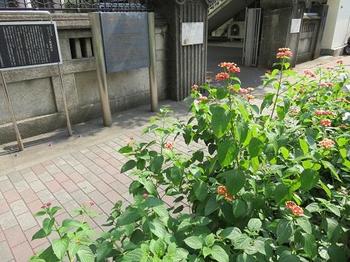
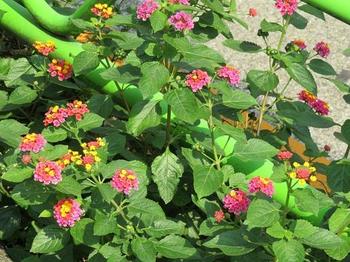
The flower that blooms is lantana. The Japanese name is Sichihenge (seven changes).

It is an evergreen small shrub of the genus Citigenge, and is said to be native to Central and South America.
lanta005.JPG

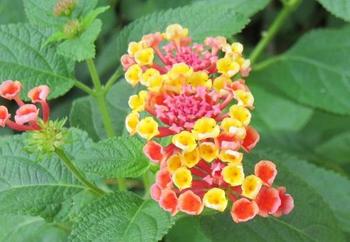
It is said that the seven changes in Japanese name are derived from the gradual change of color of the flower.
lanta006.jpg

The flowering time is long from May to November, and it continues to bloom.
lanta007.jpg

By the end of this flower, it's almost winter.

lanta008.JPG


NINGYOCHO (Lonely Planet )

[CAM] 16:00 on September 26, 2017

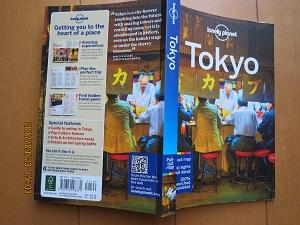
 One of the guidebooks available by foreign tourists is the Lonely Planet series.

IMG_1254.JPG
 Looking at how Nihonbashi is explained in this guidebook (10th edition-Aug 2015), "Ningyocho" is described as follows.


NINGYOCHO

East of Nihombashi, towards the Sumida-gawa, is Ningyocho, a shitamachi (old downtown Tokyo) area well worth exploring for its small temples, shrines, craft shops, food stalls, and atmospheric places to eat and drink. Ningyo means doll - these and puppets were once made here when Ningyocho was a hub for the performance arts. Kabuki is still performed at Meiji-za (Meijiza; 2-31-1 Nihonbashi-Hamacho) theater.

IMG_3578.JPG


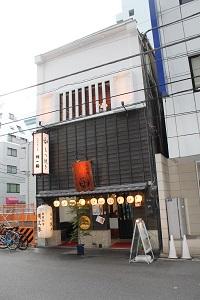
and you can view the dolls and puppets of Jusaburo Tsujimura at Jusaburo-kan (3-6-9 Nihonbashi-Ningyocho).


 However, this "Jusable House" stated, "The atelier in Ningyocho, Tokyo, has been closed to the public on September 12, 2015. We are continuing to exhibit at [Jusaburo Tsujimura Ningyokan] in Miyoshi City, Hiroshima Prefecture, so thank you very much. "It was already closed and the site was an izakaya.

IMG_3587.JPG


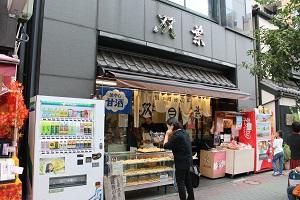
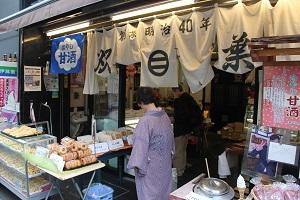
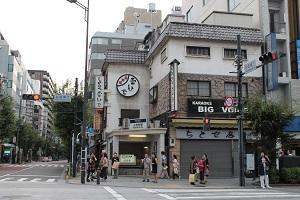
Zone in on Amazake Yokocho (amazake) a delightful shopping street lined with age-old businesses and named after the sweet, milky sake drink amazake; You can sample it at Futaba (2-4-9 Nihonbashi-Ningyocho), along with various sweet and savoury eats made from tofu.

IMG_3573.JPG

IMG_3574.JPG

IMG_3582.JPG


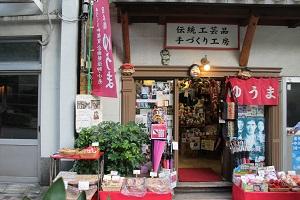
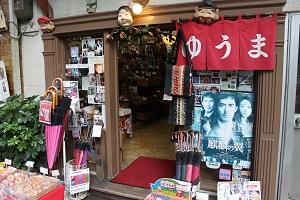
Also along here is colourful crafts shop Yuma (2-32-5 Nihonbashi-Ningyocho).

IMG_3575.JPG

IMG_3580.JPG


West across NIngyocho-dori from Amazake Yokocho, you'll easily spot Tamahide (1-17-1 Nihonbashi-Ningyocho) by the line of customers outside waiting for a space inside the restaurant which has been serving up its signature oyakodon (chicken cooked in a sweet soy sauce with eggs and served over a bowl of rice) since 1760.

IMG_3572.JPG

IMG_3585.JPG


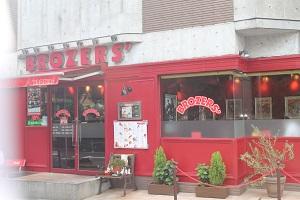
A few blocks northeast from Amazake Yokocho, facing a neighbouring park, is Brozer' s Hamburger (2-28-5 Nihonbashi-Ningyocho), one of Tokyo's best burger joints.

IMG_3576.JPG


Tokyo Skytree "Sky Day" Special Lighting

[Sam] 09:00 on September 22, 2017

DSC_0207ELS'.jpg 

DSC_0212'RSG.jpg September 20th is “Empty Day”. "The tower closest to the sky" Tokyo Skytree tie-up with Japan Airlines, and on the 20th to 24th, "red" and "white" with the image of JAL aircraft, and "blue" with three new designs "Empty Day" special lighting.
 September 20 to September 22 17:45 to 22:00

 September 23, 24, 17:30 to 22:00

 From 22:00 to 24:00, regular lighting "Iki", "Maga" and "Nobori" lights

At the same time, a special project "TOKYO SKY WORLD" is being held from September 9th to 30th.

The JAL Museum in TOKYO SKYTREE, which introduces the history of JAL since its founding, such as panel displays of aircraft, cabin crew uniforms, in-flight service, and guest room specifications, has been set up. Various events are planned under the theme of "sky".

At dusk when a pleasant wind blows through the river surface in early autumn. From the Sumida River Ohashi, a new lighting shines through Kiyosu Bridge, where the cable part is colored pink.


7, Tsuiji Konjaku

[Blowing of Koi in Satsuki] 09:00 on September 21, 2017

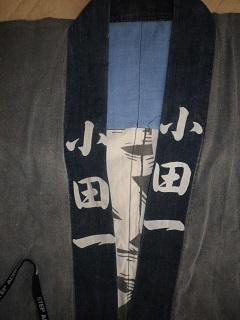
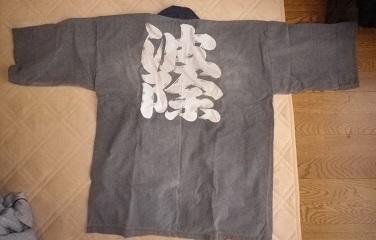
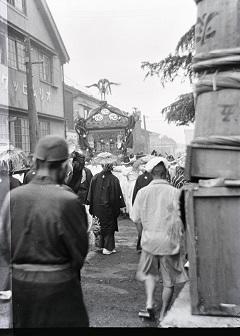
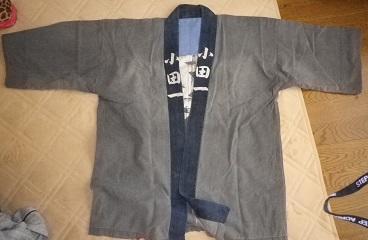
A photo of the old festival of Namiki and a half coat of one Oda (1-chome Odawara-cho) appeared.

Look at it.

The road in this photo is not paved, so I think it was the first half of the Showa 30s or before.

Tsukiji 7-chome was the old town name Odawara-cho 1-chome.


Wave festival. JPG 

The building in the photo was a bakery factory called Olympic, where I went to buy it when I was a child. When I saw this, I remembered that my favorite bread was ham bread with ham sandwiched between koppe bread.

I think that Mr. Olympic had a shop in Ginza.


7, Tsuiji. JPG

“It’s changed so much now. >>>


1.JPG 

2.JPG 

Oda Half Clothing _ 3.JPG


Oda Half Clothing _ 4.JPG


This piece of Oda Ichi's half coat came out with the photo. Some of you in the old photos may have been wearing this dress.  


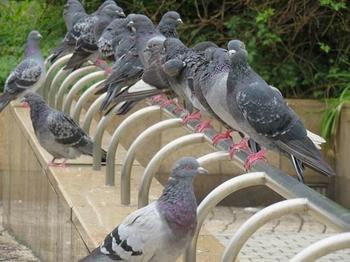
Pushing pigeons [Tsukiji River Ginza Park]

[The Minnie Cricket] 14:00 on September 20, 2017

"White-tailing" is originally used as an analogy to the concentration of things because it has the property of Japanese white-eye, a small bird, flocking to trees from autumn to winter.

hatom001.JPG

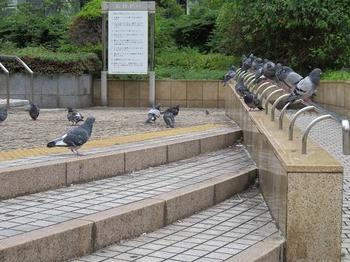
Today, I saw a pigeon push instead of Japanese white-eye push on the slope of Tsukiji River Ginza Park before I saw it gathering in this park, but it was the first time I saw it lined up in a row.

hatom003.JPG

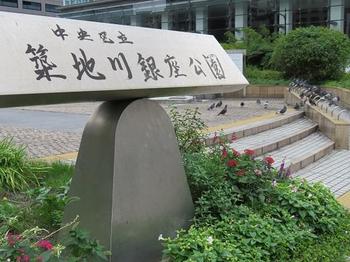
Tsukiji River Ginza Park is a park built on the Metropolitan Expressway on both sides of Mannen Bridge on the way from Higashiginza to Tsukiji along Harumi-dori St.

This Metropolitan Expressway was built by reclaiming the Tsukiji River, which used to flow here.

hatom002.JPG

It seems that the original Japanese white-eye push was also a sight seen from autumn to winter, but today's "Hato push" was also seen on a suddenly cool day, giving me a sense of the changing seasons.


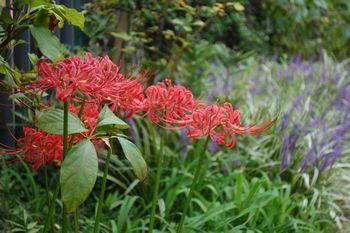
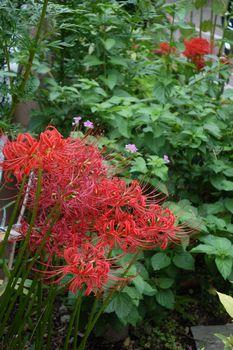
Cluster amaryllis on the roadside

[TAKK...] 12:00 on September 19, 2017

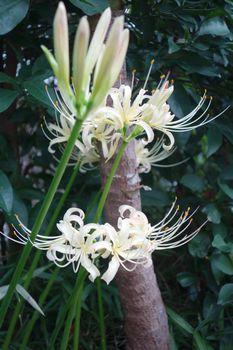
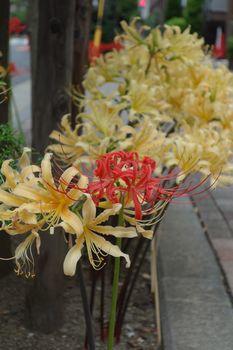
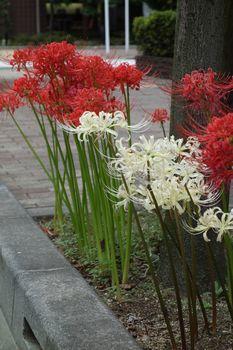
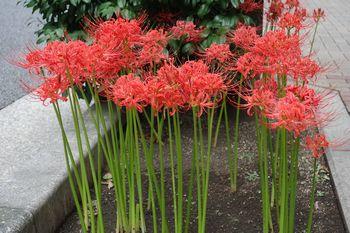
There are some gardens, such as Hamarikyu Onshi Garden, where cluster amaryllis can be seen, but it blooms on the roadside.


[Near Chuo Elementary School]

001.jpg

002.jpg

[White cluster amaryllis near Minami Takahashi]

008.jpg

[Shinkawa] 

 Red and golden cluster amaryllis

009.jpg

 White cluster amaryllis

011.jpg

010.jpg