List of Authors
>>About this blog
Recent blog posts
|
[Sumida Fireworks]
18:00 on February 6, 2019
The story of Kyobashi. It is continuation from the previous time (the last time is here → [Kyobashi Monogatari 1]).
It is the town of Kyobashi seen from Ginza. The Kyobashi River once flowed at the border between these two cities, and Kyobashi was built on top of it. The main pillar of the bridge built during the Meiji and Taisho eras is left as a historic site, but it is no longer difficult to imagine that era from the current cityscape.
 However, the town of Kyobashi seen from Ginza was once known as a picture-like landscape. What kind of city was it? How was the city built? I would like to introduce it several times using postcards. However, the town of Kyobashi seen from Ginza was once known as a picture-like landscape. What kind of city was it? How was the city built? I would like to introduce it several times using postcards.
Let's start with a picture.
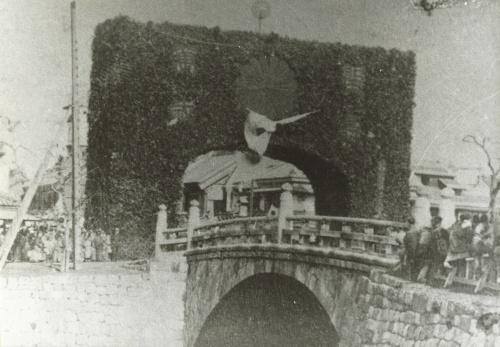
Photo courtesy of: Chuo Ward Kyobashi Library
You can see "Kyobashi" over the Kyobashi River from the Ginza side. At the time of Meiji 28 (1895), Kyobashi Street was called Minami Temmacho, and a huge gate temporarily stood on the south Temmacho side of the bridge. This is a triumphal gate built during the Sino-Japanese War. It is said that various forms of triumphal arches were built around the country to welcome the soldiers who traveled.
On the other hand, "Kyobashi" It is said that the bridge was built in the early Edo period, but the bridge in this era was rebuilt from wood to stone by Kangoro Hashimoto, a famous mason in Higo, Kyushu in 1875. The main pillar of this bridge, which draws a stunning arch, had a traditional giboshi design of Kyobashi.
Kyobashi was later replaced by an iron bridge in 1901. It is said that the main pillars and balustrades were diverted from the predecessor Ishibashi, and the side of the arch was covered with a cover so that the structure inside could not be seen, and a pattern was applied.
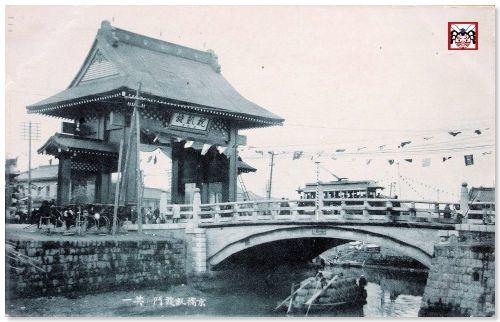
The Japanese-style gate on the left is the Kyobashi Triomphe, which was built around 1905 during the Russo-Japanese War. The one with the Arc de Triomphe is on the Ginza side. A tram runs on the bridge, and a small boat carrying rice bales floats on the Kyobashi River.
This is a postcard. When the postcards were privately made in 1900 (Meiji 33), they spread on the victorious mood of the Russo-Japanese War afterwards. At this time, there was no radio yet, and postcards played an important role as a means of communicating information to various places. And that information has been delivered in the form of valuable historical materials from the early 20th century, even now, apart from time.
Streetcars are often shown on postcards on Ginza Street. After replacing Kyobashi with iron, the tram began to pass in 1903, so postcards began at the same time as the history of iron Kyobashi and Ginza Street tram lines.
This is a view of Ginza Street in the Arc de Triomphe from Minami Temmacho. As the flag flutters, flower trains run, and people are rushing over the bridge. It is also the charm of postcards that you can enjoy the atmosphere of the time, which you can not learn in history textbooks.

I still have the charm of postcards. Sometimes I find funny stuff. This is a postcard with a view of Minami Temmacho from Ginza. There is a gas light on the right end, and a telephone box in the lower left.

For the first time, I learned about the phone box in an article previously reported by correspondent Hanes. Please take a look at this.
It was in Kyobashi! Japan's first street public telephone → Here
By the way, this postcard is called "hand-colored postcards", and each one is colored by a colorist. I don't know if it was a real color because it was sometimes painted in the color of the person's preference.
If you look at the distance at the top right of the phone box, you can see the clock tower. This is the Kobayashi Clock Store in Minami Temmacho. The Kobayashi Clock Store is famous for its large clock tower built in Hachikan-cho (now Ginza 8-chome), and also built a clock tower at the branch of Minami Temmacho. Kintaro Hattori, the founder of that Hattori Clock Store, saw the prosperity of this Kobayashi Clock Store, and decided to become a watch dealer.
The picture postcard below is probably the scenery of Minami Temmacho in the late Meiji era. On the other side of the bridge, there is a beer hall in Minami Temmacho, and on the right side, the main pillar of Kyobashi with "Kiyabashi" and something like a gas lamp.

At the current Kyobashi site, there are two main pillars engraved with "Kiyabashi" and "Kyobashi", but as you can see the place where it was actually installed at that time, "Kiyauhashi" was on the right side from the Ginza side, and "Kyobashi" was on the right side from the south Temmacho side.

By the way, when I examined past photographs of the main pillars that should have been two more, one was the bridge year of 1901, and the other seemed to have some characters engraved, but I could not decipher it.
After that, we will enter the era of the Taisho era. This photo seems to be around Taisho 2.3 (1913.4). This is a picture of the Ginza area from Minami Temmacho. The building on the right is Nisshusha. The present Yomiuri Shimbun was here.

Nissho had a clock tower at the end of the Meiji era, but it was removed in a few years. The city of Ginza was a place where many newspapers and Meiji period gathered, and it was also a place for information collection.
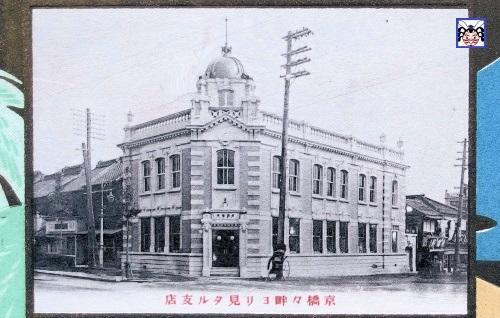
On the other hand, on the south Temmacho side, in 1914, a building of the Toyokuni Bank Kyobashi Branch was completed on the diagonal line of the bridge of Nisshinsha. It is around the building where the current LIXIL enters is built.

The design of the postcard is probably the view seen from the tower with a circular dome. Since this building was built in the Taisho era, the city of Minami Temmacho will blossom at a rapid pace.
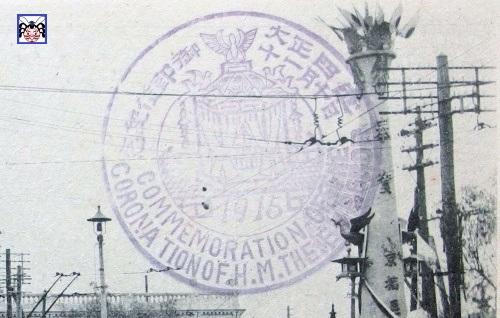
In the following year, Kyobashi in 1915, there is a celebration gate on the south Temmacho side and a celebration tower on the Ginza side. There was something big celebration on major bridges such as Kyobashi.

This is a postcard when Emperor Taisho's Great Tensho (the Enthronement Ceremony and Great Thanksgiving Ceremony) was held in November. What is depicted on the stamp is the octagonal Takamikura, which is used for the enthronement ceremony at the time of the succession of the Imperial Throne. It is said that the current Takamiza was reproduced at the time of Emperor Taisho, and this will be used again this year.
Looking at Minami Temmacho from a different angle, the Toyokuni Bank is shown on the right side of the street, and construction of a new building has begun across from it.

This is the building of Daido Life Insurance Tokyo Branch, completed in 1916, the following year. It was called "Daido Life Building" and had a circular dome roof similar to the Toyokuni Bank. After this, it will become a building that will become the face of Minami Temmacho, which creates the atmosphere of Taisho Roman. In the current location, it is located on the basement floor of Tokyo Square Garden, above Central FM.
 Photo courtesy of: Chuo Ward Kyobashi Library Photo courtesy of: Chuo Ward Kyobashi Library
Is it in 1916? The bridge seen from this Daido Life Building and the cityscape of Ginza.

South Temmacho where tall buildings began to be built. You will be able to take a bird's-eye view of the city of Ginza from a high place, and this kind of photo will appear in the future. South Temmacho in the Taisho era started this way.
Continue.
[JRT felt]
12:00 on February 4, 2019
Around noon, when I was walking around Ginza 1-chome, I suddenly found a shop with a mysterious name.
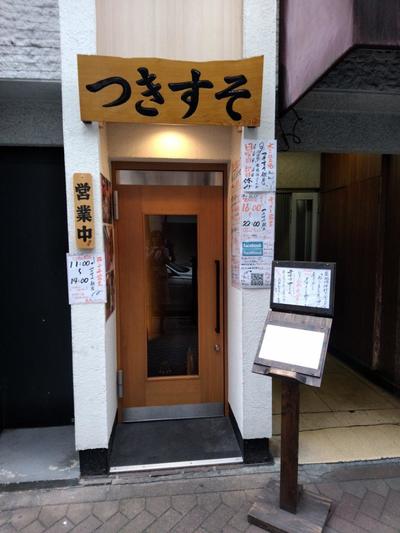
The sign says "Tsukisuso", but is it Tsukiso? Do you think? ? ?
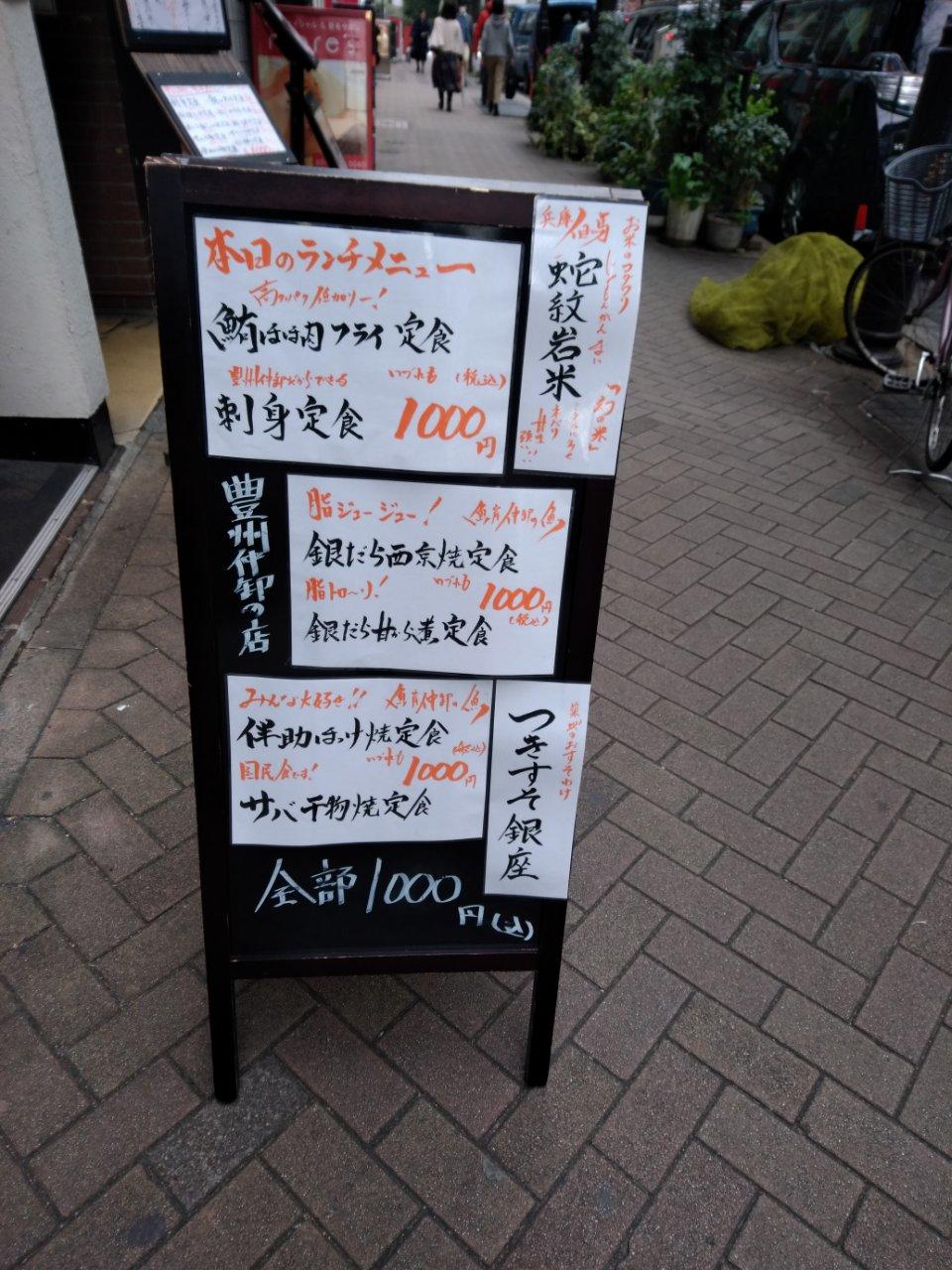
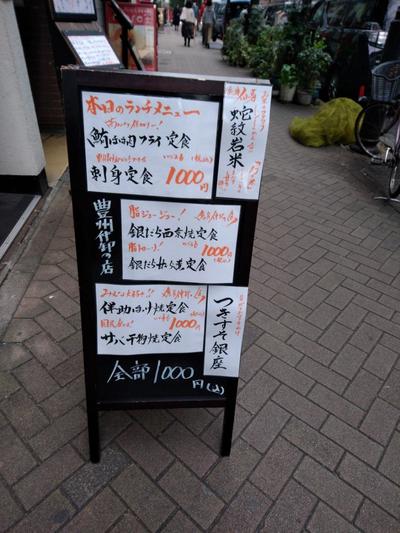
Looking at the menu, it looks like a shop centered on fish, but I was interested in it and saw it immediately.
When you open the door of the entrance, you will see the stairs leading to the basement. It's a little rush, but there's no problem with the handrails.
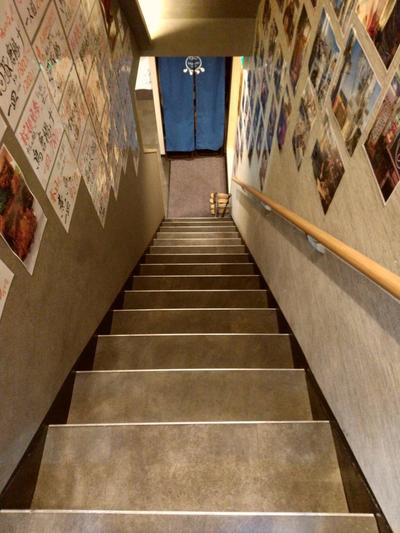
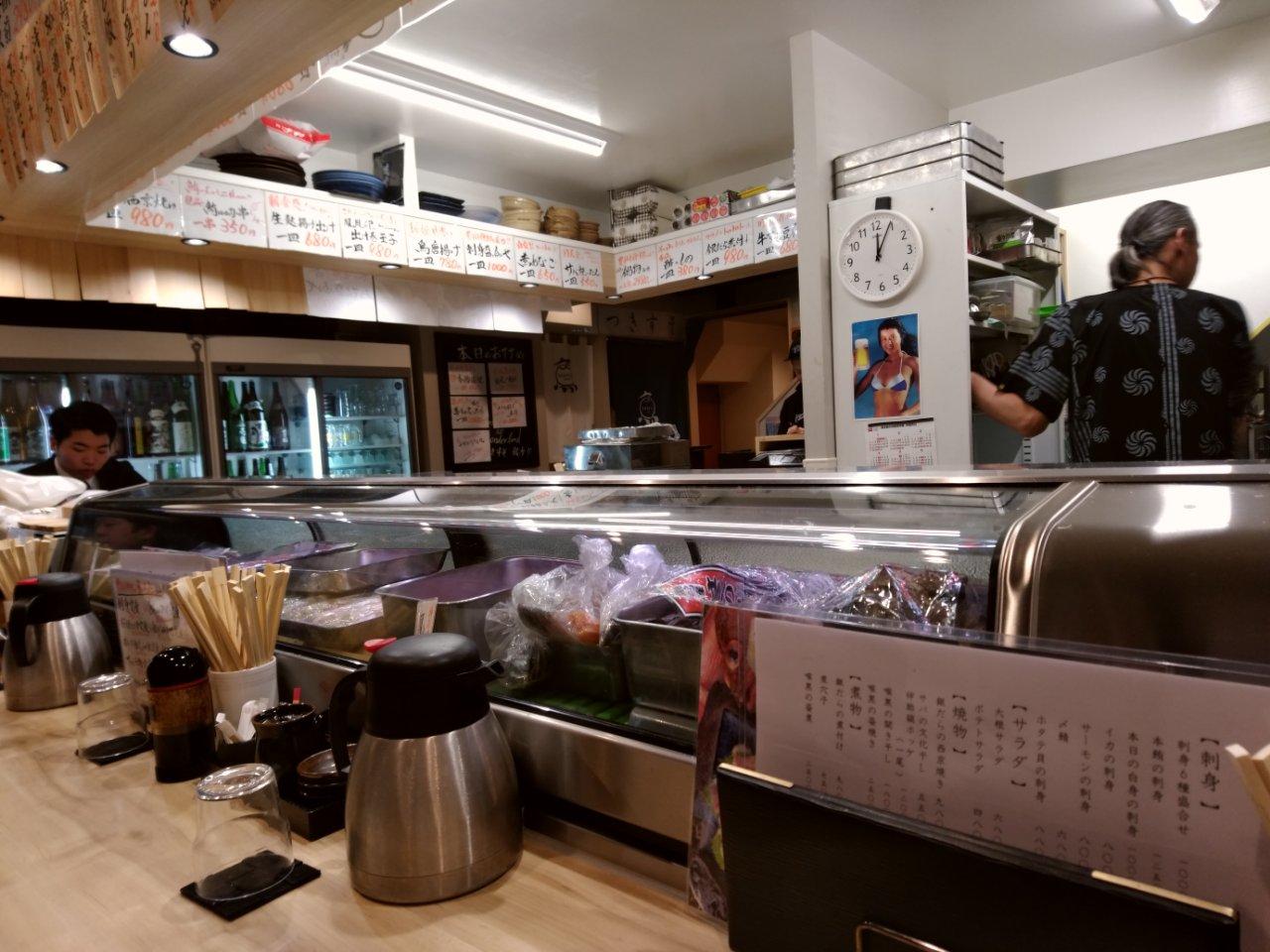
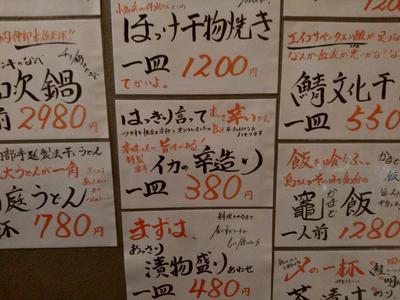
There was a handwritten menu on the whole wall. Expectations will increase.
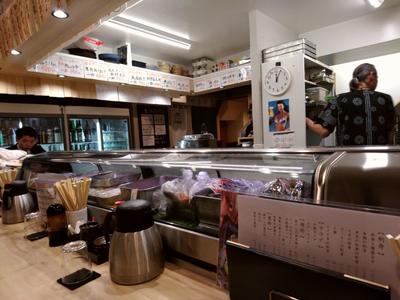
“Welcome,” he greeted me with a cheerful voice. The kitchen and the staff are only men.
There are counter seats around the kitchen, and 13 to 14 people can sit.
There was also a small digging-type private room divided into places. This is the size of up to 10 people.
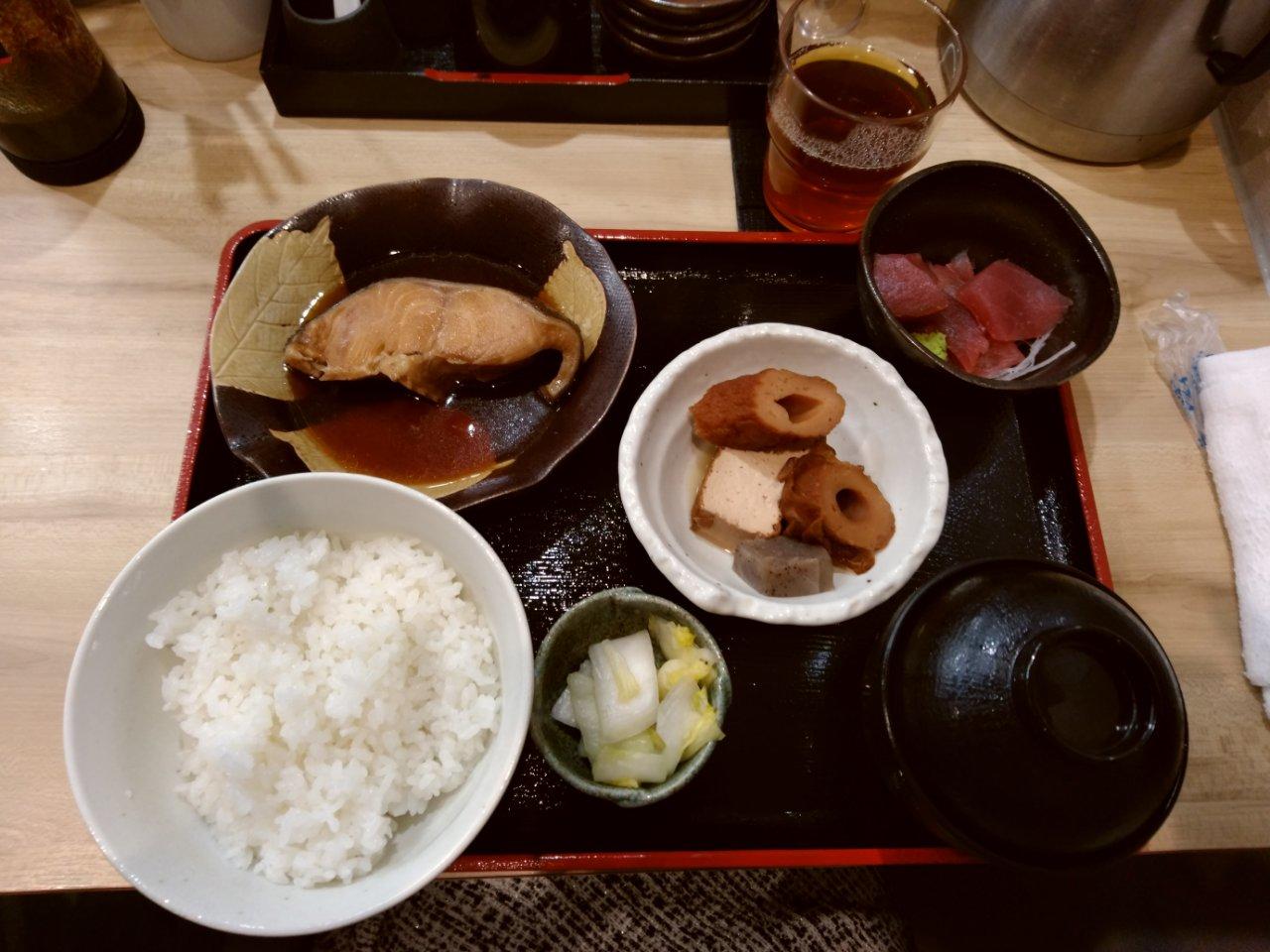
From today's lunch menu, we chose "Silver simmered set meal" (1,000 yen including tax).
It was well prepared and brought to the table!
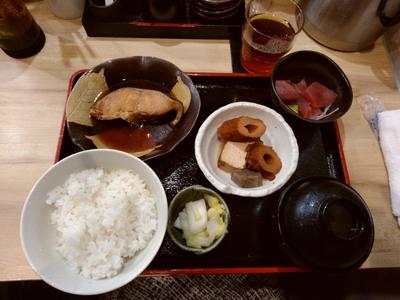
In addition to the main stew, in small bowls, tuna fillets, fried tofu and chikuwa boiled, pickles and miso soup.
The cooking is exquisite and very delicious!
This shop is based on Toyosu Naka wholesale "Oshin Shoten", which was founded in 1868, and just opened in late October 2018.
The signboard "Tsukisuso" came from the store name "Tsukiji no Sosowake".
As expected, it was a taste that conveys the quality of fish.
The lunch menu includes not only fish dishes such as sashimi set meal, mackerel dried set meal, and Bansuke hokke dried meal set meal, but also Sakurahimetori Tang set meal.
Lunch is OK instead, and you can hear the customer's voice saying "Please replace it."
I'm also glad that the store's Facebook page has information about purchasing letters and menus.
https://www.facebook.com/ Tsukisuso Ginza Store -2183838465223309/
When I entered the store, there were vacant seats, but by the time I finished eating, it was full!
I agree that it is a popular shop.
When you come to Ginza 1-chome, please enjoy delicious fish.
[About the shop]
Store name; Tsukiji's Susowake Ginza Store
Address: 1-4-6 Ginza, Chuo-ku First Nasdavir B1F
Place; 1 minute walk from Exit 3 of Ginza 1-chome Station on the Yurakucho Line, 3 minutes walk from Kyobashi Exit of JR Yurakucho Station
Phone: 03-6263-0278
Sales; 11:00 to 14:00, 16:00 to 22:00 on the day before holidays
https://www.facebook.com/ Tsukisuso Ginza Store -2183838465223309/
[The Minnie Cricket]
09:00 on February 4, 2019
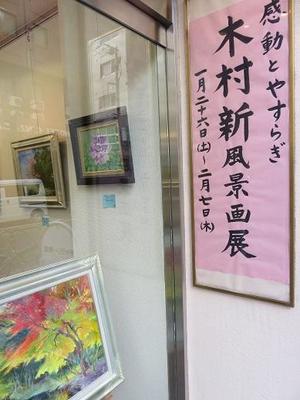
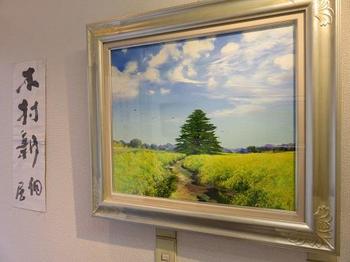
This is a landscape painting exhibition by Arata Kimura, held at Gallery Ginza, a gallery in Ginza 2-chome.
The theme is "Light, Impression, and Peace", and the event period is from Saturday, January 26 to February 7 (Thu).
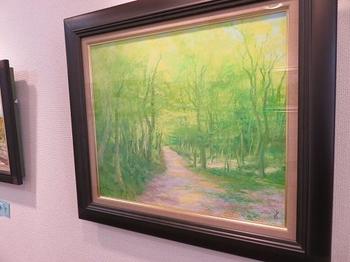
The time is from 10:00 am to 6:30 pm, but please note that the last day is until 5:00 pm
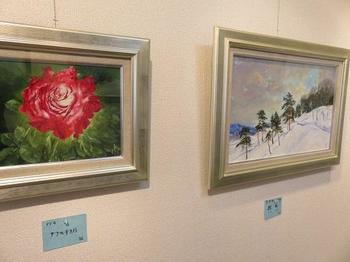
Mr. Kimura's exhibition at the gallery was introduced on this blog last March.
Mr. Kimura's commitment, who taught me at the last time, said that "drawing everything from base to completion at the site" is still ongoing.
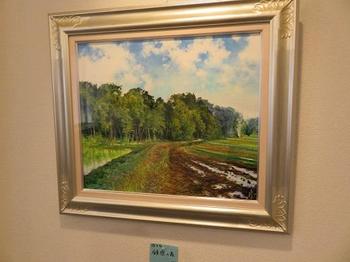
The cold winter scenery covered  with snow probably reflects the atmosphere there, just because Kimura was drawn at the scene. with snow probably reflects the atmosphere there, just because Kimura was drawn at the scene.
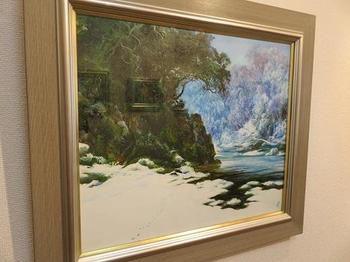
The beauty of the four seasons in Japan, the warmth of early spring, the freshness of fresh greenery, the lyric of dusk, and the loneliness of late autumn are all admired by the power that is incorporated into the picture.
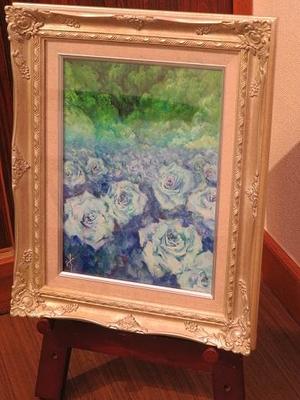
Mr. Kimura's detailed brushwork, who did not loose one of the twigs of the tree, gave me a sense of sincere approach to the work, and I was able to appreciate it really comfortably.
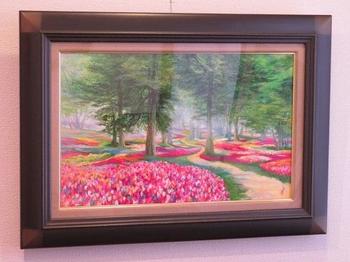
The venue is both the first and second floors of Gallery Ginza.
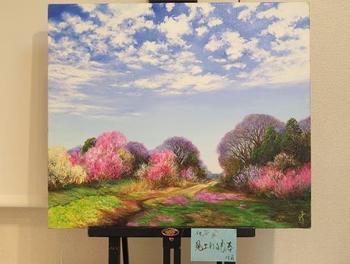
In addition, this time, we received your consent  regarding the photography in the gallery, and we were able to hear valuable stories such as the origin of the title of the work from Mr. Kimura, who was in the gallery at the time of the visit. Was. regarding the photography in the gallery, and we were able to hear valuable stories such as the origin of the title of the work from Mr. Kimura, who was in the gallery at the time of the visit. Was.
Thank you very much
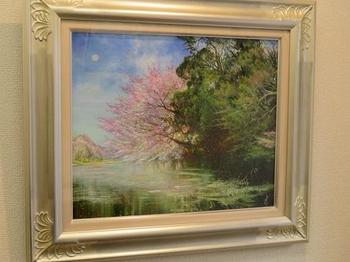
Click here for a blog post that introduced the exhibition held at the gallery last March. ⇒
/archive/2018/03/post-5022.html
Click here for the website of Gallery Ginza ⇒
https://www.gallery-ginza.com/
 
[Minatokko-chan]
09:00 on February 2, 2019
Hello, my name is Minato-chan.
There are various public things on the sidewalks. Not only the information boards and monuments of the town, but if you look up a little, signs, traffic lights, curve mirrors, etc. that protect the safety of pedestrians, and if you look at your feet, you will be drawn on manhole patterns and pavement tiles The pictures will catch our eyes and delight us.
Today, even in such a situation, I gathered illustrations of nostalgic touches and retro things with rare shapes.
♪ Various information boards
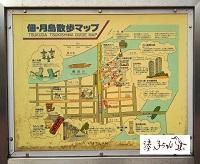
This is a tourist information board found on the sidewalk of Tsukuda Naka-dori. Handwritten pictures and letters will be fun just by looking at them! Under the title of "Tsukuda / Tsukishima Walking Map", here introduces the fact that Tsukuda Island is the birthplace of Tsukudani, River City 21, the ruins of Ishikawajima Lighthouse, Monja Street, Tsukishima Kannon, and a little further We stretch out and guide Kachidokibashi.
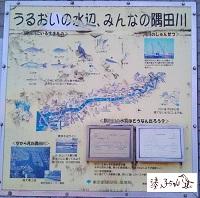
This is the Sumida River Terrace. This panel is installed on the wall on the sidewalk at Tsukuda-ohashi Bridge Chikaku. Using graphs, we introduce creatures that gather on the terrace, such as fish and wild birds, and how the water quality that deteriorated in the 1930s has improved. The part of the graph is open and closed.
♪ Flowerbed on the sidewalk
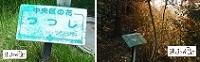
A green plate with "flower azalea of ward" stands on the flower bed on the sidewalk. It looks like it was installed in the city. It's a plate that I don't see much now, so it may be a long time ago. The same type, and the right is "Tree of the Ward".
♪ A note
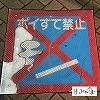
This mark was found at Namiki-dori St. in Ginza. This is embedded in the pavement of the sidewalk. At present, the mark and design seen on the sidewalk in Chuo-ku are different, so it may be a long time ago.
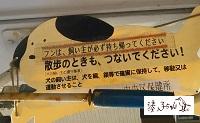
It is a plate that calls for dog manners, which is often installed on pillars on the sidewalk and on concrete walls. It says, "Please connect it when walking" and "Let's take your dog feces home properly."
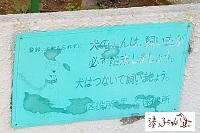
It's a bit difficult to see, but this is a sharp picture touch, calling out to "let's keep dogs connected" and "don't forget to register and vaccinations."
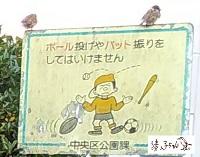
It is a sign that prohibits ball play installed in Tsukuda Park. It's nice to have a nostalgic picture!
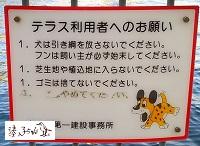
This is a note installed on the Sumida River Terrace and the protective fence. As a request to terrace users, it is written that dogs should not walk, do not enter the planting, and do not discard garbage. The picture of the dog is cute.
♪ Various water supply
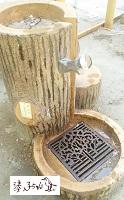
It is a water supply installed in a park in the Minato area. The shape of a stump, fairy tale. The table on which a child rides when drinking water is also a small stump. The part of the iron fence is shaped like a tree and is quite elaborate. These worrying designs will not fade over time.
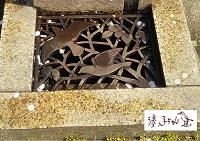
This is the water supply of Tsukudabori Chikaku. The iron fence part is shaped like a pigeon.
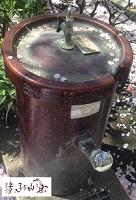
It is a water supply installed in a park in the Tsukuda area. It looks like a potted plant. There is a plate called "Please cooperate with water saving Chuo-ku". The season is in.
♪ Astringent things
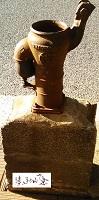
It is a well found along Shin-ohashi-dori St. The manufacturer could not be identified, but various wells can be found in various places in Chuo-ku. There are trademarks and numbers in the well, but there are so many types, so it is interesting to compare them.
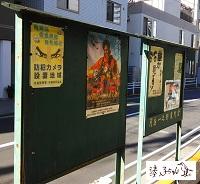
This is a bulletin board on the sidewalk found in the Tsukishima area. The posted part is a green board, and the eaves are also wooden. Nowadays, there are not many wooden bulletin boards left. It's very valuable.
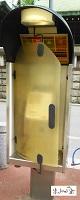
This is a public telephone installed in a park in the Minato area. The round roof is illuminated, and the door is attached to the table where the telephone is installed. Recently, you have seen fewer public telephones. The exterior feels nostalgic, but the phone inside is relatively new.
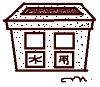
It is a stone fire prevention water tub that can be seen in various areas in Chuo-ku. Fire tubs are often placed in front of the entrance of the house. In the past, we used to store water here in case of emergency.
"When the sparks flew in the air raid, I drained water from a tub and put it home so that it would not cause a fire," said the local community.
※ The fire prevention water tub I met this time contained the personal name, so I will introduce it in an illustration. Thank you for your understanding.
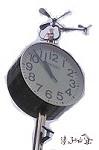 ♪ Stylish object ♪ Stylish object
This clock tower is located on the terrace of the Nihonbashi Hakozaki area.
There's a cute object on the top. There's a small child on the helicopter.
This is a clock tower built in commemoration of the expansion and maintenance of the Sumida River Terrace when the construction of the Eidan Hanzomon Line was carried out in 2001.
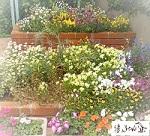
♪ Flowers for Local People
As a long-standing landscape of Chuo-ku, you can see many potted plants lined up at the eaves.
It seems that in areas where private houses are dense and there is little green, it is customary to put potted plants in order to feel closer to the flowers as much as possible. In addition to such potted plants, you can also see flower beds grown in the town council.
When I see the flowers blooming beautifully, I feel like there is a smile of people there, and we walking naturally feel fun. The sidewalk in Chuo-ku is interesting!
Chuo-ku Tourism Association correspondent Minato-chan
No. 34 January 29, 2019
[rosemary sea]
18:00 on February 1, 2019
Rosemary sea is a direct cover of "gifts, and enjoy yourself."
Hakutsuru Ginza Style (HAKUTSURU GINZA STYLE), as I have explained so far, it was established for the purpose of transmitting a lifestyle with sake from Ginza.
Since 2006, various seminars on sake have been held mainly.
You can imagine the classroom in the past article, "Seminar classroom is like this" is here.
⇒ /archive/2017/05/post-4353.html
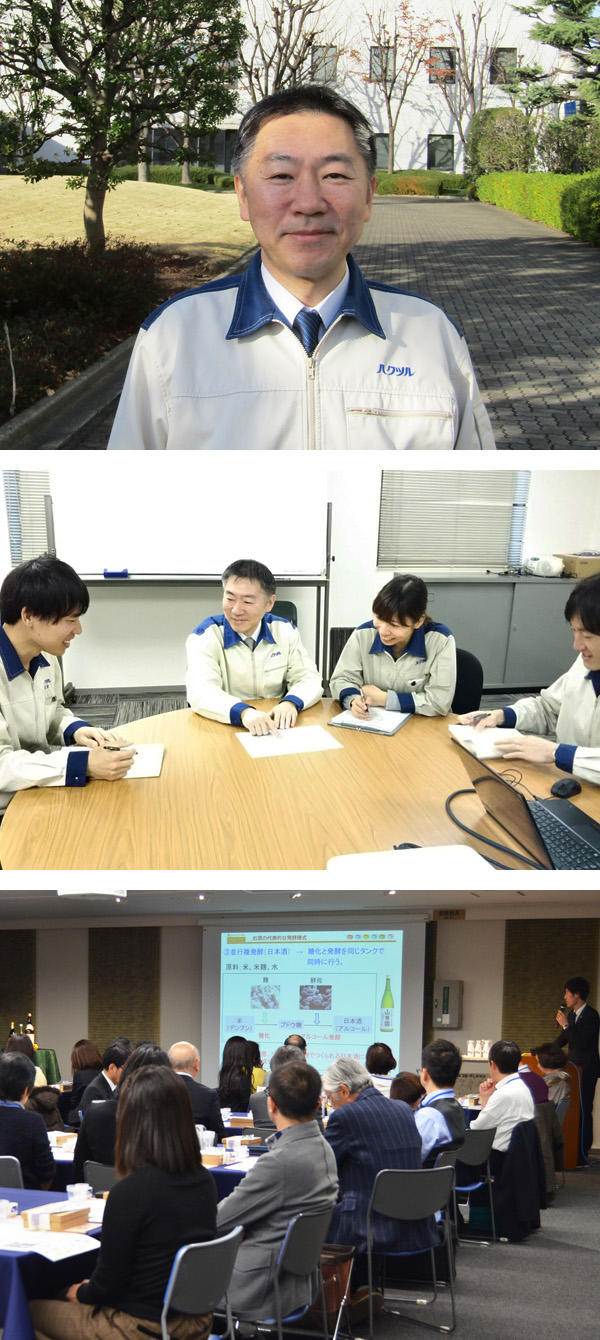
Hakutsuru Ginza Style Fukumoto, Hakutsuru Sake Brewery Co., Ltd., also took care of this time.
This time, we will introduce two seminars that are currently recruiting from late February to mid-March.
Then...
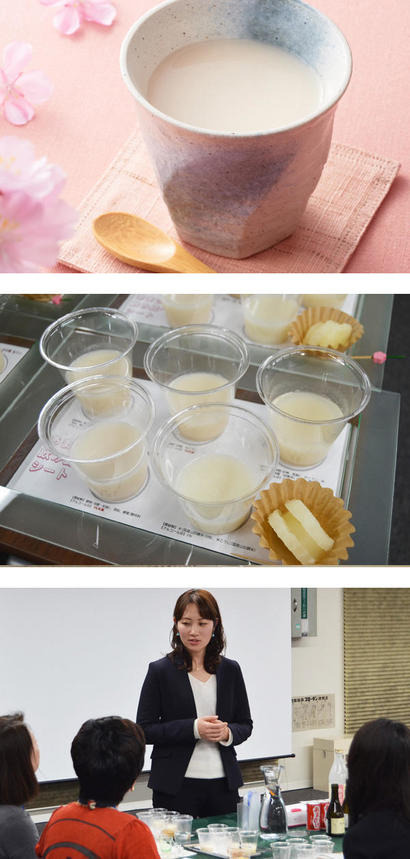
<Two seminars that can be selected day and night>
Approach the charm of amazake!
February 21 (Thursday)
Lecturer: Mr. Chiya Hagiwara, Product Development Division, Shirazuru Sake Brewery
Participation fee: Lunch: 2,000 yen (amazake, dessert, tea and souvenir included)
※ We do not offer alcohol in the daytime section.
Night club 4,000 yen (amazake, sake, lunch box, souvenir included)
Time Day part 14:00 to 15:30
Night section 18:45 to 20:15
Application deadline: Wednesday, February 6
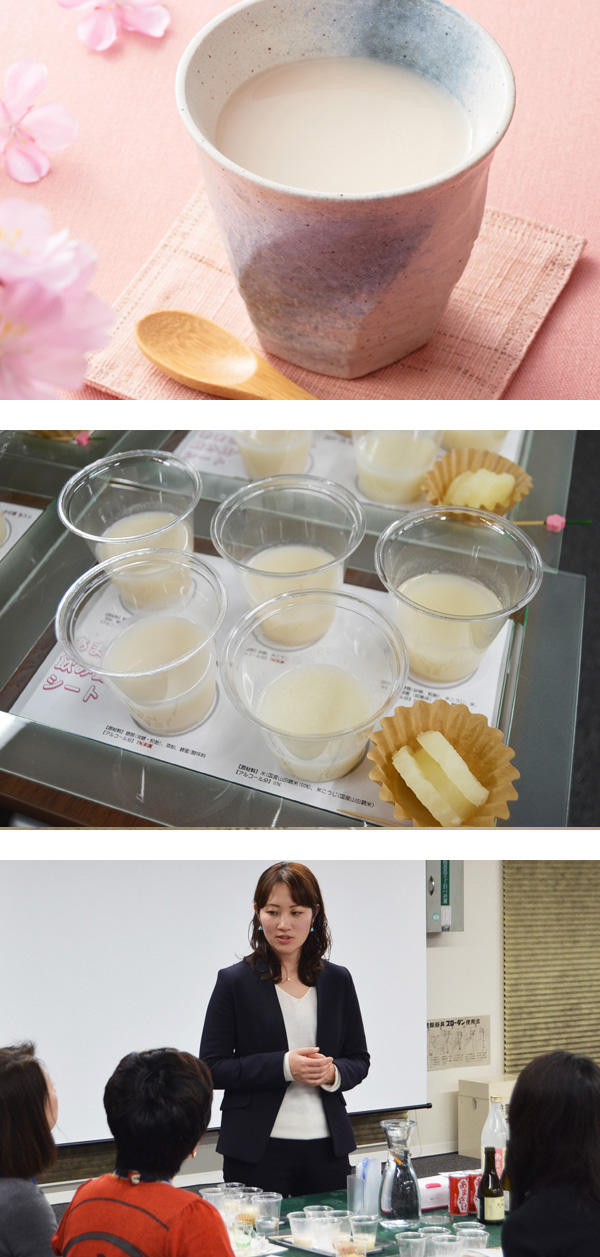
amazake is also called "drinking infusion" due to the effects of sake lees and koji.
I will approach the secret of amazake.
You can learn the difference between different types of amazake.
We also introduce recipes for drinks and desserts using amazake.
It will be held twice as you can choose between day and night.
In the daytime section, you can enjoy tasting of amazake dessert, and in the evening section, you can enjoy sake along with seasonal lunches.
In the daytime section, preschool children can be accompanied by advance notice.
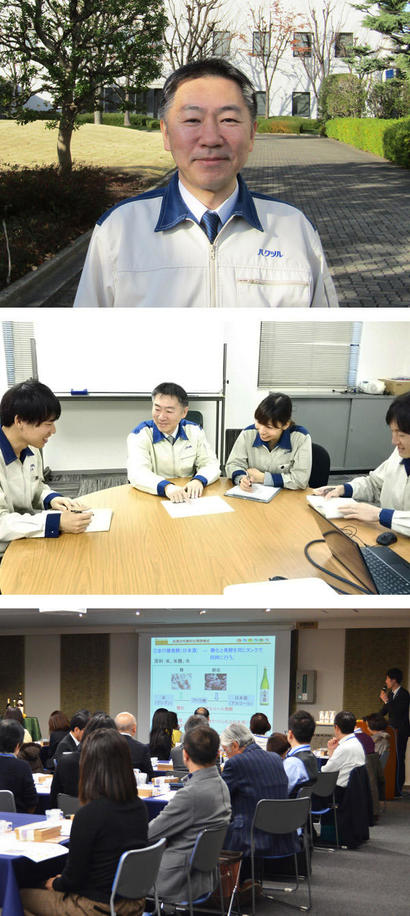
Dr. Hakutsuru talks about cutting-edge sake making
March 14 (Thursday)
Lecturer: Mr. Takahiro Akashi, Head of Shirazuru Sake Brewery Research Office
Participation fee: 5,000 yen (with lunch, alcohol and souvenir)
Time 18:45~20:15
Application deadline: Wednesday, February 27
A seminar will be held by Mr. Shiratsuru's director of the research office.
We will explain state-of-the-art brewing research and technological development in an easy-to-understand manner.
There are plenty of back stories that you can't easily hear, such as the state of the laboratory and difficult stories.
You can enjoy the specialty sake with the seasonal lunch box.
Why don't you master the deep world of sake that you can't usually know?
※ In the case of a large number of applicants, it will be a lottery.
(All seminars are popular. The probability of a lottery is high.)
For more information, please visit the website shown at the end of the text.
Hakutsuru Ginza Style
(HAKUTSURU GINZA STYLE)
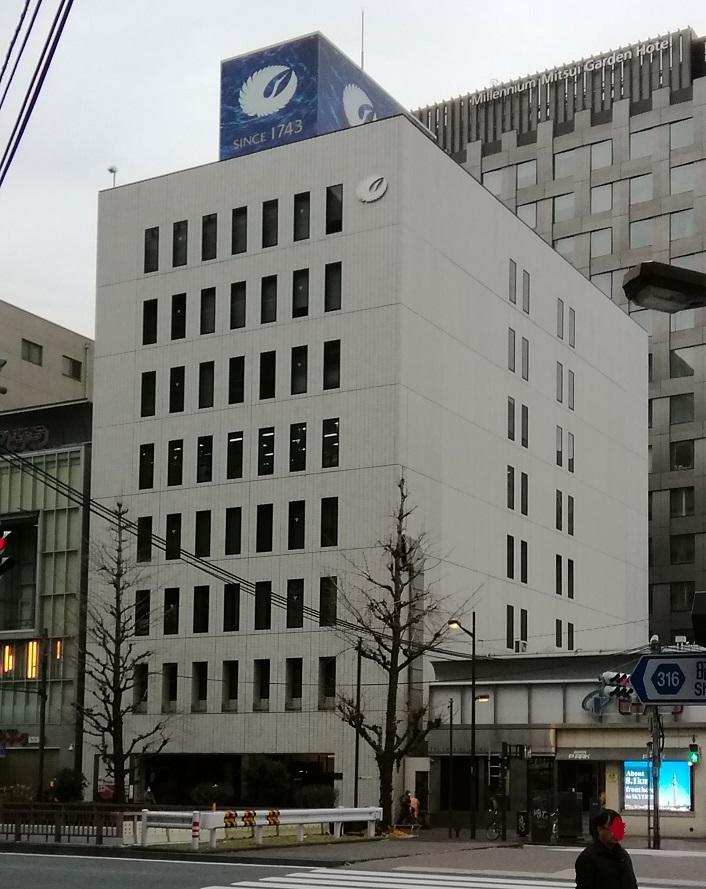
Ginza 5-12-5 Hakutsuru Building 7F
It is a building opposite the traffic light corner of Kabukiza Theater.
Contact
Phone 03-3543-0776
9:00~12:00 ・ 13:00~17:00
(excluding weekends and holidays)
Click here for details and seminar applications
⇒ http://www.hakutsuru.co.jp/g-style/
[Sumida Fireworks]
12:00 on January 31, 2019
Today I came to the roof of Ginza Six.
After walking through the crowds of Ginza Street, when you come here, you will feel a little calmer. It is also a good idea to take a leisurely tour around the rooftop and look for Tokyo Tower and Skytree. But there are other things I want to look at. It's the cityscape of Ginza. The best of them is the direction of the 4-chome intersection.
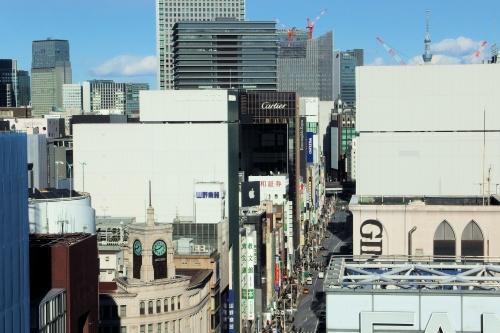
The Wako clock tower is really good. However, I have the impression that the city of Ginza is more crunchy than I thought.
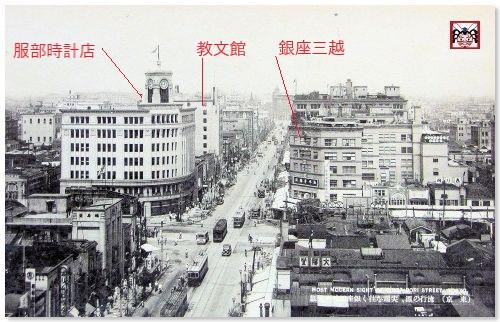
Before Ginza Six was built, the Matsuzakaya Ginza store was located in this place. The prewar scenery from Matsuzakaya was like this (around Showa 8 (1933).
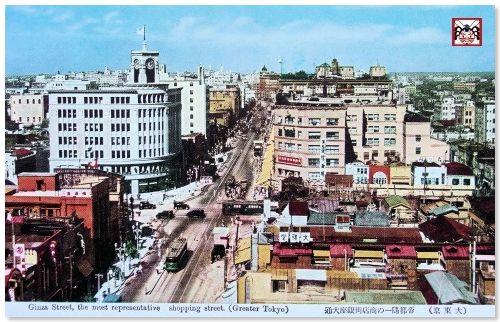
It is Ginza, which is refreshing compared to now, about 10 years after the Great Kanto Earthquake. Wako, located at the 4-chome intersection, called Hattori Clock Shop at that time. On the right is Ginza Mitsukoshi and the Kyobunkan across the Hattori Clock Store.
When I looked into history, these three were built in the following year.
1930 Ginza Mitsukoshi
Hattori Clock Store (1932)
Kyobunkan in 1933
If we can go back little by little to the past, the building will disappear in the new order. This time, I would like to change my taste a little, go back in time to the past, and guide you on a time trip on Ginza Street.
First of all, I went back a little, but there is a building that has disappeared. Do you understand?
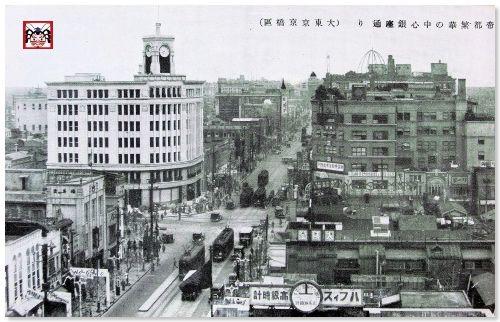
According to history, the library has disappeared. Since the Hattori Clock Store is built, it is a scenery around 1932, the year before the Kyobunkan was built.
The building was designed by Antonin Raymond. In the city of Ginza, there were several buildings he designed, but Matsuzakaya, who is now there, also had an era of his design.
On the other hand, Hattori Clock Store. This clock tower was the second generation, and the first clock tower was built in Meiji 27 (1894). After the first was demolished for renovation, the Great Kanto Earthquake struck, and nine years after the earthquake, this second generation was built.
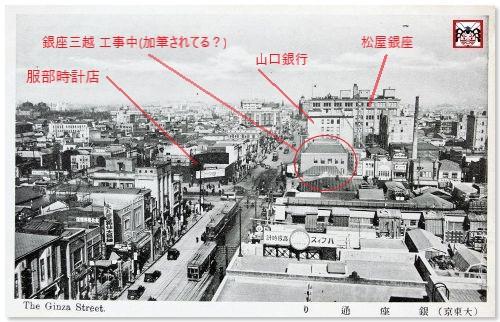
I'll go back further. It is a 4-chome intersection around Showa 4 (1929).
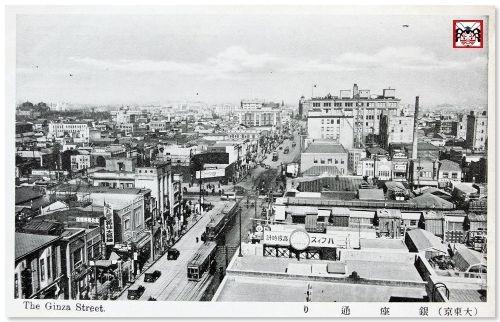
The Hattori Clock Store building is gone. There is a crane on the opposite side, so Mitsukoshi is under construction. Beyond that is the Yamaguchi Bank, and the big building that you can see beyond is Matsuya Ginza, a department store. You can see that Matsuya was already in business at that time.
Let's go back further.
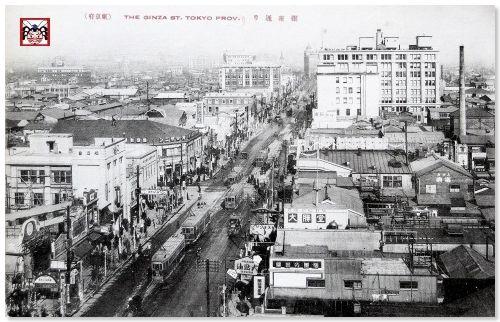
Then a low-rise barracque-style building appeared at the location of Hattori Clock Shop. This is the first year of the Showa era. It is said that this low-rise building was built after the earthquake, and Mitsukoshi moved in and was temporarily operating. After that, Mitsukoshi began construction of a building opposite the other side, and immediately after the Imperial Capital Reconstruction Festival in 1930, opened Ginza Mitsukoshi as a large-scale department store.
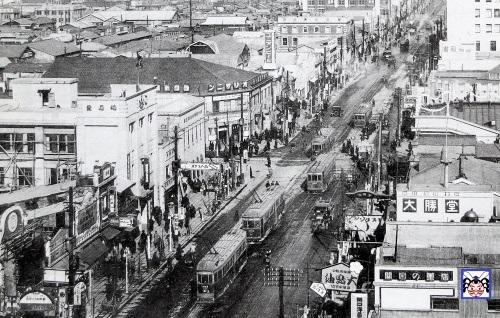
Let's go back and get closer to the year of the earthquake. Then the building of Matsuya turns into a steel frame.
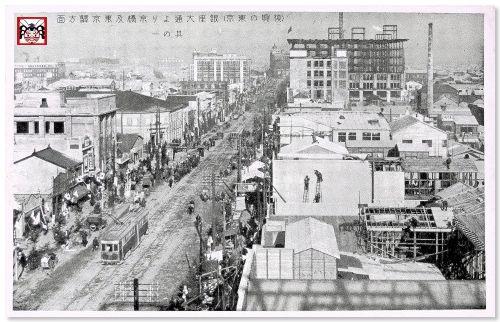
At the bottom of the photo, it seems that the shadow of the steel frame of the building of Matsuzakaya is reflected, so it seems that the buildings of Matsuya and Matsuzakaya were both steel frames. Historically, the opening of each business.
Matsuzakaya, December 1, 1924
Matsuya, May 1, 1925
So it will be the scenery of 1924. Speaking of 1924, the year after the Great Kanto Earthquake, you can see the reconstruction of the building here and there in this landscape.
As you can see, the roof of today's Ginza Six was a place that has been watching the reconstruction of the city of Ginza since the Great Kanto Earthquake.
Matsuzakaya is a large-scale department store that opened for the first time in Ginza. At that time, Ginza 6-chome was called Owaricho, and the building was built by Kunimitsu Life Insurance. Kunimitsu Life was operating on the upper floor, and Matsuzakaya entered the lower floor and set up a store.
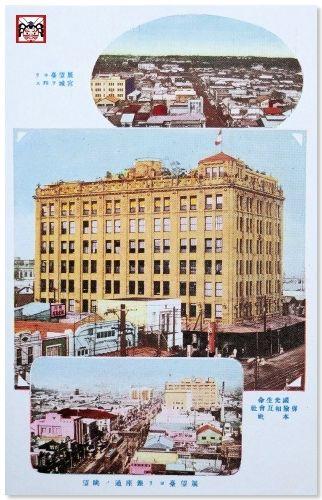 I can't believe it now, but it's a hot topic as the first department store where you can enter the entire building. There is also a bustling rooftop zoo and a yellow shuttle bus from nearby stations. With the opening of Matsuzakaya, Ginza will change from a luxury-oriented city to a city that the general public can enjoy. I can't believe it now, but it's a hot topic as the first department store where you can enter the entire building. There is also a bustling rooftop zoo and a yellow shuttle bus from nearby stations. With the opening of Matsuzakaya, Ginza will change from a luxury-oriented city to a city that the general public can enjoy.
On the other hand, how was Matsuya Ginza? I can't see it a little far away, so I'll move in the air and approach it.
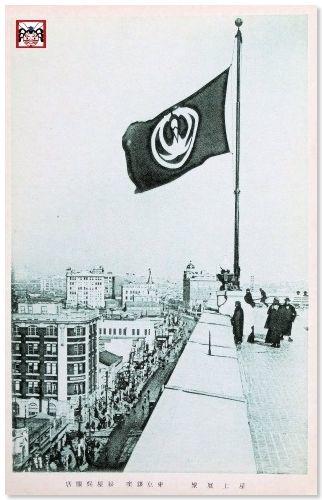
The flying flag is the Matsuya mark, designed from pine and cranes, and the bottom is Ginza Street. This is the roof of Matsuya after completion. I'm looking at the direction from Ginza 3-chome to 1-chome.
Matsuya opened in 1925, about six months after the opening of Matsuzakaya. Matsuya itself was founded in Yokohama in 1869 as Tsuruya, so this year marks the 150th anniversary of its founding. The 8-story building will begin construction by a life insurance company. However, on the way, Matsuya decided to move into the lower floor, and the design change made a large atrium. Even if you are hit by an earthquake in a steel frame, it will open 20 months later.
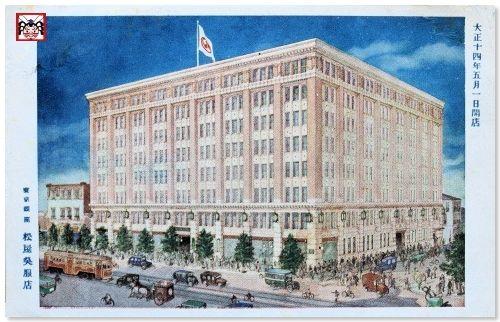
In particular, the interior seemed to be very luxurious, and attracted many people who came to the store and talked about it. After that, together with Matsuzakaya, we will become a leading player in the reconstruction of Ginza.
When you move your eyes to Ginza Street, you can see a large building in a diagonally opposite direction. This is the Okura-gumi main building completed in 1915 as a five-story building. At the time of construction, it was the tallest building in Tokyo.

As you can see from the year it was built, this building survived the Great Kanto Earthquake. Speaking of the Okura-gumi main building, it is also known when the first building with arc lights was lit, but it was about 40 years ago in this landscape. The photo shows the scenery of the second generation building, the first year of the Showa era. The current OkuraHouse, where Cartier enters, is the fourth generation.
I'm worried about the buildings that can be seen at the end of the corner of Ginza Street. The cityscape that seems to have a good atmosphere that makes you feel Taisho romance is spreading. It must be a wonderful city.
Let's move in the air to the rooftop of the Okura Gumi Main Building and approach a little closer.
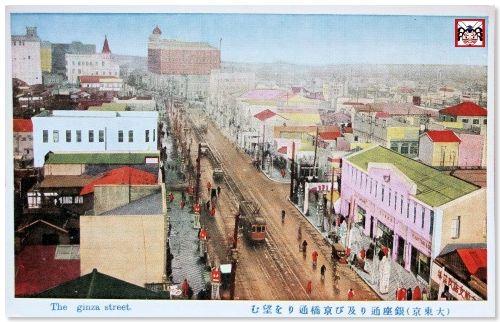 The tall building with the "tongari roof" on the left and the "circular dome" on the right are impressive. This is the first year of the Showa era. The tall building with the "tongari roof" on the left and the "circular dome" on the right are impressive. This is the first year of the Showa era.
We are going to enter the Taisho era in this place. It is a cityscape at the end of the corner around Taisho 14 (1925).
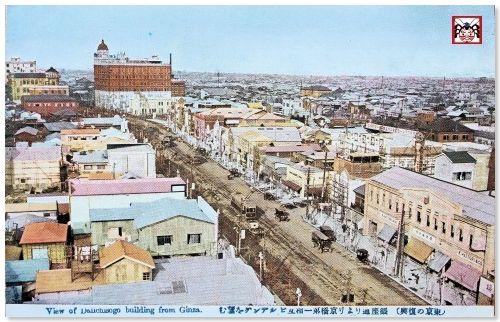 Isn't it? Something has changed. Isn't it? Something has changed.
The Tongari roof has turned into a circular dome. It seems that it was not a Tongari roof in the Taisho era. The town at the end of this corner was the current Kyobashi, and at that time it was the name of Minami Temmacho. The Kyobashi River flows at the corner, and "Kyobashi" should be over it. At this time, only a few years after the earthquake, what kind of development did the city with large buildings develop?
I'll be here this time. Time slip and aerial walk on Ginza Street. How was it? From the next time, I would like to introduce the cityscape of this "end of the corner" in chronological order. It was a prologue of "Kyobashi Monogatari".
(References will be summarized in epilogues.)
|
Links
|