Chuo-ku Tourism Association Official Blog

Chuo-ku Tourism Association correspondent blog

Introduces "seasonal" information of Chuo-ku by sightseeing volunteer members who have passed the Chuo-ku Tourism Association's "Chuo-ku Tourism Certification" and registered as correspondents.

List of Authors

>>About this blog

Recent blog posts

Urikiriya teacup in winter

[Ginzo] January 23, 2019 09:00

 According to the calendar, it is a season called "Daikan". During a walk in Tsukiji, we visited Tsukiji 4-chome, a Japanese-Western tableware specialty store near Kyobashi Post Office, and a yellow building "seller".

Inside the store, there are famous tableware from all over Japan such as Inoguchi in the shape of Mount Fuji, Kutani porcelain and Arita porcelain.

Today, I found a warm colored pottery that warms just by looking at it.

1547913213510 (500x281). jpg

 Immediately, make hot water for shochu at home and hold it with your palm, it feels warm and is completely different from a cup with a usual handle.

The name of the product purchased is "Red Yuzu Tenme Long Cup". In winter, I realized that it was winter tableware. 

The address of the shop is 4-7-2 Tsukiji, Chuo-ku, and the URL is http://urikiriya.co.jp


Books in Chuo-ku

[Minatokko-chan] 09:00 on January 22, 2019

Hello, my name is Minato-chan.

This time, I would like to introduce books published by Chuo-ku. It is available at all libraries, Chuo Ward Kyobashi Library, Nihonbashi Library, and Tsukishima Library.

♪ Cultural assets of Chuo-ku

We introduce many remaining Cultural Heritage in Chuo-ku, which has developed as the center of economic and cultural since the opening of Edo. A total of seven collections. (Chuo-ku Board of Education, Tate 21cm, around 80 pages)
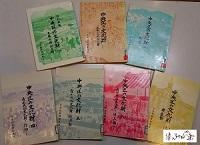
chuohon01m.jpg


(1) Revised new edition Cultural Property Historic Sites, Historic Sites and Monuments in Chuo-ku Published in 1995 

(2) Cultural Properties of Chuo-ku Art, Crafts, ancient document, 1976

(3) Cultural Property Bridge in Chuo-ku, published in 1977

(4) Cultural Property Tangible Folk Cultural Property of Chuo-ku - Faith - published in 1981

(5) Cultural Property Tangible Folk Cultural Property of Chuo-ku - Tools - 1984

(6) Cultural Properties of Chuo-ku Tangible Folk Cultural Properties - Tools 2 - published in 1987

(7) Cultural Properties of Chuo-ku, published in 1988


♪ Talking about the old days of Chuo-ku

This is a compilation of the contents of the cultural property round-table conference "Meetings to Talk about the Old" that has been held every year in various parts of the city since 1984. People born and raised in Chuo-ku, mainly focusing on the state of the town from the early Taisho era, the Great Kanto Earthquake, memories of war, and life at elementary schools, will tell you about old life and changes in the town. . A total of 17 collections. (Chuo-ku Board of Education, Tate 21cm, around 80 pages)
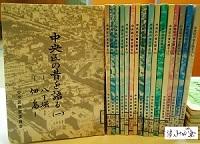
chuohon02m.jpg


(1) Hatchobori and Tsukuda Island, which tells the old days of Chuo-ku, published in 1989

(2) Higashinihombashi, Bakurocho, and Yokoyamacho, who talk about the old days of Chuo-ku, published in 1989

(3) Irifune, Minato, Tsukishima, 1997, telling the old days of Chuo-ku

(4) Kyobashi Yaesu (2) and Kyobashi Daikon Bank, who talk about the old days of Chuo-ku, published in 1991

(5) Published in 1993, Hamacho and Koamicho, who talk about the old days of Chuo-ku

(6) Published in Muromachi, Honmachi, and Shinkawa, telling the old days of Chuo-ku

(7) Akashicho, Tomizawa-cho, which talks about the old days of Chuo-ku Published in Heisei 5

(8) Kofune-cho, which talks about the old days of Chuo-ku, published in Shintomi Heisei 6

(9) Hakozaki-cho and Tsukiji 1975, which talks about the old days of Chuo-ku

(10) Honishi-cho and Hisamatsu-cho, telling the old days of Chuo-ku, published in Heisei 8

(11) Ningyocho, Horidome-cho, which tells the old days of Chuo-ku, published in 1997

(12) Otemmacho and Kakigara-cho, who talk about the old days of Chuo-ku, published in 1998

(13) Kayabacho and Kodemmacho, who talk about the old days of Chuo-ku, published in 1999

(14) Kabuto-cho, Nihonbashi, 1998, telling the old days of Chuo-ku

(5) Yaesu 1-chome, Chushu 2001, telling the old days of Chuo-ku

(16) Kachidoki, Toyoumi-cho, Harumi 14, telling the old days of Chuo-ku

(17) Ginza 16th edition that talks about the old days of Chuo-ku


♪ Chuo-ku Cultural Property Survey Report

This is a record and report based on surveys conducted in depth on each theme in Cultural Heritage, Chuo-ku. A total of five books. (Chuo-ku Board of Education)
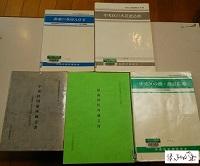
chuohon03m.jpg
(Photos are from left to right in both upper and lower rows)

Chuo-ku Cultural Property Survey Report No. 1

Foreign Residences in Tsukiji - Survey Report on Polava Bungalow, an attached foreign residence of St. Luke International Hospital - 1992 (26 cm, 118 pages)

Chuo-ku Cultural Property Survey Report No. 2

Wooden buildings in Chuo-ku, published in 1993 (30cm, 154 pages)

Chuo-ku Cultural Property Survey Report No. 3

Documents owned by the old family of Chuo-ku - Ozu Shoten, Sasagiin Store, Nakamura House Document - 1995 (26cm, 195 pages)

Chuo-ku Cultural Property Survey Report No. 4

Sugimori Shrine Collection Document published in Heisei 8 (30cm / 208 pages)

Chuo-ku Cultural Property Survey Report Vol. 5

Bridge and Hashizume Square in Chuo-ku - Survey of Modern Bridges in Chuo-ku - 1998 (Tate 30cm, 354 pages)


♪ Walking in Chuo Ward - Visit historic sites and history-

This book introduces the footprints of Cultural Heritage and Chuo-ku in the city, looking at Chuo-ku from the perspective of one year's life, townscape, Civilization and enlightenment, literature, etc. A total of nine collections. (Public Relations Section, Chuo-ku Planning Department, Public Relations Section, Tate 18cm, around 200 pages)
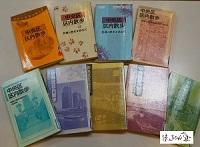
chuohon04m.jpg


Collection 1: Walking in Chuo Ward - Visiting Historic Sites and History - 1988

Collection 2: Walking in Chuo Ward - Visiting Historic Sites and History - 1992

Collection 3: Walking in Chuo Ward - Visiting Historic Sites and History - 1995

Collection 4: Walking in Chuo Ward - Visiting Historic Sites and History - 1998

Collection 5: Walking in Chuo Ward - Visiting Historic Sites and History - 2001

Collection 6: Walking in Chuo Ward - Visiting Historic Sites and History - 2004

Collection 7: Walking in Chuo Ward - Visiting Historic Sites and History - 2007

Collection 8: Walking in Chuo Ward - Visiting Historic Sites and History - 2010

Collection 9: Walking in Chuo Ward - Visiting Historic Sites and History - 2013

※ After applying to the Chuo Ward Kyobashi Library Regional Library, we photographed a book.

Books that allow us to realize how Chuo-ku, which we know now, changes with the changing times, and that there is something that does not change only in Chuo-ku. I would like to use it for city walks and community research.

Chuo-ku Tourism Association correspondent Minato-chan

sign200.png
No. 33 January 18, 2019


Plum flowering

[Sam] 18:00 on January 21, 2019

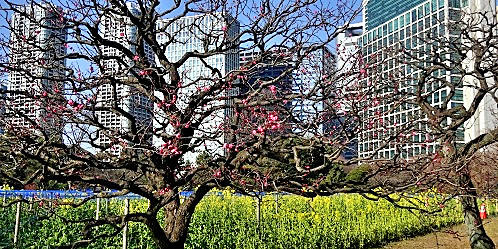
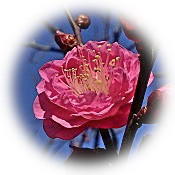
DSC08402ELS'.jpgDSC08407RS'G.jpg On January 21, the Tokyo District Meteorological Observatory reported that one of the Japan Meteorological Agency's biological seasonal observation information, "Plum Flowering".
It is five days earlier than normal and two days later than last year.

The flowering of Bairin at Hamarikyu Onshi Garden has not yet been reported, but the early blooming "Yae Kanko", which is planted between the former Inao Shrine and the flower garden, has begun to bloom.

A dark pink double-flowered middle ring that is considered to be one of the "Noume" varieties that bloom during the cold season.

On this day, the wind from the north blows in the city center, and the temperature at noon is 9.1 ° C, giving a sweet scent in the cold of midwinter, and the dignified flower appearance is impressive.

The flower garden canola flower is covered with nets and is still being cured, but the height has grown considerably, the yellow flower color has become noticeable, shining in the blue sky of the background, and it has begun to be colored with spring-like colors.

It makes you realize that spring is steadily approaching.


The 10th Tourism Examination Problem, Question 52

[CAM] 12:00 on January 20, 2019

If you want to take a sightseeing test for the first time in a long time, purchase the latest version of Monoshiri Encyclopedia and look at the 10th Tourism Examination Problem of the spelled, question. 52 says, "Beside the Chuo-ku government office annex, there is an explanation version showing that there was a clan residence of the Tosa clan in the vicinity of Tsukiji 1-2-chome in the late Edo period. It is said that Sakamoto Ryoma, a warrior of late Tokugawa shogunate, went to the dojo of a swordsman while staying at this residence. Who is this swordsman?" That's right.


 Certainly, on page 69 of the Monoshiri Encyclopedia, it is said that "It is said that Sakamoto Ryoma, the late Tokugawa shogunate's servant, went to Sadakichi Chiba's dojo while boarding this residence." If you remember this part accurately, you can easily get the correct answer, but it would be a little difficult to read so carefully. However, if there are only too easy problems, the high scorers will continue, and you can feel that the contestants are also quite devised.

 As for this, as I posted on November 25, last year, if you read "Ryoma Goes", you will find the right answer very easily.

/archive/2018/11/post-5839.html


 Again, we quote the relevant part of "Ryoma Goes" (Ryotaro Shiba is described as "Sadayoshi Chiba").

 "Ryuma had been moved from Kajibashi's clan residence to Tsukiji's clan residence. Not only Ryoma, but most of the beautiful clansman were moved to two lower mansions in Tsukiji and Shinagawa. This was one of the defenses of the Tosa clan in preparation for the invasion of Edo Bay by Kurofune. While the number of people was stationed in these two seaside mansions, they were building a Daiba in Shinagawa with the permission of the Shogunate. " (One volume of Bunshun Bunko; 169 pages)

 "I'll say, 'I'll call you a beard of a great tree. After all, in order to grow up, it is good to learn Dairyugi. For that, Hokushin Ichito-ryu is good. "Oh, do not play with Shusaku Chiba" ... The Xuanwu-kan in Chiba is said to be one of the three major dojos in Edo, along with Shunzo Momoi on the banks of Kyobashi clams and Yakuro Saito in Kojimachi, and divided the swords of the world. "... It's best to learn from Dr. Shusaku, but since the teacher is already old, it would be nice to be able to use Mr. Sadayoshi, a younger brother who has a dojo in Kyobashi Oke-cho. Dr. Sadayoshi's dojo is called Small Chiba for Otamagaike Pond. "(Bunshun Bunko, Volume 1; Page 18)


Sancun Garden at Kyobashi Library in Chuo City

[Minatokko-chan] January 18, 2019 14:00

sunken03m.JPGHello, my name is Minato-chan.
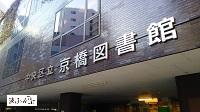
Chuo-ku has three Chuo-ku libraries: Kyobashi Library, Nihonbashi Library, and Tsukishima Library.

Today, I would like to introduce "Sankun Garden" that spreads out in front of the entrance of the Chuo Ward Kyobashi Library.


Sunkun Garden at Chuo Ward Kyobashi Library is a large space with a sense of openness, located one step down from the sidewalk of the car. In this way, a garden that is lower than the ground is called a sunken garden in architectural terms. There are stairs and slopes, so it is convenient to come by bicycle, stroller, wheelchair, etc.

♪ Flowers of Sancun Garden

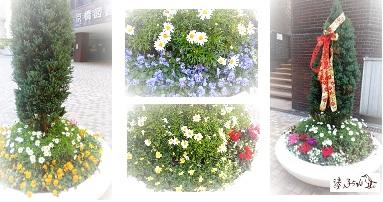
In the Sancun Garden, there are round flower beds. It is always beautifully arranged, and seasonal flowers welcome us gently.

sunken01m.jpg

In each flower bed, a shrub of the cypress family stands as a symbol, and flowers are planted around it.

This season, cyclamen Pansy Suites Aritham Margaret Viola and others are blooming colorfully. During the Christmas season, flower beds are decorated with ribbons to make you feel fun.


sunken04m.jpg♪ Sancun Garden Bulletin Board
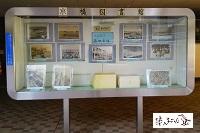
In addition, a bulletin board stands at the Sunkun Garden of Kyobashi Library in Chuo Ward.

Here, various photos are regularly displayed to introduce the history and streets of Chuo-ku.
The "Web Gallery Chuo City Library Collection" on the Chuo City Library website is introduced in paper.

The handmade bulletin board is warm and seems to soften the viewer.

♪ History of Kyobashi Library in Chuo City
The current building of the Chuo Ward Kyobashi Library is integrated with the Chuo-ku Office, designed by Takeo Sato and completed in 1969 (1969).

The history of the Chuo Ward Kyobashi Library is old and dates back to 1910 (1910). It was the beginning of the Tokyo Municipal Kyobashi Simple Library, which was opened at Kyobashi Jijo Elementary School. I moved to my current location in 1929 (1929).

It is one of the best libraries in Tokyo, with many books published before the war and holding valuable materials due to the escape of the war. In addition, the regional reference room has materials related to Chuo-ku, as well as materials from the 23 wards of Tokyo and the Tama area.

As of April 2018, the library has 345,000 books, 253 types of magazines, 8733 CDs and DVDs, 19 newspapers, and 166 seats.

On the way home where you choose your favorite book, be sure to take a look at the flowers of Sancun Garden.

sunkun02m.jpg

Chuo Ward Kyobashi Library, Chuo Ward 1-1-1 Tsukiji, Chuo Ward

※Please note that the library and the ward office are not connected inside.

Chuo-ku Tourism Association correspondent Minato-chan

sign200.png

No. 32 January 16, 2018


Twelve steps - Eto Tsukiji and Billou

[The Little Monkey] 12:00 on January 17, 2019

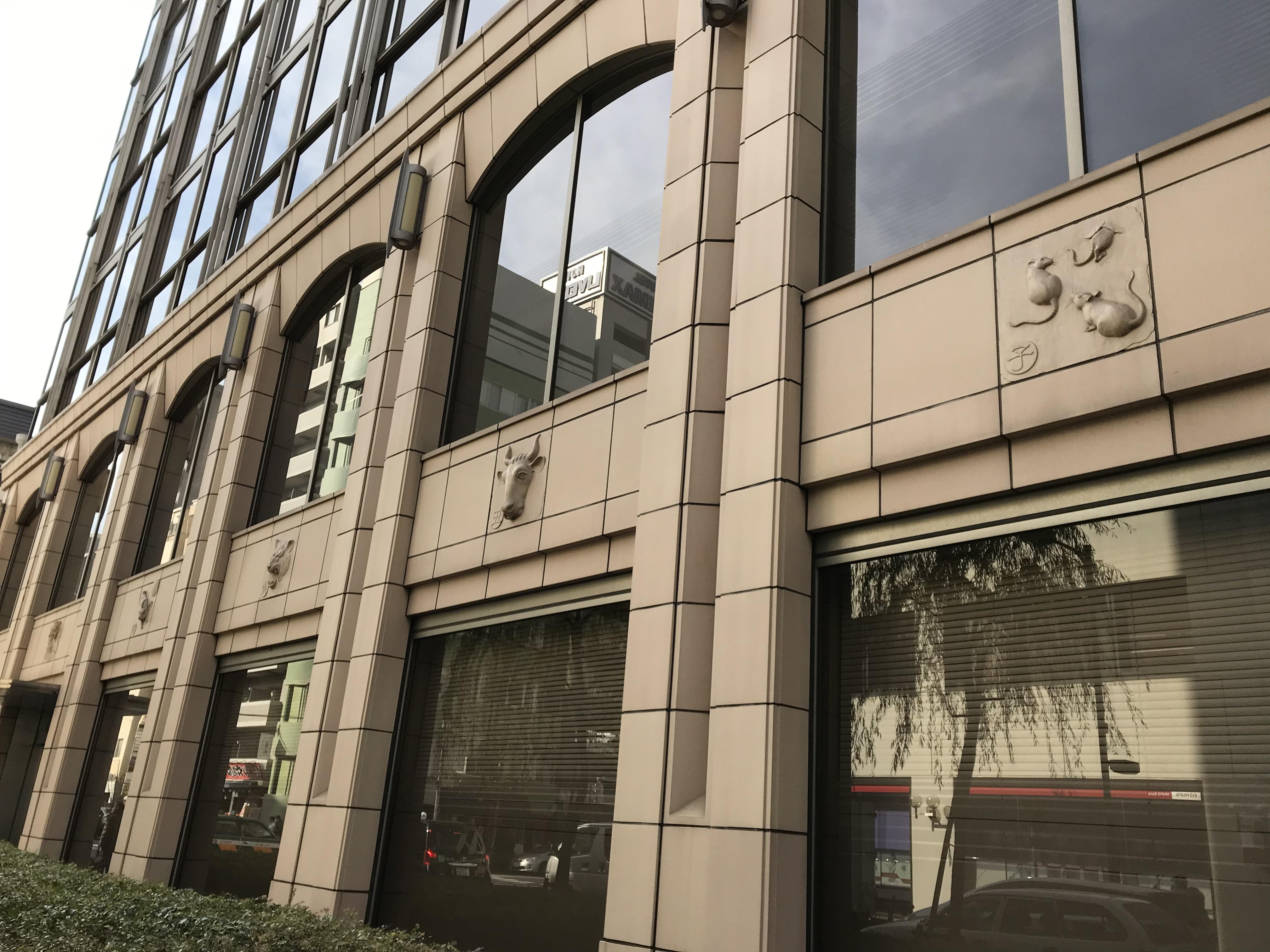
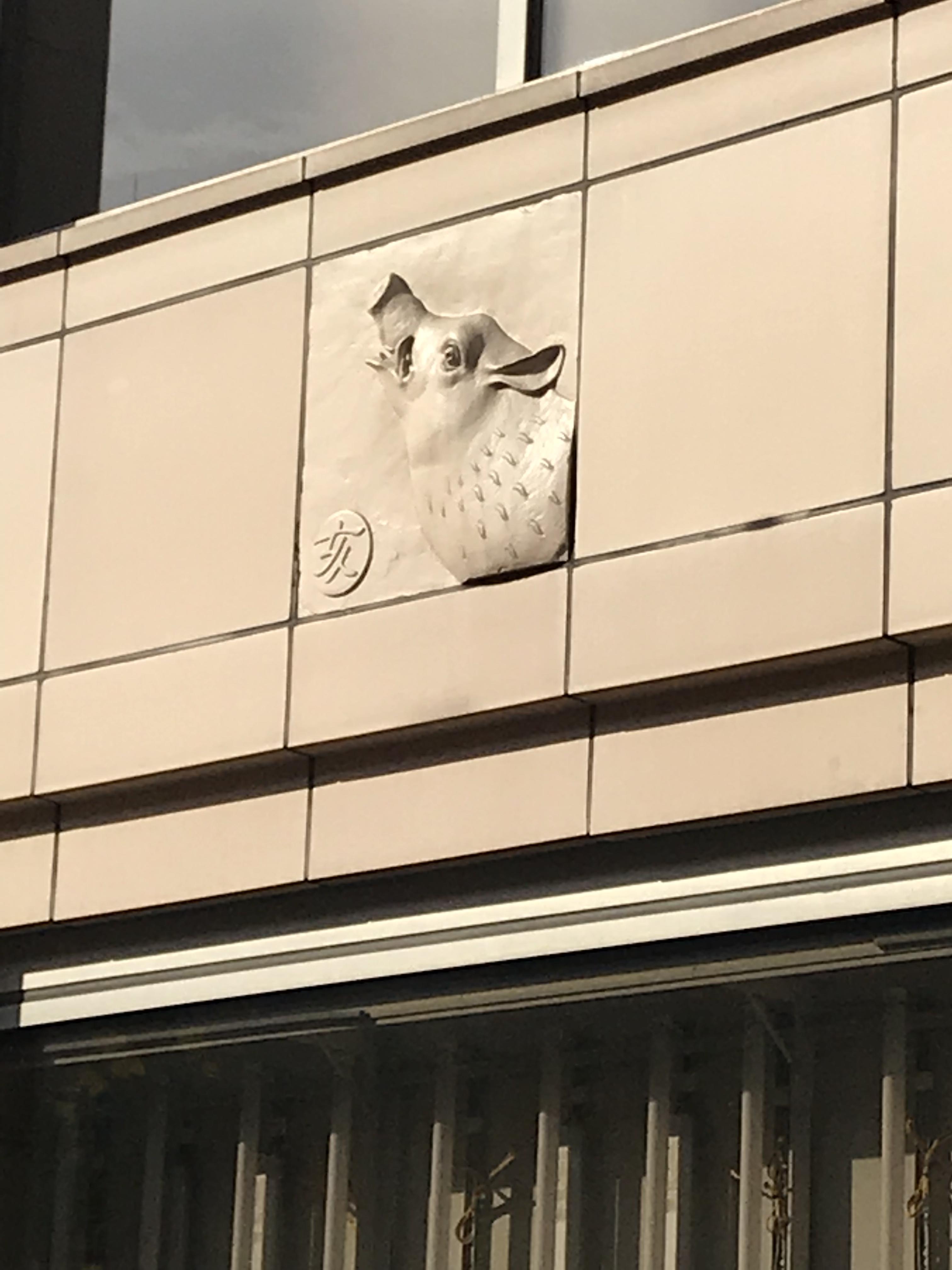
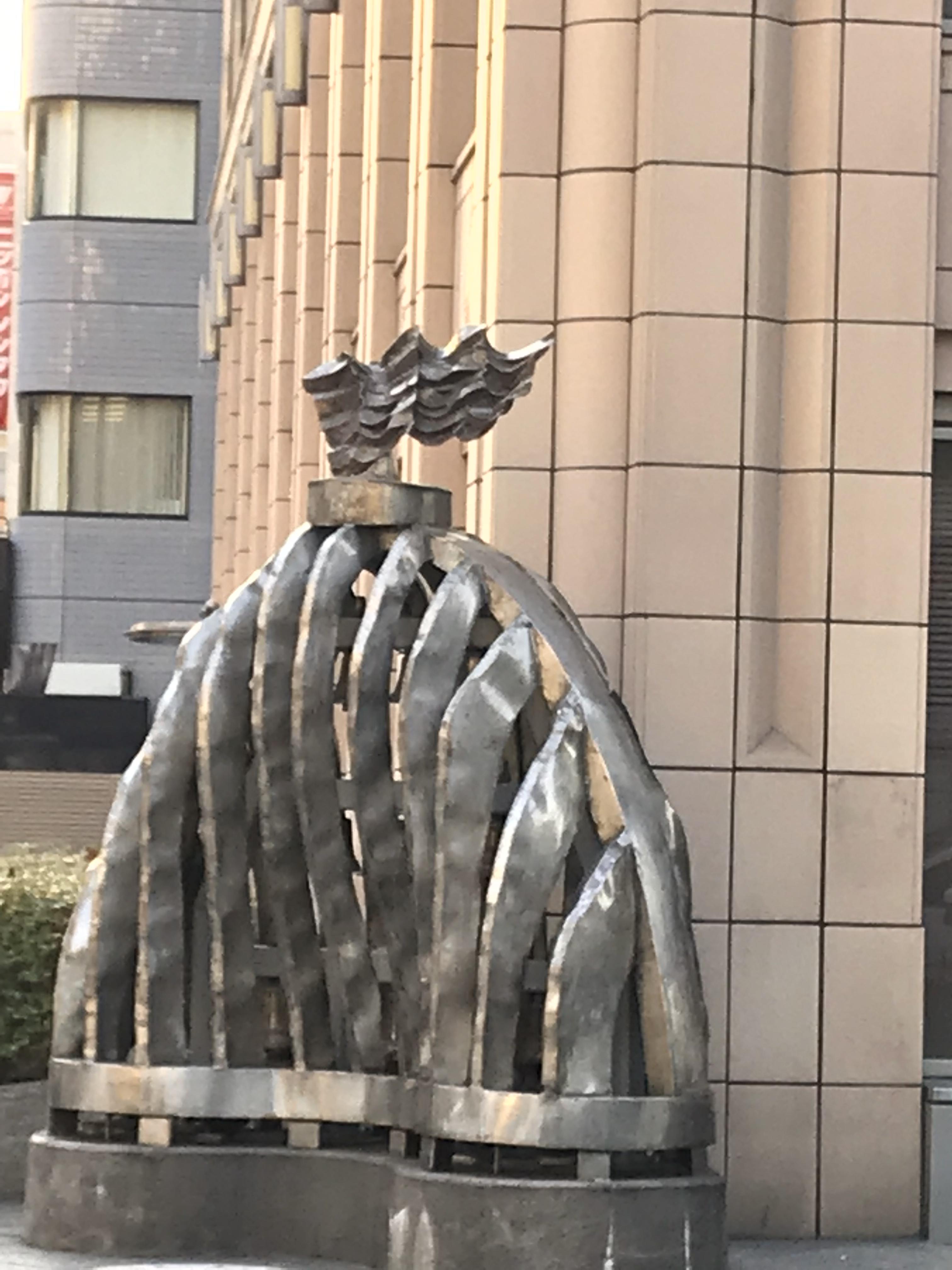
On the opposite side of Kyobashi Tsukiji Elementary School in Tsukiji 1-chome, there is a building with sculptures of Earthly Branches on the wall. Its name is "Tsukiji Eto Building." Completed in 1996 is an office building. The 3rd floor and above are ordinary office buildings, but the 1st and 2nd floors have a classic stone appearance.

Photo 2019-01-08 11 56 52.jpg

At the beginning of the Year of the Pig, I felt lucky this year and prayed for the blog and tour to go well.

Photo 2019-01-08 11 58 20.jpg Photo 2019-01-08 15 23 22 (1) jpg

There is a carillon object at the corner of the building, and it was signaling noon. I'm sure you'll be on a tour guide in Chuo-ku in the future.
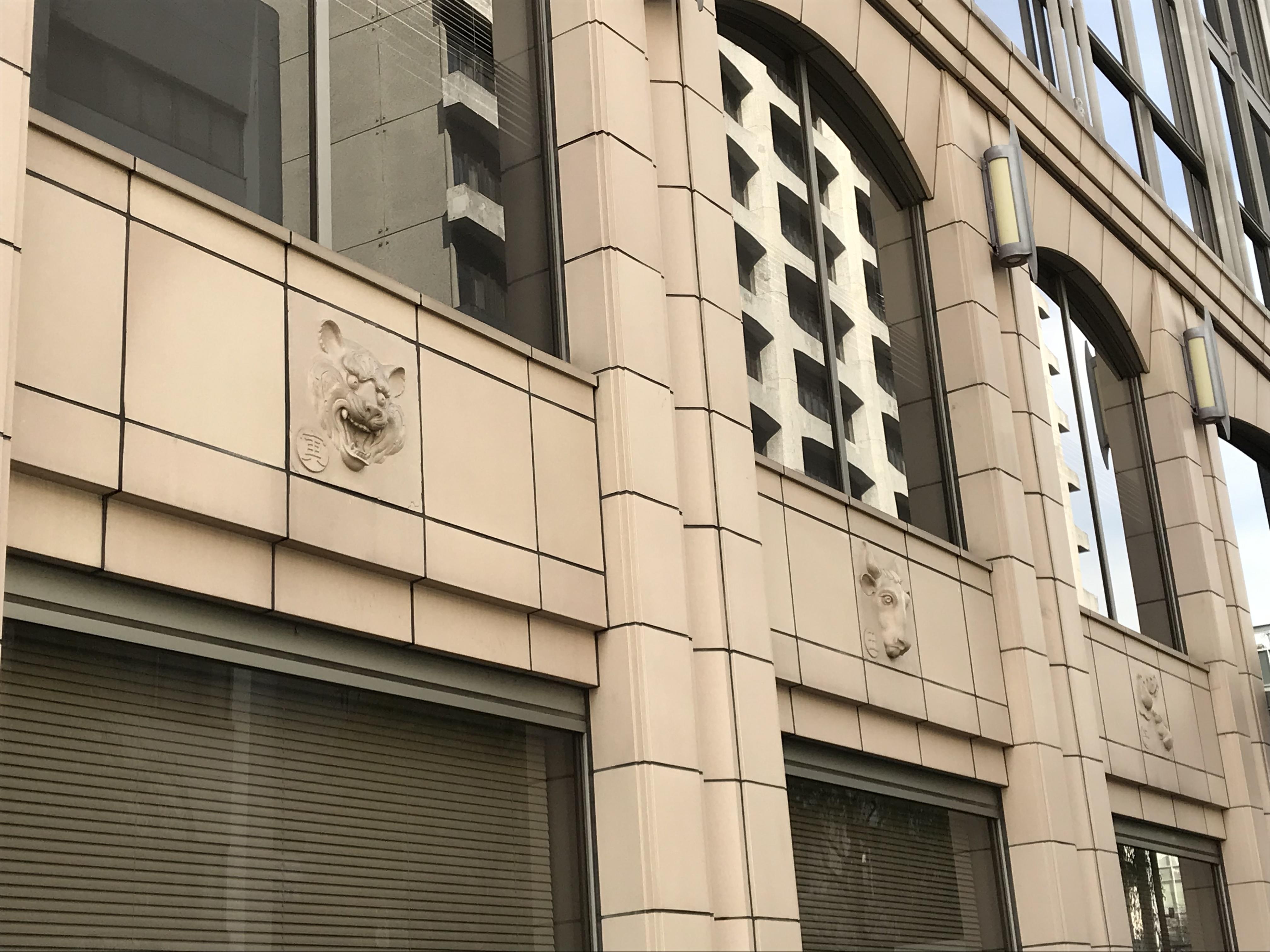
Photo 2019-01-08 11 59 31.jpg Photo 2019-01-08 12 00 10.jpg

Tsukiji Eto Building 1-12-6 Tsukiji, Chuo-ku    

3-minute walk from Exit 2 of Tsukiji Station on the Tokyo Metro Hibiya Line