List of Authors
>>About this blog
Recent blog posts
|
[Hanes]
14:00 on March 5, 2019
Hello. This is a new correspondent, Hanes. 
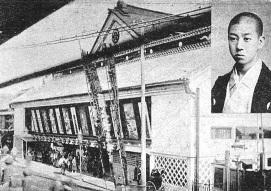
This time, in the final episode of "Chuo-ku Seen by Sidmore", we will talk about Shintomiza.
There is no Shintomiza now, but in the era before Kabukiza was established,
What was the impression of people who came from overseas?
In the first place, was Shintomiza known to such people?...
Such a thing can be read from records left by Sidmore
■The Great Theater in Tokyo, Shintomiza and its surroundings
It may be surprising, but the continuation of "Speaking of the Great Theater in Tokyo"
It is "Shintomiza [Kyobashi (center) ward Shin-Tomicho]".
Then, what was the Shintomi-za and its surroundings, which can be said to be the "Great Theater in Tokyo" from an overseas perspective?
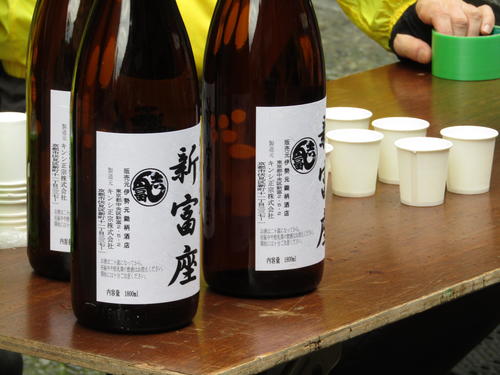
It is a long gabled building with a long frontage, and actors' paintings are lined up at the upper end of the entrance. The street is lined with teahouses and restaurants, suggesting that it is not a short play where visitors go out after dinner and end in about two hours. We organize the viewing team carefully in advance and immerse ourselves in the theater for a whole day. The play usually starts at 11 o'clock in the morning and ends around 8 or 9 o'clock in the evening. After a short period of Hamimise performance, when the appearance of the 1,000 players and the plan of the magnificent stage equipment are known, the spectators will specify the viewing time as appropriate. For high-ranking Japanese, it is quite a bad idea to go to the theater entrance and pay a viewing fee, so such audiences run to the teahouse near the theater at least one day before to arrange tickets for the day, and secure seats through mediation. In other words, the teahouse is a daff shop with a ticket office! At the appropriate time, the party will gather at the teahouse, order lunch and dinner on the day, and the person in charge of the teahouse will guide the guests to the bleachers. There is a service of tea several times a day, and you will come to order "Do you want anything?" during the break time. At dinner, a large lacquered box with plenty of dishes is carried, and the patron sits comfortably and eats. Each seat is equipped with a cigar tray loaded with charcoal fire in a conical shape, and everyone ignites the kissel, smokes the cigarette, and at the same time, puts out the butts. Sometimes this sound matches the stage performance and becomes Oai chanting! ?
From here on, the theater at that time was a one-day entertainment.
There are teahouses and restaurants around the area, and you can see that we were able to have lunch and dinner.
And as you can see from Kunimasa Utagawa's "Shintomizamoto Fushin Inauguration of First Opening Crows of Visitors",
It depicts customers who are eating and listening.
It is the same now and in the past that Kabuki and delicious meals cannot be separated.
■Inside Shintomiza
From the above, I can see how the area around Shintomiza was lively and how the food was procured.
So what was the inside of Shintomiza?
The theater building is a light and thin wooden building, with matt and tatami mats spread everywhere, all of which are similar. Square seats, sloping floors, simple low corridors, and the stage are spreading throughout the hall. Low horizontal trees divide the floor space into basins, and serve as a connecting bridge where customers enter and exit. The audience always sits on the floor of the basin seat, and each seat is six feet [1.8 m] square and is designed for all four people. Looking at the corridor, there is a row of Masu seats on one side, and a few Masu seats toward the stage. At the back of those seats, there is a standby enclosure, and you pay about one or two copper coins per act. This enclosure is called "Tsumbo Yashiki [Makumi Seat]", but the noisy of this customer is so crowded that even the deaf people want to block their ears. Guests entering the theater put a tag on footwear. The shelf is full of hanging clogs, and it is like a decoration in the entrance lobby. Inside the building, there are shops selling fruits, tea, confectionery, cigarettes, toys, kanzashi, star photos, as well as booths, so customers in Masuseki do not have to go out for any shopping outdoors. Moreover, it is a bright and open playhouse with good ventilation, so in winter there is a gap breeze!
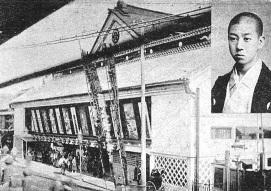
(Source: "Nihon no Meisho" edited by Mitsuyuki Segawa (History Compilation Center, 1900)
While the inside was so lively that it was said, "Noisy and terrible,"
It seemed to be a comfortable space where you can shop indoors
However, from the ironically unique expression, "Because it is a bright and airy open playhouse, the gap wind is a breeze in winter!"
In 1878, chair seats and gas lights were introduced, and foreigners living in Tokyo were invited to the opening ceremony.
At Shintomiza, a representative atmosphere of Civilization and enlightenment, where footlight was later installed,
It can be seen that there were still many challenges in architecture.
■Evaluations from foreigners in Tokyo
As mentioned above, not only Japanese but also foreigners had the opportunity to experience Kabuki.
What kind of impression did they have about Shintomiza and Kabuki?
And how much did you accept it?
According to the column of "Meiji and Taisho in Photos from the Photo Book Held by the National Diet Library-",
Even Thomas McLatch, a U.K. envoy, who was worried that a ronin is wearing a long sword in Japan, will kill it immediately if you see a foreigner."
He was delighted to see a beautiful play in a beautiful theater at the opening ceremony after the reconstruction, and wrote in detail to his mother and friend in his home country.
In July of the same year, Mr. Grant welcomed former President of the United States of America.
The costumes of the geishas who decorate the national flags of both countries on the stage and dance at the finale, as shown in the entrance and the front, are
"In a kimono with a red and white horizontal line, underneath it is dressed as a juban with white stars dyed on an indigo ground.
It seems that he planned a gorgeous production that resembles a star-line flag, which can be said to be somewhat strange."
Apparently, unlike the traditional Kabuki that we imagine today,
The show seemed surprisingly flexible.
Also, Kabuki actors are from foreign families who lived in foreign settlements.
Sidmore writes that he was sometimes invited to a tea party.
A few days later, it appeared in the Japanese English-language newspaper, which claims to be a British daily newspaper,
Because there was also a list of attendees like a mountain,
It can be seen by foreigners at that time that Kabuki was accepted as entertainment and feast.
In this way, by looking at Japan at the time from an overseas perspective,
Do you have new discoveries and learnings?
It is expected that the number of tourists visiting Japan will increase for the Tokyo 2020 Games.
“If I were in their position....It is also becoming important to review Japanese culture and customs from the viewpoint of ""!
In addition to Sidmore, there are many overseas people who recorded the state of Chuo-ku in Meiji period.
When you have time, why don't you pick up their books and "discover" "New Chuo-ku"?
[References and Websites]
Eliza R. Shidmore (Author) / Katsuhisa Tonosaki (Translation) "Shidmore Nihon Journey" (Kodansha, 2002)
Meiji period's Theatre and Theater (1) Shintomiza/Kanya Morita's European heat
Japan Arts and Culture Promotion Association "Cultural Digital Library - Shintomiza"
Japan Arts and Culture Promotion Association "Cultural Digital Library - Shintomizamoto Fushin completed night theater crowd map"
[Related Articles]
"Chuo-ku seen by Sidmore (1) eel crosses the times and borders"
"What is an unexpected excavation that is unrelated to the change of the times in Chuo-ku (2) as seen by Sidmore?"
[JRT felt]
12:00 on March 5, 2019
It has been raining for the first time in a long time in Tokyo, where Karakara has been dry all the time.
The temperature drops and I want to eat something warm!
Shall I have ramen? Yes, I want to think about my body and eat vegetables....
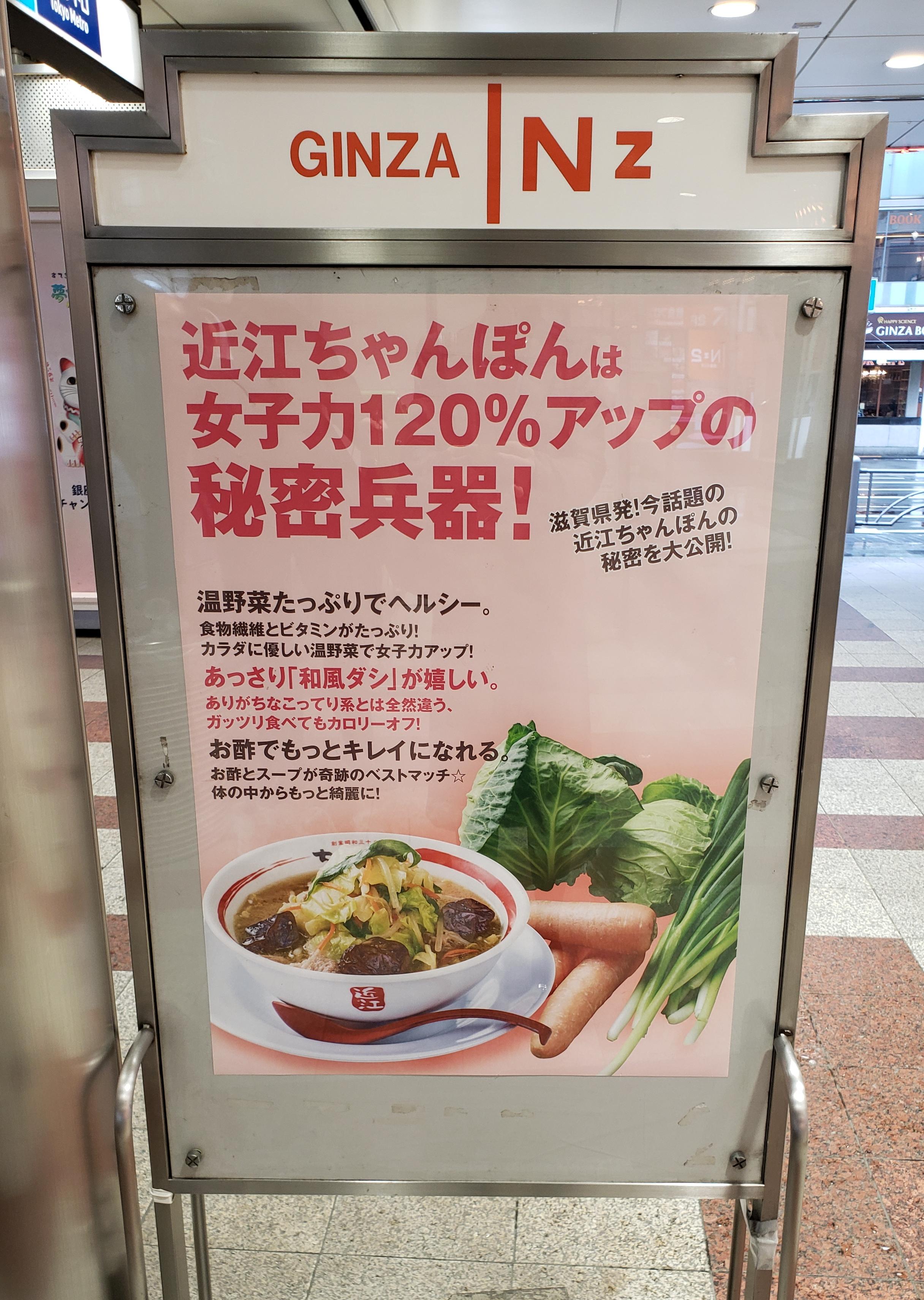
While thinking, I passed in front of the Inns along Sotobori-dori St. (Nishi-Ginza-dori), and a signboard jumped into my eyes.
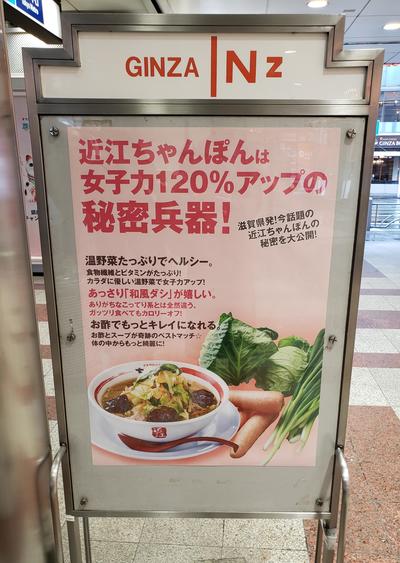
Is it warm enough to eat vegetables and improve women's strength? I have to try this! So go straight to the shop!
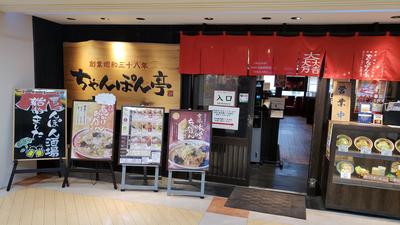
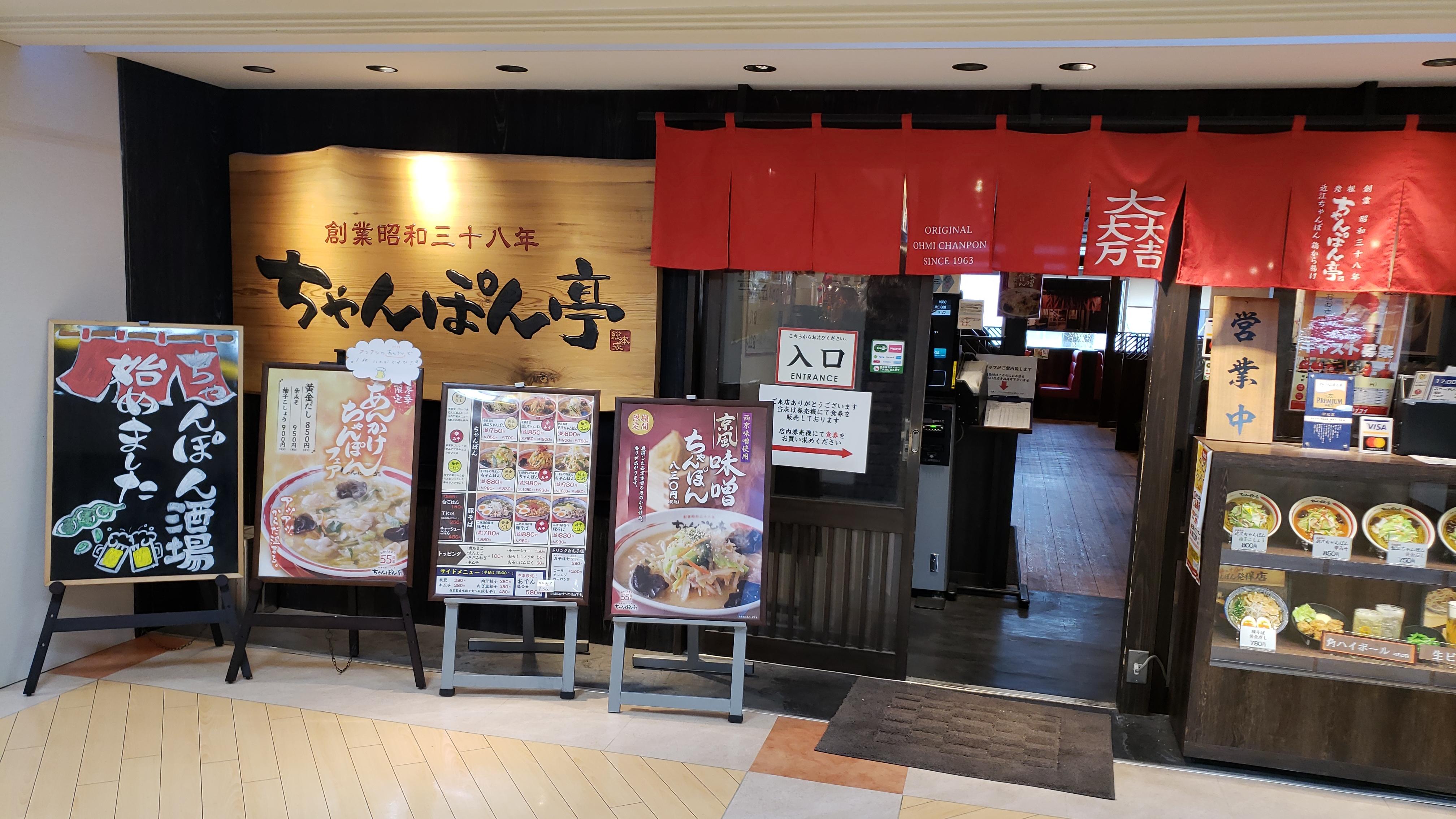
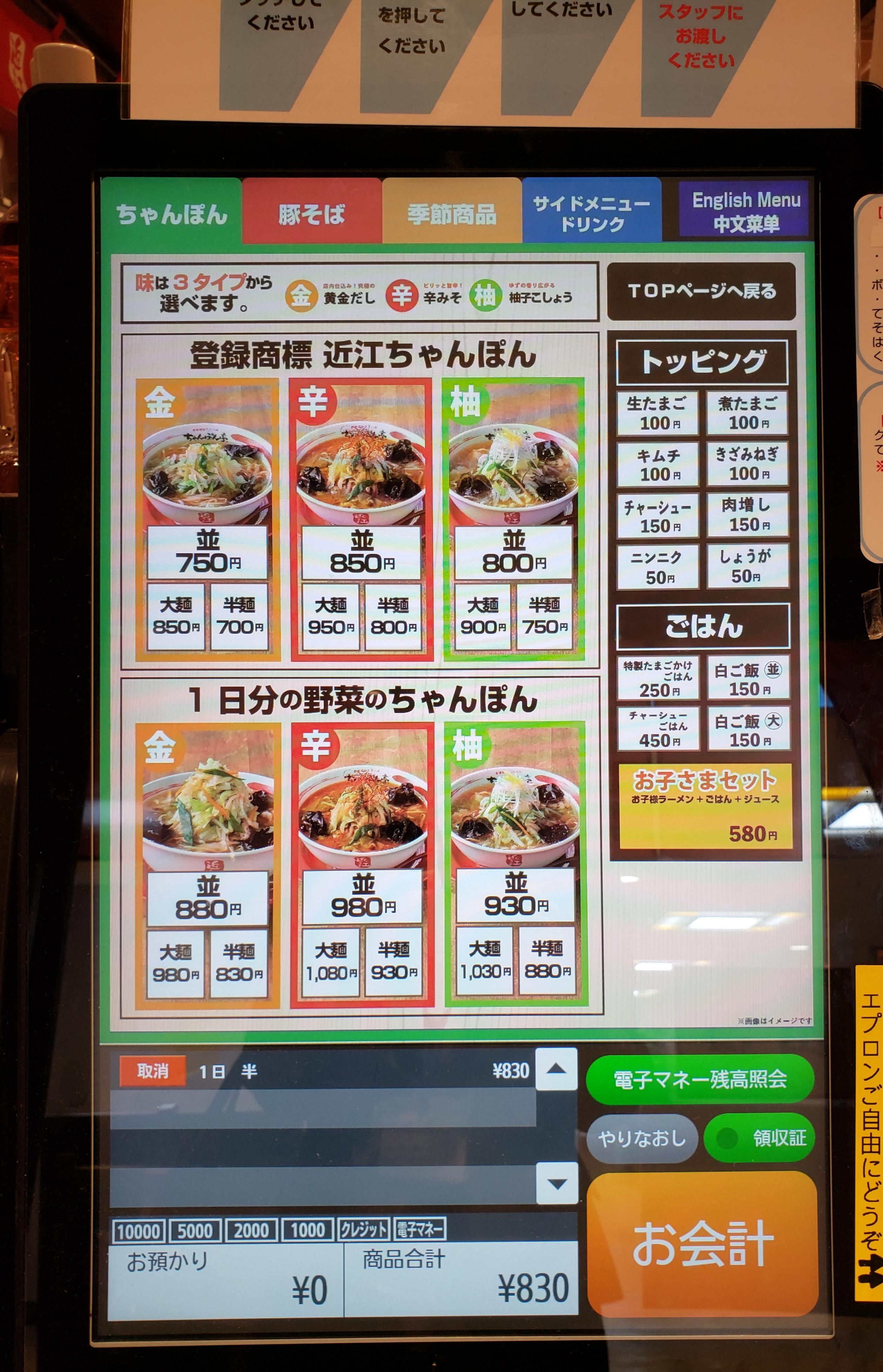
This shop is a system where you can buy a meal ticket at a ticket vending machine after entering the store and then sit down.
This time, I ordered a few noodles of "Vegetable Plenty Champon". It's 830 yen.
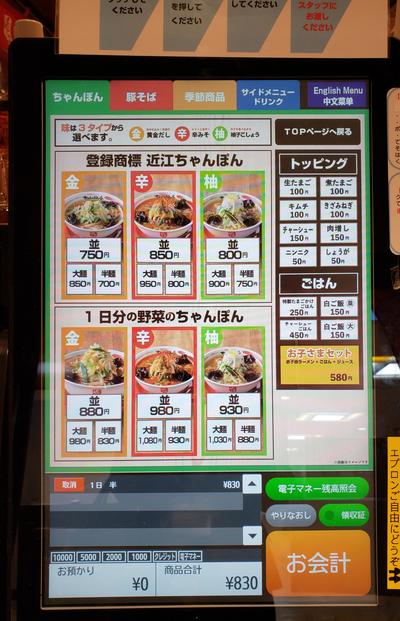
When I went to the back of the store with a meal ticket, the clerk guided me to the seat, "Please come here."
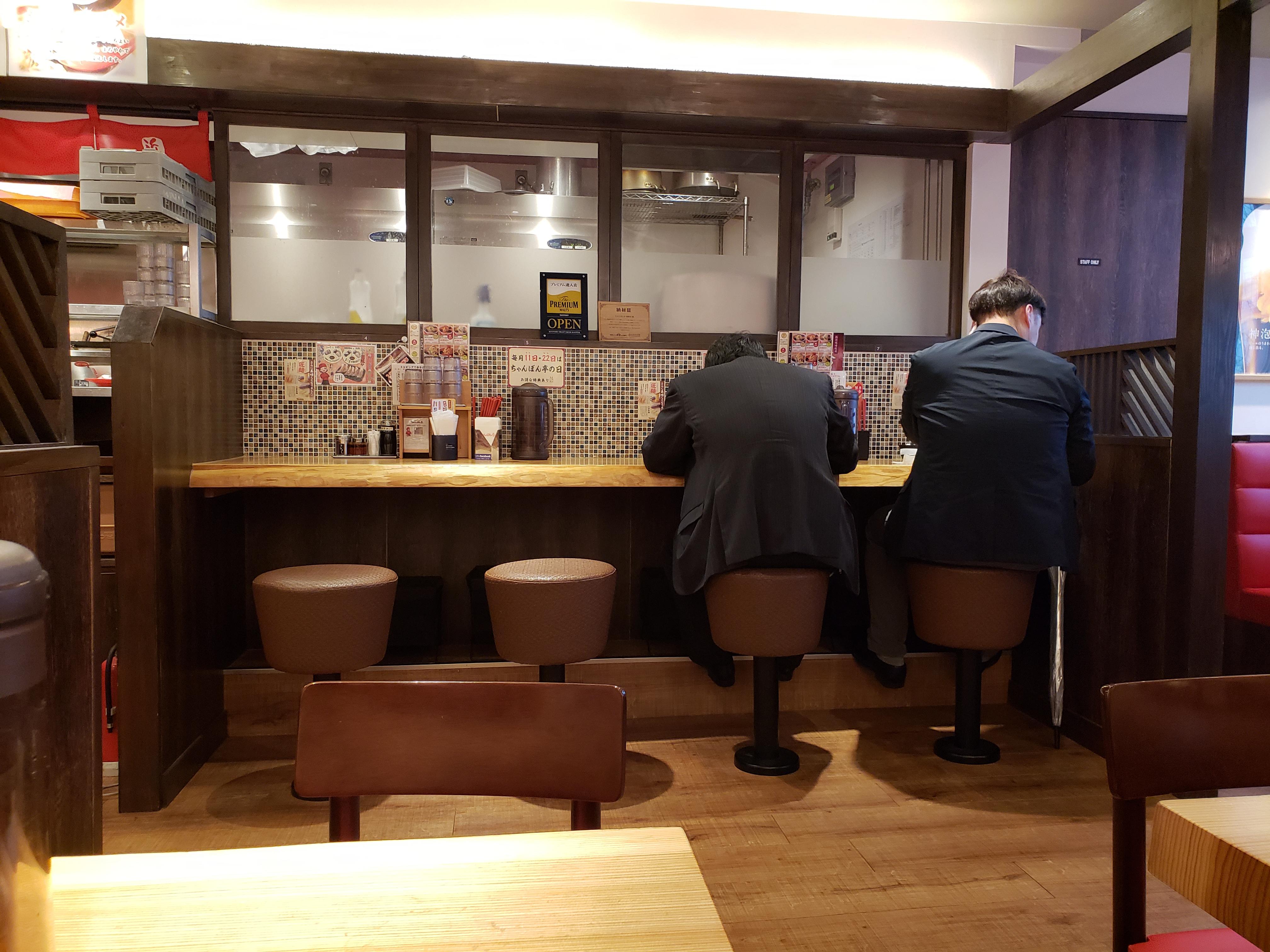
The inside of the store seemed to be able to seat about 30 people, such as counters and table seats, and it was quite spacious and open.
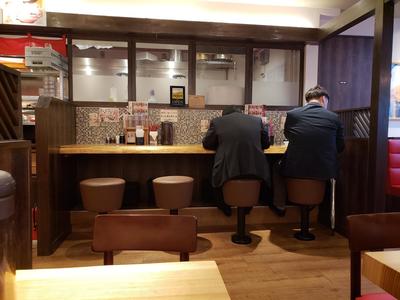

This is an Omi-chanpon specialty store that originated in Hikone, Shiga Prefecture in 1963!
I would like you to eat carefully cooked golden soup and locally harvested vegetables.
It is the soul food of Shiga, born from the thought of it.
I have been transported a little while waiting!
There are plenty of vegetables (cabbage, green onions, carrots, sprouts) and meat. I ordered a small amount of noodles, but it was enough.
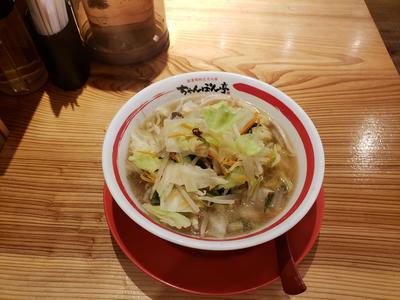
According to the information of the shop, the soup is based on "golden dashi", which is carefully boiled in six types of fishbushi and kelp in the Ohagama in the store, and uses not only vegetables but also domestic products such as Shiga Prefecture.
The specialty of the shop "Golden Dashi" is delicious with the umami of seafood!
I love to eat Champon with "Vinegar", and I had plenty of it this time.
The noodles are popular whole grains (wheat skin) from women who are sensitive to beauty and health.
It seems that it is blended, surely there is no falsehood on the sign for improving women's power (laughs)
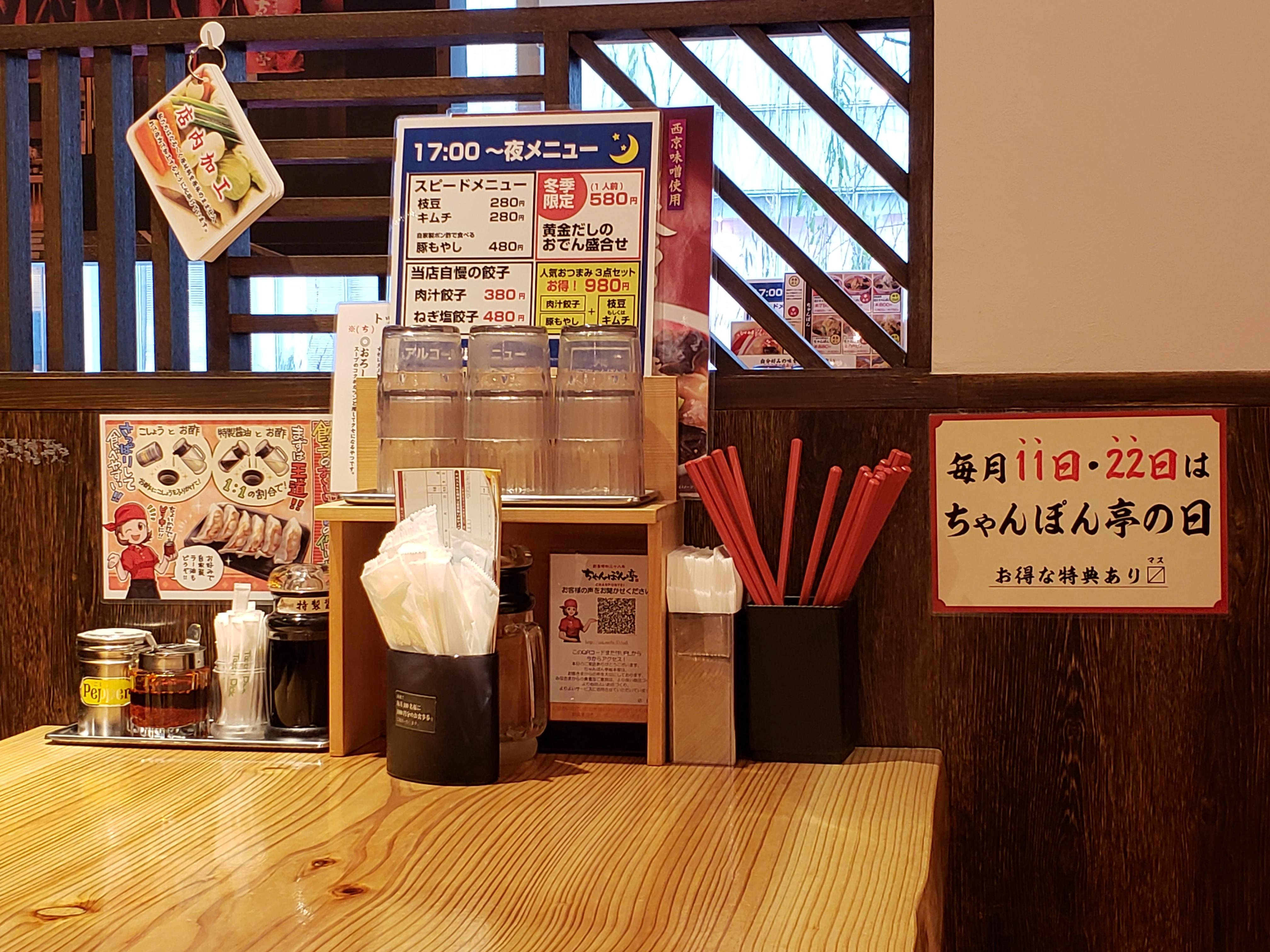
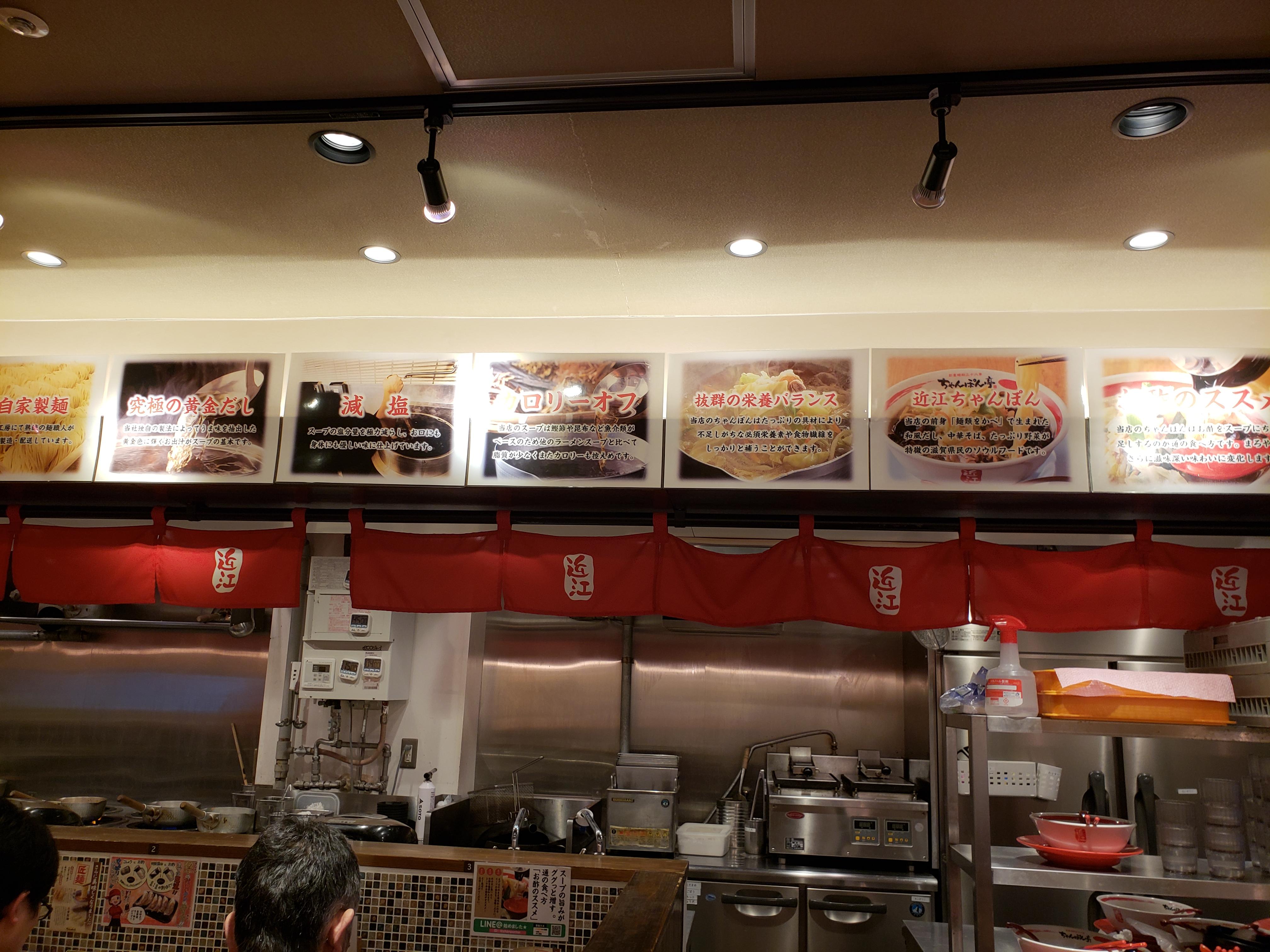
In the store, various information about Omi Champon and the shop was posted.
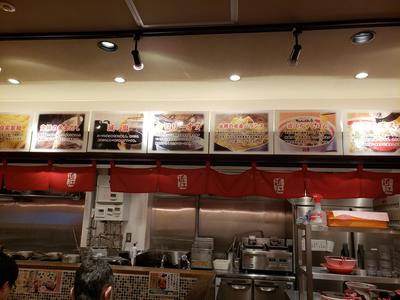
I thought Champon was suitable for men like ramen, but I was convinced that there were many female customers.
I want to eat noodles! But ramen is perfect for women who are not good at it.
~ About the shop~
Place 2nd floor, Ginza Nishi 2-chome 2-2 Ginza Inns, Chuo-ku
Open from 11:00 to 23:00 (holiday)
http://chanpontei.com
[rosemary sea]
09:00 on March 5, 2019
Rosemary sea is a formally covering "gifts, and enjoy yourself."
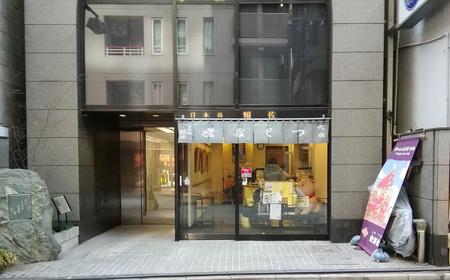
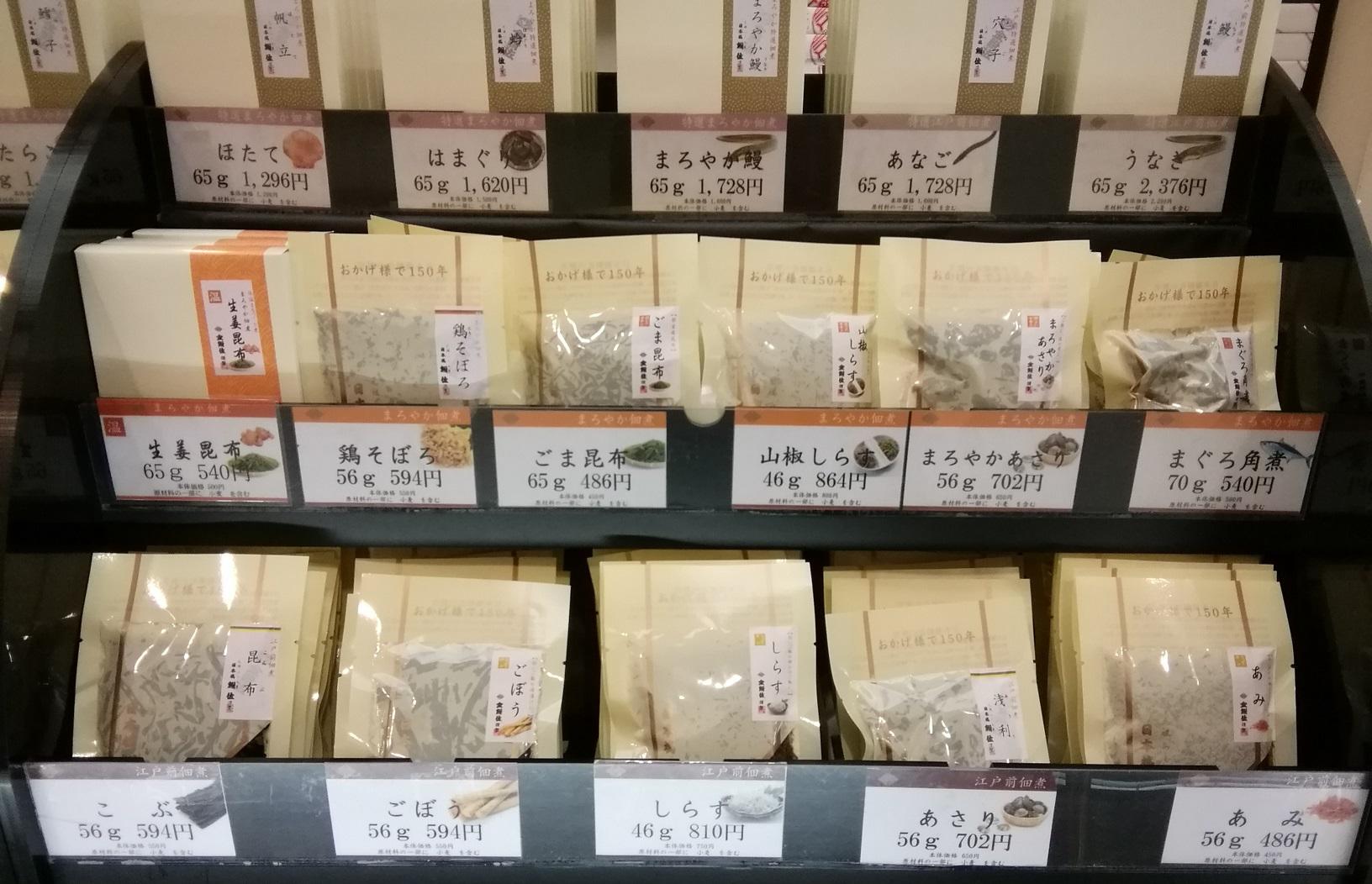
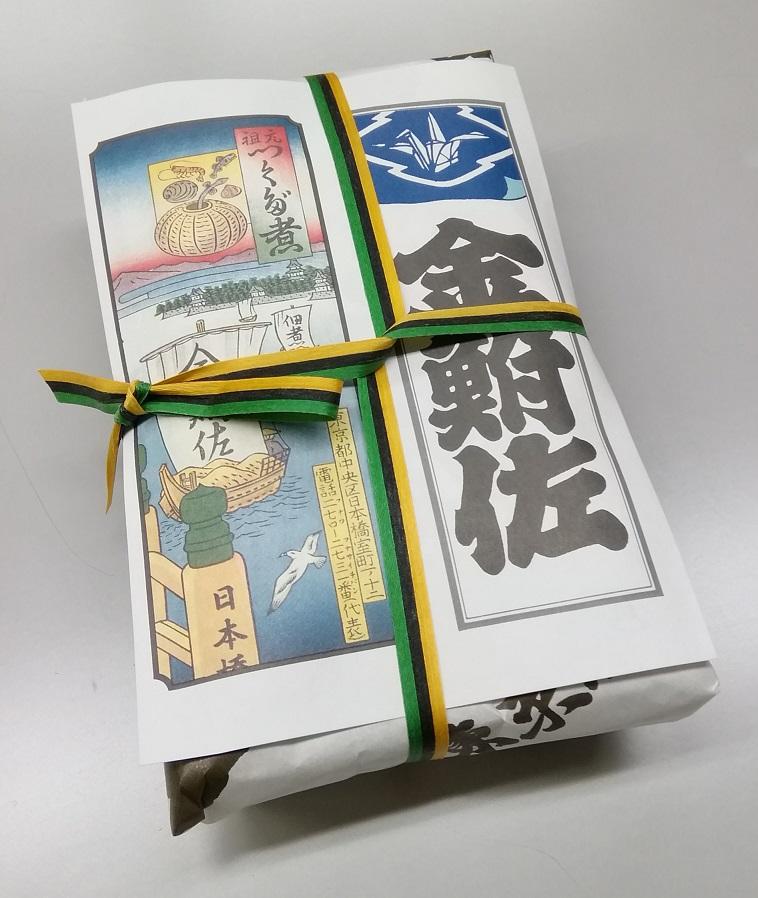
The other day, I introduced the products of the long-established Tsukudani store, Funasa Nihonbashi.
The previous article is here.
⇒ /archive/2019/02/post-6101.html
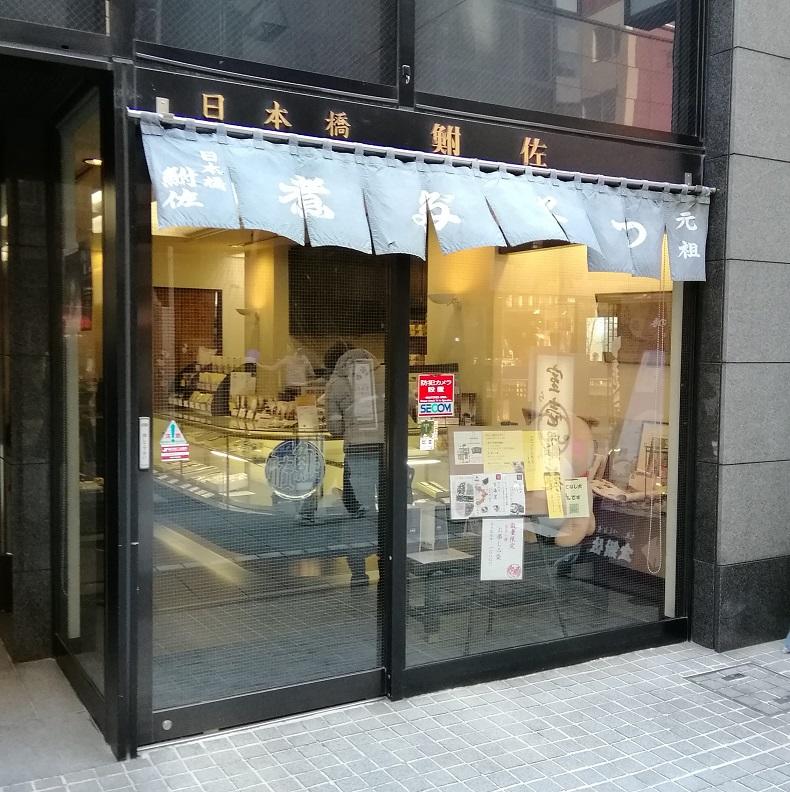
This time, I would like to talk about the history and origin of Mr. Funasa Nihonbashi.
I was taken care of by Yu Miyauchi, General Manager, Nihonbashi Funasa Co., Ltd.
Then...
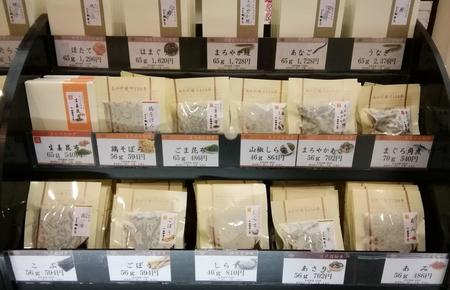
Funasa Nihonbashi was founded in 1862 (Bunkyu 2), at the end of the Edo period.
The first Sakichi was originally a samurai. He was a master of the Hokushin-ichito-ryu school and a licensed uniden.
My hobby fishing was high, and I sold the caught small crucian carp as "Funasuzumeyaki" with soy sauce attached.
One day I got out of a fishing boat and was getting timed. It was Tsukuda Island.
So I got a hint that a local fisherman cooked small fish into salt, and boiled and sold small fish. It is said that soy sauce boiled at this time created the prototype of today's Tsukudani.
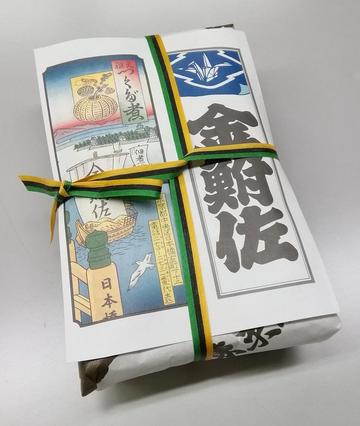
Tsukudani came to attract attention in the battle between Nisshin and Russo.
Tsukudani, which had high preservation properties, is said to be a wartime meal, so that soldiers after returning to Japan can buy Tsukudani.
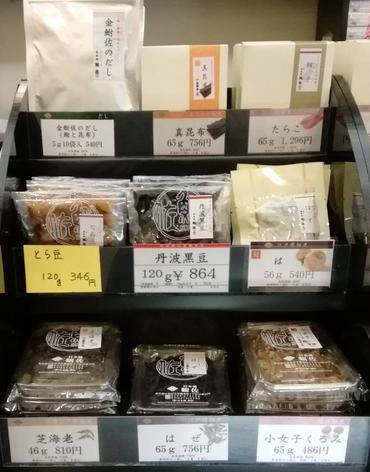
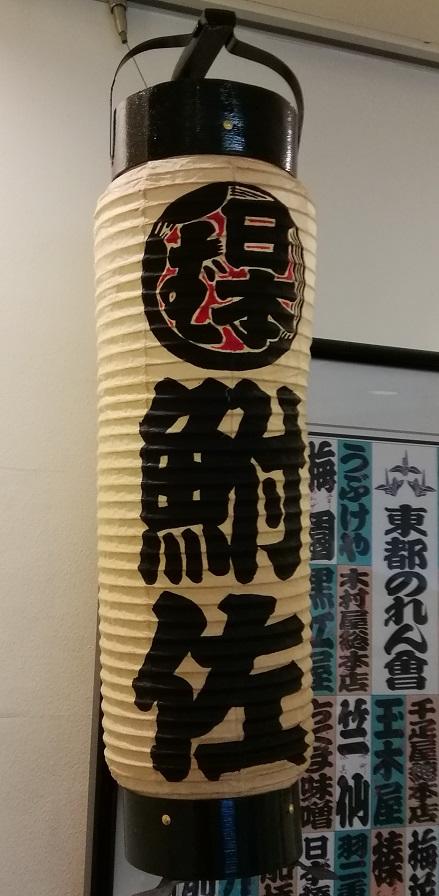
The name of the shop is "Sakichi of Funaya", and the name is from there, but "Kinfunasa Tsukudani" is registered as a trademark.
It is derived from the memorial that Kanemori Ono (Kanemori), the third generation, made further efforts to the taste of the secrets inherited, and produced Edo's specialty Tsukudani.
Funasa Nihonbashi, who has a reputation from Edo's food, Ryuhei Miyauchi, now the fourth generation, and Yu Miyauchi, the fifth generation, are creating products such as Tsukudani by themselves.
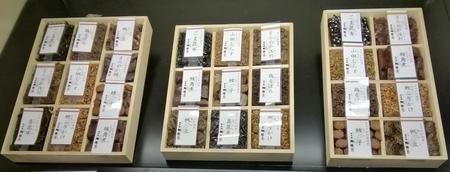
By the way, I used to quote Mr. Funasa Nihonbashi in the article of Rosmari before.
It is "I talk about the history of Mr. Shigeru Kami" uploaded on March 9, 2017.
At that time, Mr. Kamo and Mr. Inoue's talk. ・・・
"When actor Masanobu Katsumura went around Nihonbashi on the TBS program "Pantankokan Kan" broadcast in August 2012, my mother also went out with the shop.
I was a craftsman of Katsumura's father, Funasa of Tsukudani. ・・・』
・・Yes, Mr. Katsumura's father was the manufacturing manager of Funasa Nihonbashi.
It is a diagonally opposite across the road with Kamimo Nihonbashi and Funasa, a long-established Kamaboko store.
Both of them are members of the Toto Norenkai.
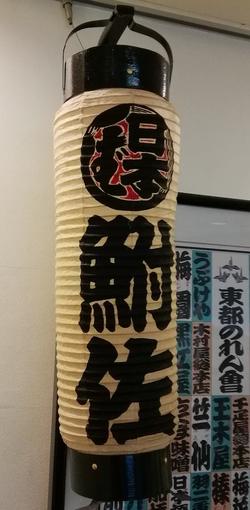
Toto norenkai is ...
A gathering of old goodwill shops that have been in the same business for three generations in Edo and Tokyo for more than 100 years, and are still thriving today.
There are more than 50 members, and in Rosmari articles, Eitaro Sohonpo, Kuroeya, Senbikiya Sohonten, and Haibara (in no particular order) appear.
In addition, Nihonbashi Benmatsu Sohonten, who will write articles in the future, is also a member.
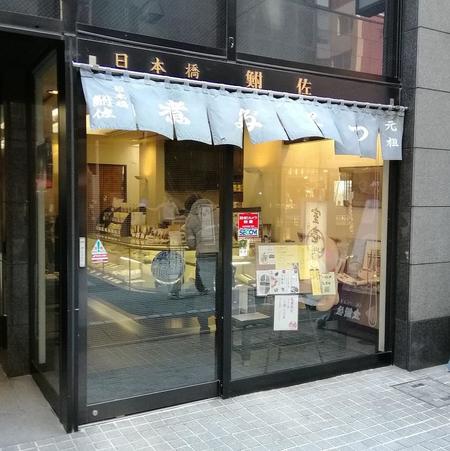
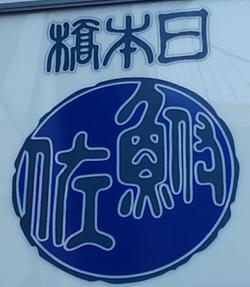 Nihonbashi Funa Samoto Store Nihonbashi Funa Samoto Store
1-12-13, Nihonbashimuromachi
It is a 3-minute walk from Mitsukoshimae Station Exit A4 on the Tokyo Metro Ginza Line and Hanzomon Line.
03-3270-2735
Opening Hours From Monday to Sat 10:00 to 18:00
Holidays 11:00 to 16:00
Closed Sunday (Open on Sunday in December)
Nihonbashi Mitsukoshi Branch
1-4-1 Nihonbashi Muromachi Mitsukoshi Nihonbashi Main Store
03-3241-3311 (Major Representative)
Business hours and regular holidays According to department stores.
Click here for the homepage of Funasa Nihonbashi
⇒ http://www.ganso-tsukudani.com
[Koedo Itabashi]
18:00 on March 4, 2019
"What's going on in Ginza now?"
"Yes, as always, there are many inbound people.
Brands from all over the world are gathering, and it looks like an international city."
"I have time, but I won't go."
"Hey, now Ginza.
It's hard for people who know many famous Ginza stores.
I didn't have a chance to come for a while.
Start from the 4-chome intersection.
This is a guts point where people who come to Tokyo renew their determination, "Okay, I'll do my best in Tokyo."
The 30-year land price announced by the NTA in July last year was 44.32 million yen per square meter of Ginza Chuo-dori. It is over 100 million yen in tsubo.
This is the highest ever, and this position of Hatoi Domae has been the highest in Japan for 33 consecutive years.
When arranged on the floor, the thickness of the 10,000 yen bill will be how many centimeters, I think about the difficulty of paying inheritance tax while each person.
Tokyo Hatoido Ginza Main Store. It's a long-established stationery store.
Fresh fragrance of incense and incense stick welcomes visitors.
Seasonal scent of plums and cherry blossoms, aroma of coffee.
The smell can be trapped once and taken out again.
Brushes, ink, and Japanese paper crafts. I am also interested and pleased with overseas people.
"I thought it was a cookie or a sable confectionery shop." There were some people.
GINZA SIX is one of the largest commercial facilities in the region, opened on April 20, 2017.
At the opening, the duet of Ringo Shiina and Tortoise Matsumoto performed a gorgeous "main street".
It's interesting to go around the shop, but let's go up to the rooftop.
The roof garden. While you are in the middle of Ginza, the large sky is spreading.
If you walk along the corridor, you will see Skytree in Tokyo Tower.
Above all, the Ginza 4-chome intersection. You can look down at the point where you were before.
Is that land a billion yen?
You can also visit Kakugo Inari Shrine from the Ginza Matsuzakaya period on the rooftop.
As a god of fire protection.
Walk along Chuo-dori toward Ginza 7-chome intersection.
Turn right west at the corner of Shiseido Building and enter Hanatsubaki-dori Street.
If you go along the northern sidewalk, you will see the stone pillar of "Fengiwa Inari Shrine" which is likely to be overlooked.
Yes, there is an alley where you can't see ahead.
Let's go into the alley.
There are places where your feet are leaning, so be careful.
On the left side of the crank, a small red painted shrine hall appears.
Fengiwa Inari Shrine is situated in the alley.
The dimness around you excites the atmosphere.
Kabuki's Hazaemon Ichikawa visited the shrine, and many people involved in performing arts came to visit.
It is a shrine that benefits from fire prevention and marriage.
Well, let's go down the alley ahead.
That's a dead end.
No, no, go straight ahead.
Let's go through the wonder zone of Ginza, which is sometimes featured on TV.
This course was well received by regulars of Ginza shopping.
This is probably because the sense of seeing Ginza three-dimensionally is linked to unexpected discoveries.
[Sam]
14:00 on March 4, 2019
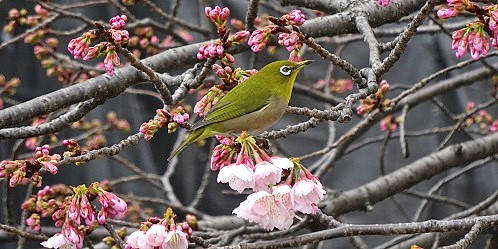 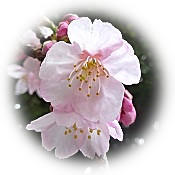 The early blooming "Okanzakura" (Okanzakura) on the Sumida River Terrace on the south side of Eitai Bridge west has reached its flowering. The early blooming "Okanzakura" (Okanzakura) on the Sumida River Terrace on the south side of Eitai Bridge west has reached its flowering.
Okangakura is said to be a hybrid between Kanhizakura and oshima cherry. The tree height is about 5 to 10 meters, the tree shape is large, the light red petals are round and large, and there are many fine cuts at the tip.
One of the leading cherry blossoms in early spring, also known as "Angyo Kanzakura" because it spread throughout the country from a log in Angyo in Kawaguchi City, Saitama Prefecture.
Immediately, Japanese white-eye and brown-eared bulbul came to smoke nectar.
Along with "Kawazu Sakura" at the northeast side of Shinkawa Park Sumida River Terrace Chuo-ohashi Bridge, you will experience a little earlier spring.
[The Minnie Cricket]
12:00 on March 4, 2019
This is "Tsuruhashi Kichin", an okonomiyaki shop in Osaka that I have introduced on this blog before.
It is located on the first basement floor of Tokyo Square Garden at Kyobashi 3-chome.
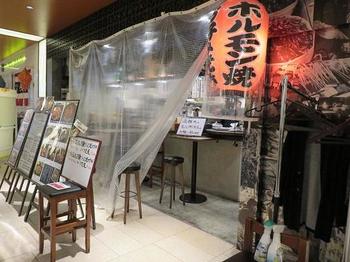
Today, I ordered "mixed egg set meal" of okonomiyaki set
You can choose from salad, white rice, and side dishes.
I chose a side dish
Okonomiyaki is fluffy, crispy and safe.
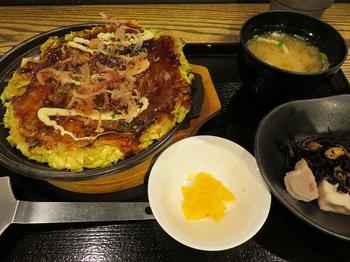
The okonomiyaki set is also rich in variations such as pork balls, beef sushi balls, mochi cheese balls, etc.
In the lunch menu, there are plenty of steak dishes , such as domestic beef steak bowl, domestic beef steak bowl set meal, domestic beef grated steak set meal, domestic beef grated steak set meal, domestic beef grated hamburger set meal, domestic beef teriyaki hamburger set meal, etc , such as domestic beef steak bowl, domestic beef steak bowl set meal, domestic beef grated steak set meal, domestic beef grated steak set meal, domestic beef grated hamburger set meal, domestic beef teriyaki hamburger set meal, etc . .
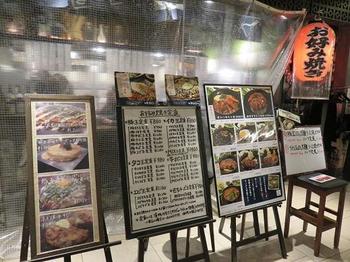
Lunch time starts at 11:30.
The regular holiday is Sunday.

|
Links
|