Hello. This is a new correspondent, Hanes!
Do you know what day March 12th is?
It seems that there is "Purse Day" in terms of word matching, but another thing that should not be forgotten is "Sweets Day".
I like cream puff the most among cream-based sweets,
This time, I tried to compare some cream puffs that can be purchased in the city

■Sucre-rie
As our senior correspondent rosemary sea and whatever introduced us,
There is a very popular cream puff that is "Necessary in line" and "Sold out" here.
The location is near Nihonbashi Elementary School (part of the site of the Saigo Takamori mansion).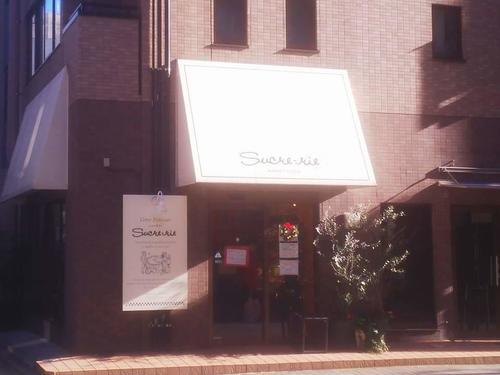
At the time of the visit, Christmas was near, so there were about 20 people lined up before the opening.
Cream cream puffs are offered multiple times in a day,
The number is limited, such as 70 or 100 each time.
That's why I was asked about the number of cream puffs orders while they were lined up.
Because I heard rumors that this cream puff was a point,
I'm looking forward to it while thinking it's rare, and here's where I could buy it safely after a while!
Elegant sesame condition that is not too sesame while leaving a sesame feeling
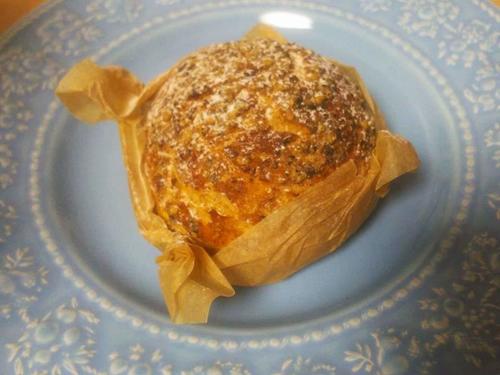
As you can imagine from the look, it is a crispy fabric.
And what matters....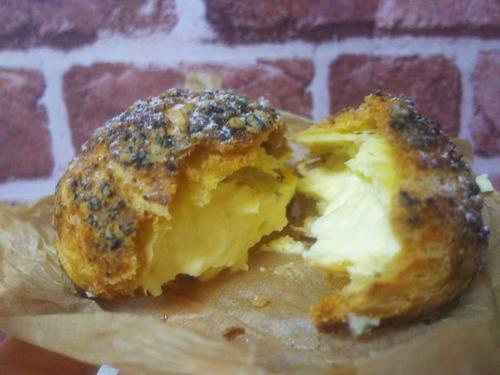
It is packed with smooth cream with less sweetness.
I felt that the impression of vanilla was stronger than custard.
I don't care about the uniqueness of sesame, so it can be recommended as a souvenir of Nihonbashi.
Address: Gen 1F, St. Haym Ningyocho, 1-5-5 Nihonbashi Ningyocho, Chuo-ku, Tokyo
Business hours Monday to Saturday from 9:30 to 19:00
Regular holiday: Sunday
Official Website: http://sucre-rie.favy.jp/
■Meijiya Kyobashi Store
Next, it was advertised in Kyobashi as "recommended for souvenirs"
Meijiya Kyobashi Store's delibake cream puff!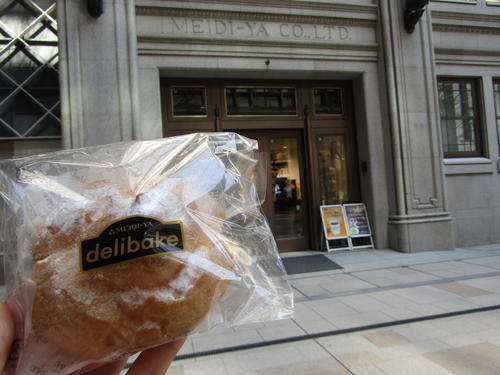
This is different from Mr. Shukley's cream puff,
The fabric is soft and fluffy
And what I would like to emphasize personally is a cute look like a flower.
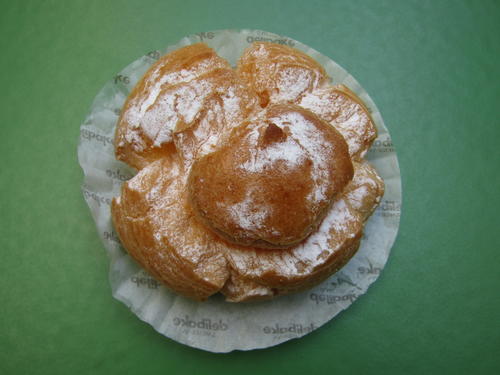
I've seen a lot of cream puffs so far,
It's the first time I've ever seen something like this!
Because there are irregularities, you can cut it by hand without wearing it and eat it relatively elegantly.
It may be a good point for women.
The cream does not have a strong egg feeling of custard,
It does not have a strong sense of vanilla, making it easy for anyone to eat.
In addition, it is smooth and creamy, so you can eat a lot of them.
The shop is directly connected to the station, so it is highly evaluated that you can drop in easily.
Address: 2-2-8, Kyobashi, Chuo-ku, Tokyo
Business hours and regular holidays: 10:00~21:00
Official Website: http://meidi-ya-store.com/store_all/kyobashi_store/
■Kohji Corner Ginza 1-chome Main Store
This time, cream puff cream that you can buy in Ginza, a little south of Kyobashi!
The Kohji corner is now being rolled out nationwide, but the head office is located in Ginza.
There are plenty of delicious sweets at reasonable prices,
I think there are many people who have been there once.
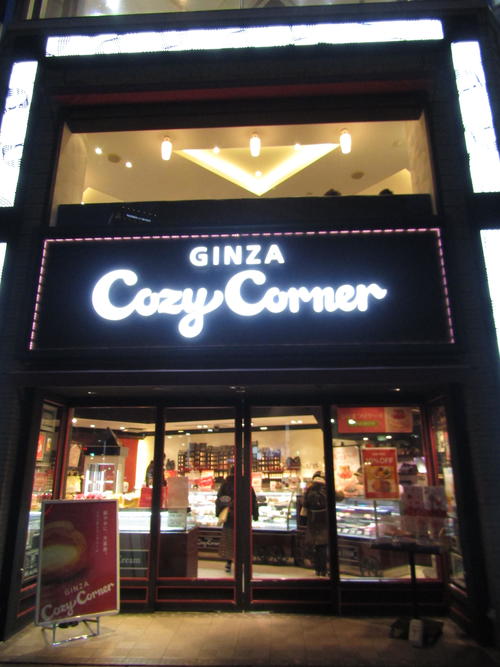
The jumbo cream series at Kohji Corner is a long-selling 35th anniversary,
Even though it can be purchased outside the Ginza main store, why do you introduce it this time?...
This is because it was renewed and leveled up on February 22, 2019.
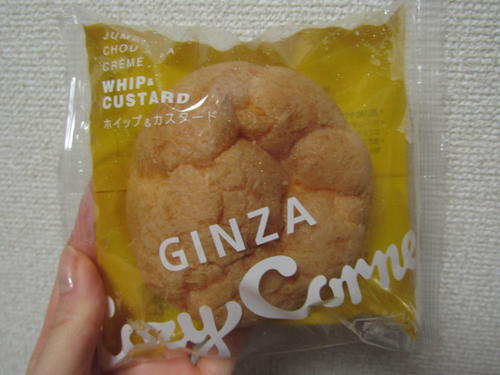
Custard cream enhances the flavor of vanilla and further enhances the richness of eggs.
Whip & Custard not only increased the cream, but
It seems that the addition of anglase sauce has added richness.
It's just a "jumbo" and doesn't disappoint expectations!
This Shoo fabric is also fluffy and crisp,
Isn't it easy for small children to eat?
Address: Ikedaen Building, 1-8-1 Chuo-ku, Tokyo
Business hours 10:00 to 21:00 (Inquiries required during the year-end and New Year holidays, during the event period)
Official Website: https://www.cozycorner.co.jp/
■Tahanatani-do Hall
This time it is cream puff cream that you can buy at Tsukiji.
This shop is known for its "cue cream which can be lined up"...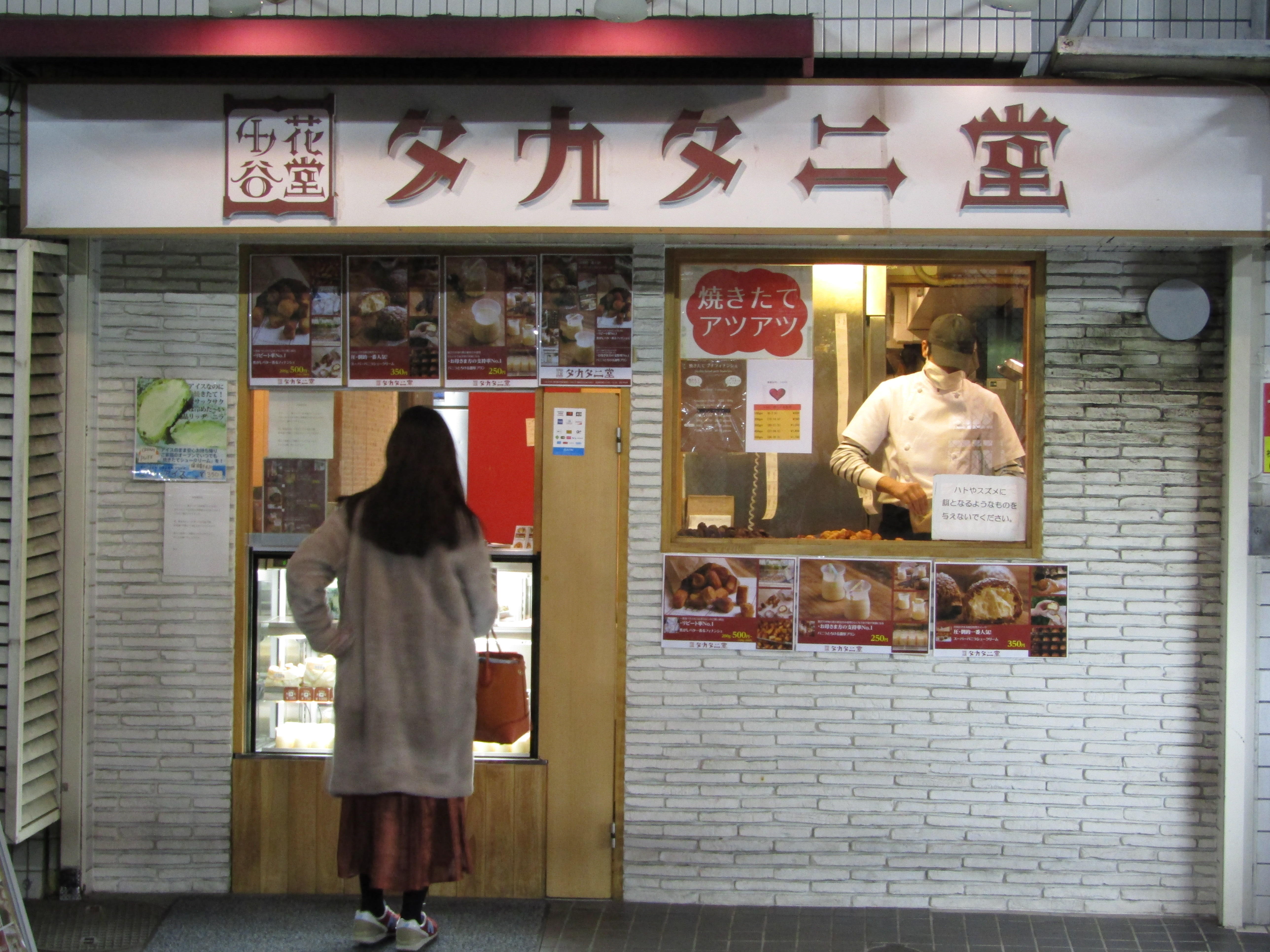
You can buy crisp and creamy cream puffs featured on TV shows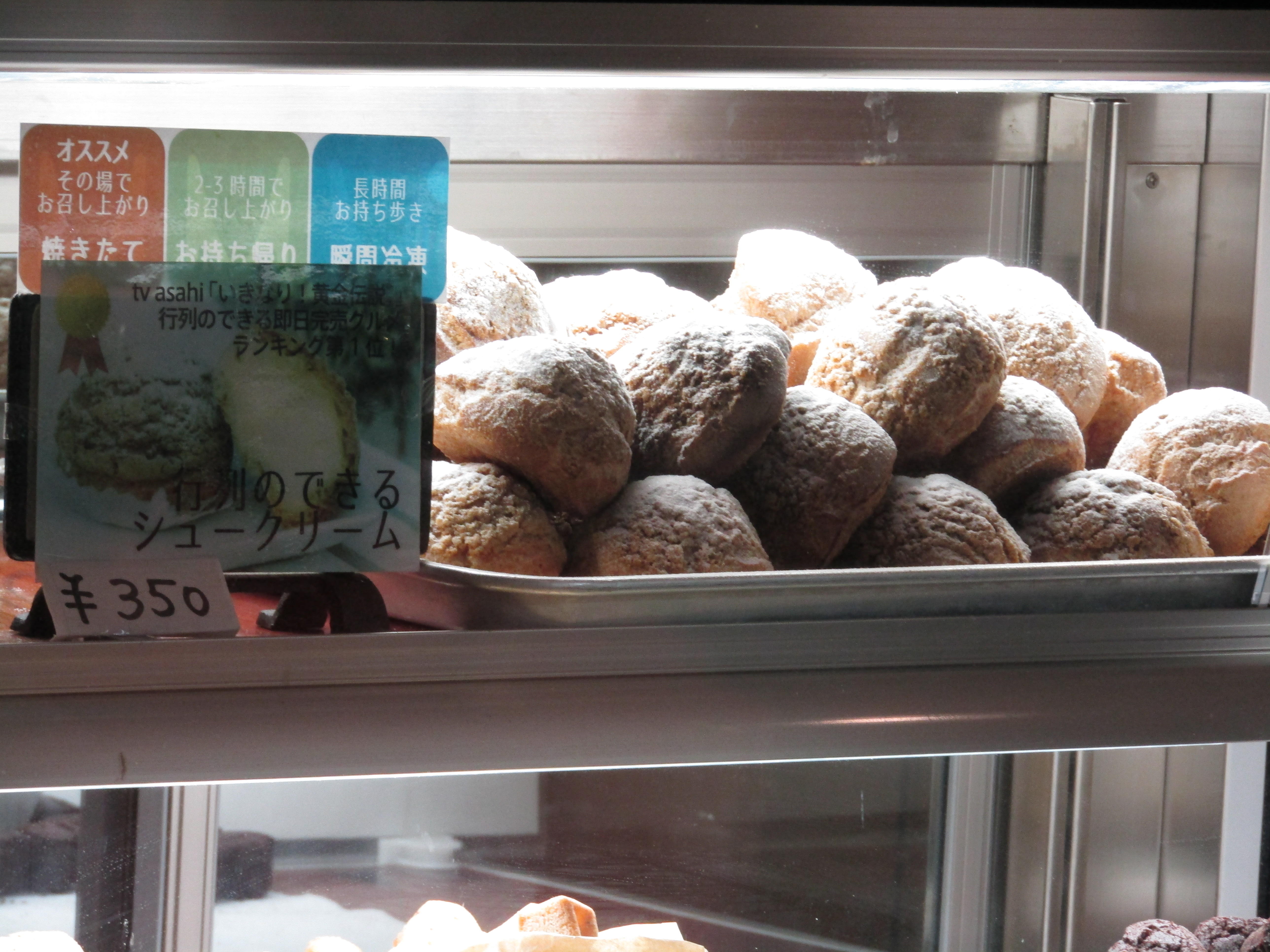
The sharpness of the cream is outstanding compared to others,
It is no exaggeration to say that there is no hollow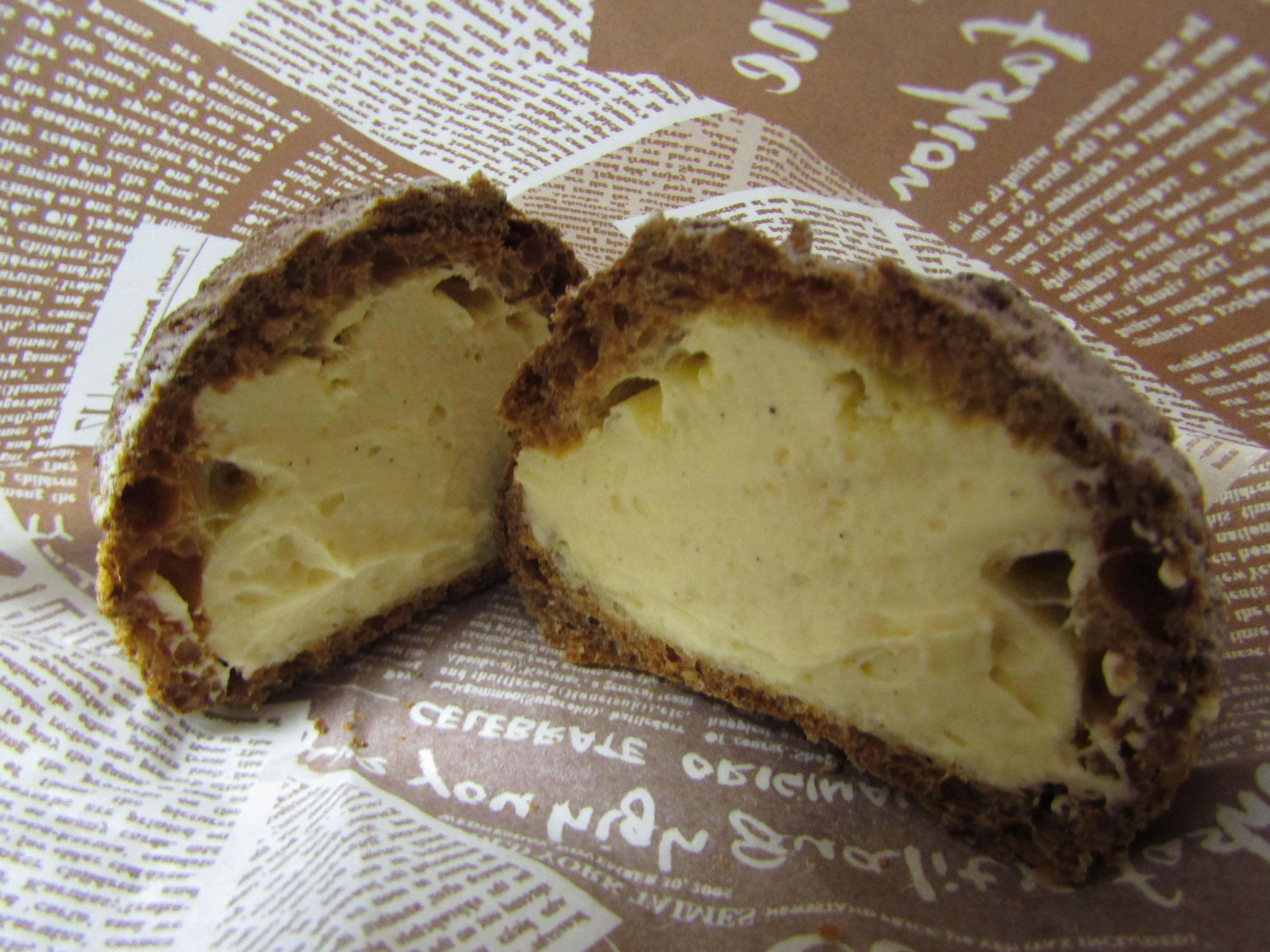
The rich custard cream that Vanilla Beans has generously entered is impressive!
If you like cream puffs who stick to cream, I would like you to eat it once.
Address: 1F, 2-14-4 Tsukiji, Chuo-ku, Tokyo Phoenix Higashiginza Building 2
Business hours 10:00~19:00
Regular holiday: Irregular holidays
Official Website: https://takatanidou.gorp.jp/
■Ginza Midori Hanado
I don't go to Tsukiji, but there's the same cream around Ginza,
If you want to eat crispy cream puff, go to this shop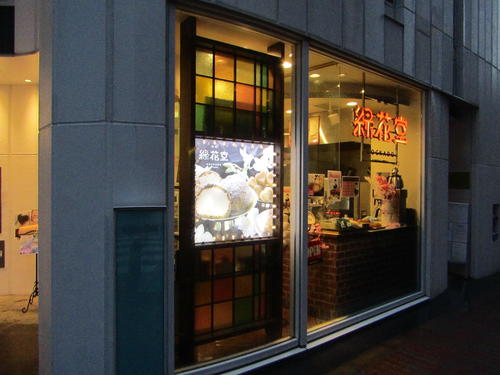
The cream puff here is also a favorite of Kabuki actor Matsuya Onoe,
The fabric is bulky, so you don't have to worry about losing shape when carrying it.
Also, because I'm sticking to freshly made,
You can enjoy a high-quality texture with a slight warmth.
In addition, he won the first place in the decisive battle of cream puff No. 1.
It is also a topical cream puff that you want to check when you come to Kabukiza.
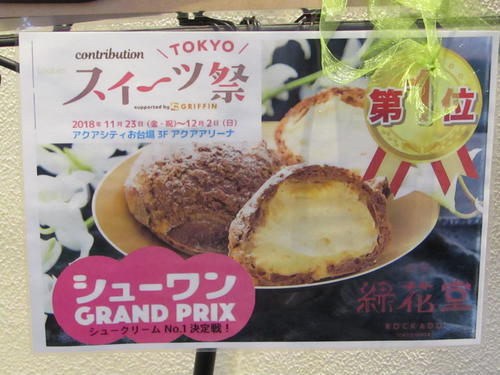
Address: 4-10-1, Ginza, Chuo-ku, Tokyo 1F
Business hours 12:00 to 22:00 (* Friday, Saturday, 22:30)
Official Instagram: https://www.instagram.com/ginza_rockado/
By the way, I introduced 5 types of cream puffs. Did you have anything to worry about?
Even if you don't usually eat sweets, try sweets in Chuo-ku on March 12.
Just looking at it, there should be a lot of sweets that make you smile
Chuo-ku Tourism Association Official Blog
Chuo-ku Tourism Association correspondent blog
Introduces "seasonal" information of Chuo-ku by sightseeing volunteer members who have passed the Chuo-ku Tourism Association's "Chuo-ku Tourism Certification" and registered as correspondents.
List of AuthorsRecent blog posts
|
I want to make a souvenir! 5 selections of cream puffs unique to Chuo-ku
It's the season of Circle Experience Week!
Spring This year, the annual "Circle Experience Week" at the Social Education Center will be coming.
The period is from Sunday, March 24 to 30 (Sat). The time is from 9 to 21.
Actively experience it and find new hobbies and purpose of life In addition, we received your consent Click here for a blog post that introduced the Circle Experience Week in March last year. ⇒ /archive/2018/03/post-5064.html Click here for the website of Chuo City Social Education Center ⇒ https://chuo-shakyo.shopro.co.jp/
Walk along the ruins of the Kaede River and Tsukiji River connecting canal!
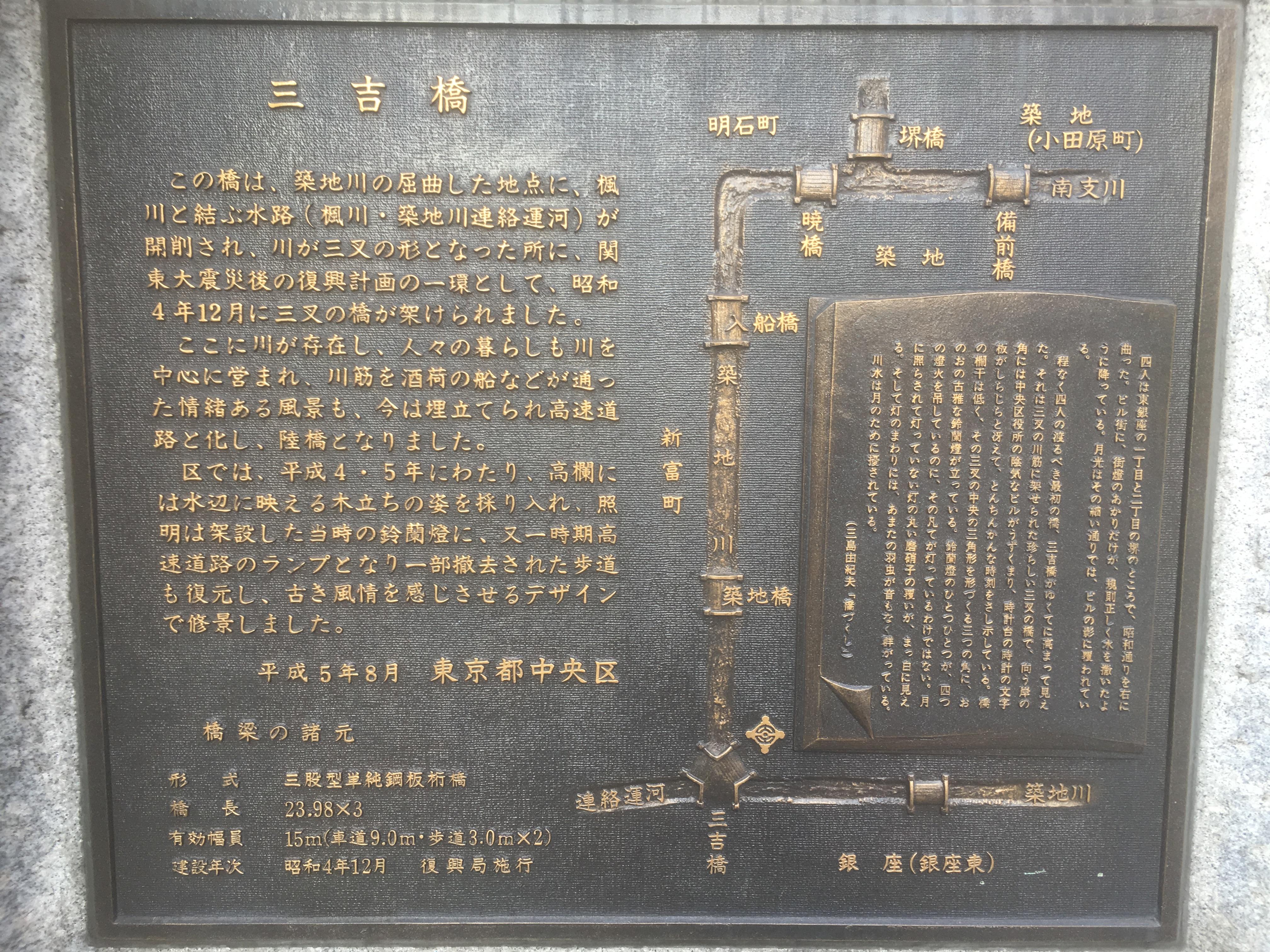
Everyone knows that the Kaede River and Tsukiji River have been reclaimed and have become the capital high speed, but in 1930, a new canal was opened between the Kaede River and the Tsukiji River as a reconstruction project after the earthquake. I think many people did not know that it was reclaimed in Showa 35 30 years later and reborn as an expressway. Actually, I didn't know until I became a correspondent of the Chuo-ku Tourism Association. This time, we are planning to walk along the ruins of the Kaede River and Tsukiji River. It is a canal between Ginza 1-chome and Shintomicho 2-chome, and this canal connects Nihonbashi and Tsukiji by waterway. Shinkin Bridge, Shintomi Bridge and Miyoshi Bridge were bridged. The start was to go south from the vicinity of Dansho Bridge in Kaede River and aim for Miyoshi Bridge.
The photo on the left is a photo taken downstream from Danjo Bridge, that is, toward Shinkin Bridge. We aim for Shinkinbashi on the right bank of the Kaede River site.
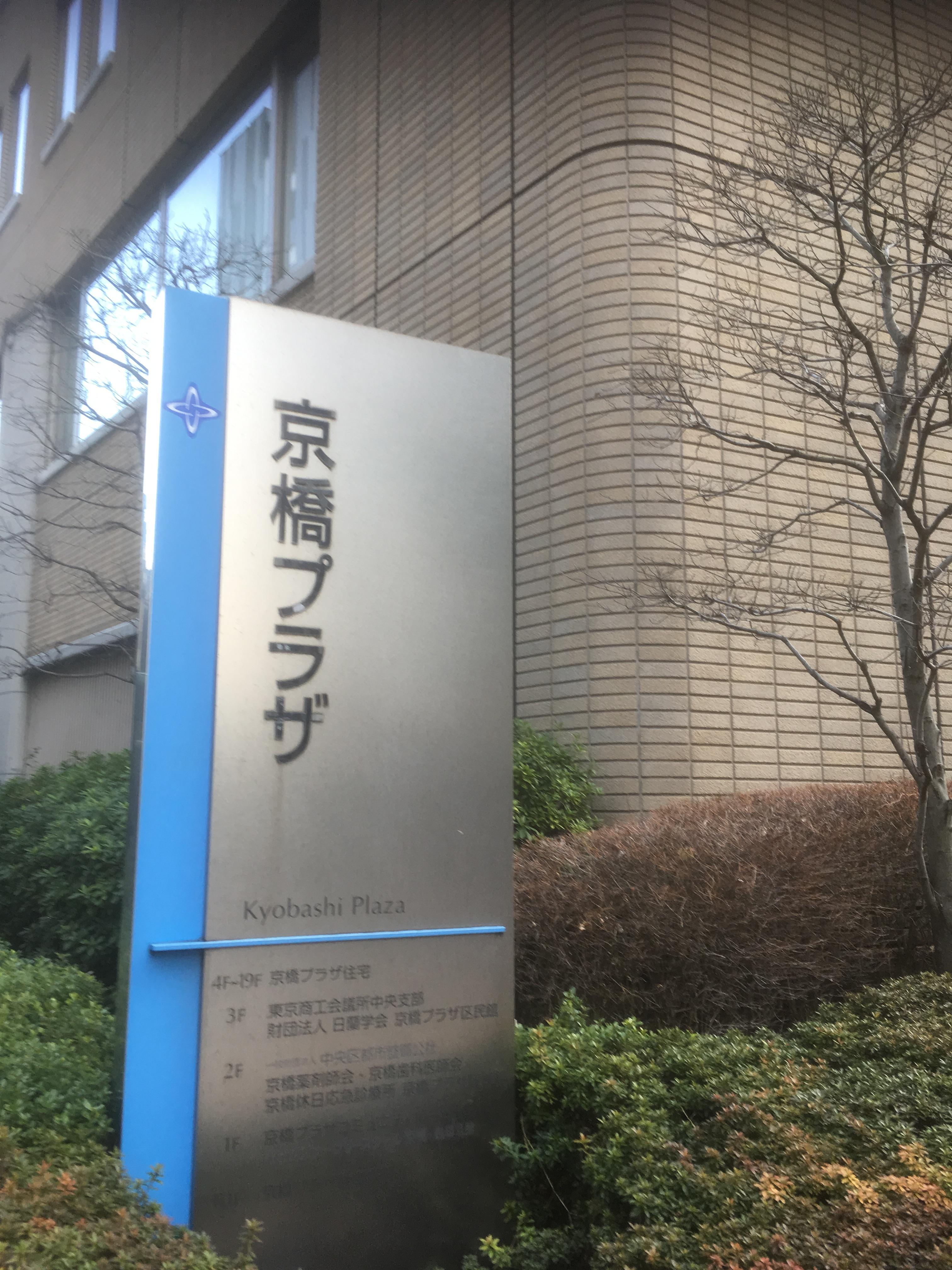
We have seen Kyobashi Plaza, a sacred place for us. The Chuo-ku Tourism Association Secretariat is located on the third floor of the building. In the planting of Kyobashi Plaza, there is an explanation board about the origin of Kibiki-cho. It seems that the stones in the enclosure of the signboard are made of stones excavated from the ground.
In addition, there is an explanation board for the Irigi riverbank in this Kyobashi Park. In these two explanations, it curves from the Kaede River and leads to Sanjuma moat. There is no mistake because it is an information board about the Edo period, but this project is to walk on the ruins of a canal that was excavated at the end of Mitsuhashi in 1930 and divided into the Tsukiji River. Then the park was filled with white placards. What is it? As I approached, it was a placard for tomorrow's Tokyo Marathon. That's right. Let's move on to the Shirokane Bridge. Then I found another sign.
This is the description of the Mitsuhashi site. We arrived at the New Gold Bridge. Shinkinbashi has the entrance of Kyobashi at the Metropolitan High School. The photo on the right shows the direction of Shinkinbashi from Shintomibashi. It is said that the bridge name was Shinkinbashi to connect Shin-Tomicho and Kin Rokucho. The name of Shinkinbashi was left at a small but small amusement park on the upper left bank, and at the intersection.
Then, after Shinkinbashi, proceed to Shintomi Bridge on the left bank of the Kaedegawa and Tsukiji River connecting canals.
There was a small shrine on the left bank of the ruins of the Kaede River and Tsukiji River Canal. When I checked the name, it was "Shintomi Reconstruction Inari Shrine". I had visited this area several times before, so I knew the existence of this shrine ... From the word reconstruction, it seemed to be built after the earthquake, and I knew only that it was a larger shrine with a torii gate several meters away before. In addition, there was a five-story stone pagoda behind the shrine. Is this on the grounds of the shrine too? I'm a little worried that the joint part was broken.
That's Shintomi Bridge. The name of Shintomi Bridge remains in the park and intersection.
If you think you saw it somewhere in the Japanese house shown in the photo on the right, it was "Onoya Sohonten Store" in the country registration Tangible Cultural Property. It is a townhouse architecture in the Taisho era.
The photo on the right is a picture of Miyoshi Bridge from Shintomi Bridge. From Shintomibashi, proceed to Miyoshi Bridge on the right bank of the Kaede and Tsukiji River connecting canals.
There was the Suzuki Building, which was certified by Tokyo Metropolitan Government Historic buildings. Certainly, I felt that there were a variety of horseshoe-shaped and round-shaped windows.
I arrived at Miyoshi Bridge, the end of this city walk. The brown building that towers behind Miyoshi Bridge is Chuo-ku Office. The photo on the right shows the direction of Shintomibashi from Miyoshi Bridge. And there is an explanation board of Miyoshi Bridge on the upper right bank. On the explanation board, one of Yukio Mishima's "bridge zukushi" is quoted. I haven't read this novel, but the point is that this Miyoshi Bridge is a Mitamata Bridge. Personally, I feel that this Miyoshi Bridge can be noticed more. In Chuo-ku, renovation work was carried out in 1995, and Suzuran lights at the time of construction were incorporated into lighting fixtures. In the photo on the right, you can see the letter "December 1929 Reconstruction Bureau Building X". Before this city walk, why did this canal have been excavated but had to be buried again in just 30 years? I was wondering. I checked it myself, but Tokyo was also renewed due to the "Teito Reconstruction Project" after the Great Kanto Earthquake. Most of them, such as roads, bridges, and rivers, are still in use today. However, there are some items whose plans have been changed again due to post-war reconstruction and expressway construction for holding the Tokyo Olympics. The Kaede River / Tsukiji River Connecting Canal is a newly excavated canal as a reconstruction project after the earthquake, and was very active in logistics from the Central Wholesale Market relocated to Tsukiji after the earthquake. But is it possible to stop the car after the war?
Reference: Map of River Dictionary (Edo, 23 wards of Tokyo) by Kenji Sugawara “News from Local Room” No. 152 No. 156, Chuo Ward Kyobashi Library Editing and Publishing Stand curry in Tsukiji, underground restaurant area [RASA]
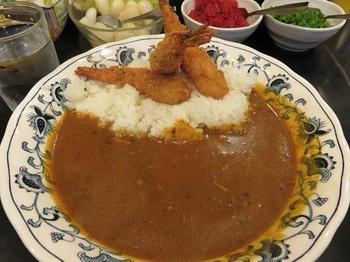
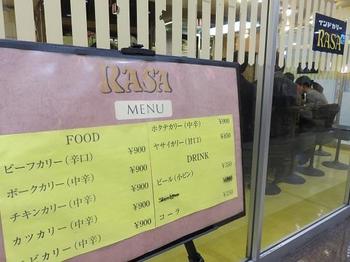
This is a curry rice shop located on the basement floor of the Conwa Building, Tsukiji 1-chome. It is a shop only at the counter, and lunch Today I ordered shrimp curry (medium spicy)
I think the well-simmered spicy curry is a secret of stable popularity Homemade cabbage sour and other 3 kinds of appetizer are all-you-can-eat Variations include pork, beef, chicken, shrimp, cutlet, etc. Business hours are from 11:30 to 15:30.
If you don't go for a while, it's a curry shop that makes you want to go unsexual.
I read the budget (draft) for Heisei 31, Chuo-ku
Chuo-ku seen by Sidmore (3) Memory of Shintomiza (Shintomiza)
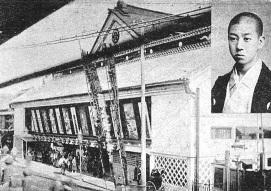
It is a gabled building with a long frontage, and actors' paintings are lined up at the top of the entrance. The streets are lined with teahouses and restaurants, suggesting that it is not a short play where spectators go out after dinner and finish in about two hours. We organize the viewing team carefully in advance and immerse ourselves in the theater for a whole day. The play usually starts at 11 o'clock in the morning and ends around 8 or 9 o'clock in the evening. After a short period of time, when the appearance of the thousand actors and the plan of the magnificent stage equipment are known, the spectators will specify the viewing time as appropriate. For high-ranking Japanese people, the act of going to the theater entrance and paying a viewing fee is quite bad, so such audiences run at least one day in the teahouse near the theater to arrange tickets for the day, and secure seats through mediation. In other words, the teahouse is a daff shop that is paired with the ticket office! At an appropriate time, the party will gather at the teahouse, order lunch and dinner on the day, and the person in charge of the teahouse will guide the guests to the bleachers. There are several tea services a day, and you will come to order "Do you want anything" during the break time. At dinner, a large lacquered heavy box with plenty of dishes is carried, and the patron sits comfortably and eats. Each seat is equipped with a cigar tray loaded with charcoal fire in a conical shape, and everyone ignites the kissel, smokes the cigarette, and at the same time, puts out the butts. Sometimes this sound matches the stage performance and becomes Oai chanting! ?
The theater building is a light and thin wooden building, with matt and tatami mats spread everywhere, and they are all similar. Square seats, sloping floors, simple low corridors, and the stage are spreading throughout the hall. A low horizontal tree divides the floor space into a basin type, which serves as a connecting bridge where customers enter and exit. The audience always sits on the floor of the basin seat, and each seat is six feet [1.8 meters] square and is designed for all four people. Looking at the walkway, there is a row of Masu seats on one side and a few Masu seats toward the stage. There is an enclosure of a standing guest behind those seats, and you pay about one or two copper coins per act. This enclosure is called "Tsumbo Pier [Makumi Seat]", but the noisy of this customer is so busy that even the deaf people want to block their ears. Passengers entering the theater attach cards to their footwear. The shelf is full of hanging clogs, and it is like a decoration in the entrance lobby. Inside the building, there are shops selling fruits, tea, confectionery, cigarettes, toys, kanzashi, star photos, and even booth items, so customers in Masuseki do not need to go out for any shopping outdoors. In addition, it is a bright and airy open playhouse, so the gap winds are passing through in winter!
|
MenuArchiveLinks |
 is the
  something.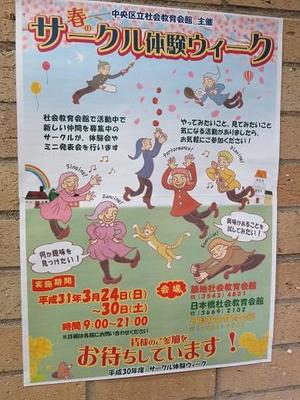
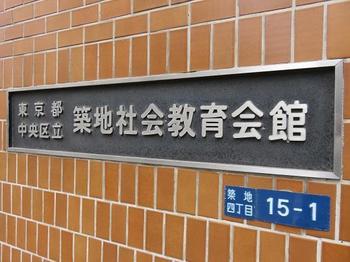

 regarding photography in the museum.






 will be full with office workers.

 I looked through the budget (draft) for FY2010 published on the homepage of Chuo-ku.