 Official
From a childhood friend who lived in Tadokoro-cho in the Meiji period to Yoshi grandmother
I found a letter with a replacement song of oppeke from my relatives' homes!
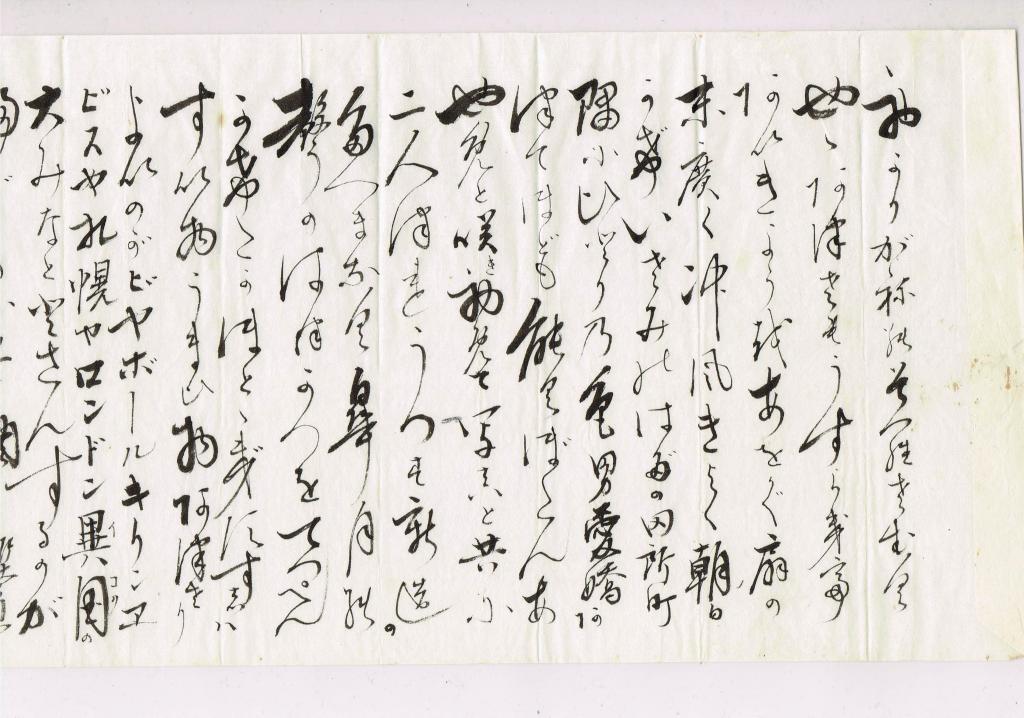
I heard from my husband that my grandmother, born on June 24, 1885, lived at 2-chome Horidomecho, Chuo-ku (19 Tadokorocho, Nihonbashi-ku). For me it is my grandmother. His name was Haru Tanaka, and his childhood friend Kotoko Matsumoto also lived at 19 Tadokoro-cho, so it may have been living in a tenement house.
Haruno's father was a carpenter from the Edo period, but his daughter's education was not a shamisen or other arts, and the reason why he learned abacus and calligraphy was thought that reading and writing abacus would be useful in the future world, even though it was a woman. It is reported that he went to a high school for four years, but unfortunately he does not know the name of the school. It is a guessing area, but it seems that only Arima was a high school in the surrounding area. The tomb of the Tanaka family was located at Sogenji Temple in Asakusa.
To avoid this, Mr. Shinshiro's older brother of Yunosuke Sasaki, the president of the National Daiichi Bank, Mr. Tokio Marine & Fire Insurance Co., Ltd., Director of the Daiichi Bank, Director of the Daiichi Bank, Director of the Japan Fire Refractory Brick Director, Special Representative of the Tokyo Chamber of Commerce, and Electrical and Coal Mining Industry ", he went to service at the age of 14 in 1899, and was good at sewing, so he became a servant. It is said that the Sasaki family son was picked up and picked up at the Gakushuin, and that Haruru, who was good at painting, drew pictures to children.
See Shinshiro Sasaki, 'Taikan of the Modern Masters Family'
After that, Haru lived in 1906 until he married at the age of 22 in 1906. A letter from that time.
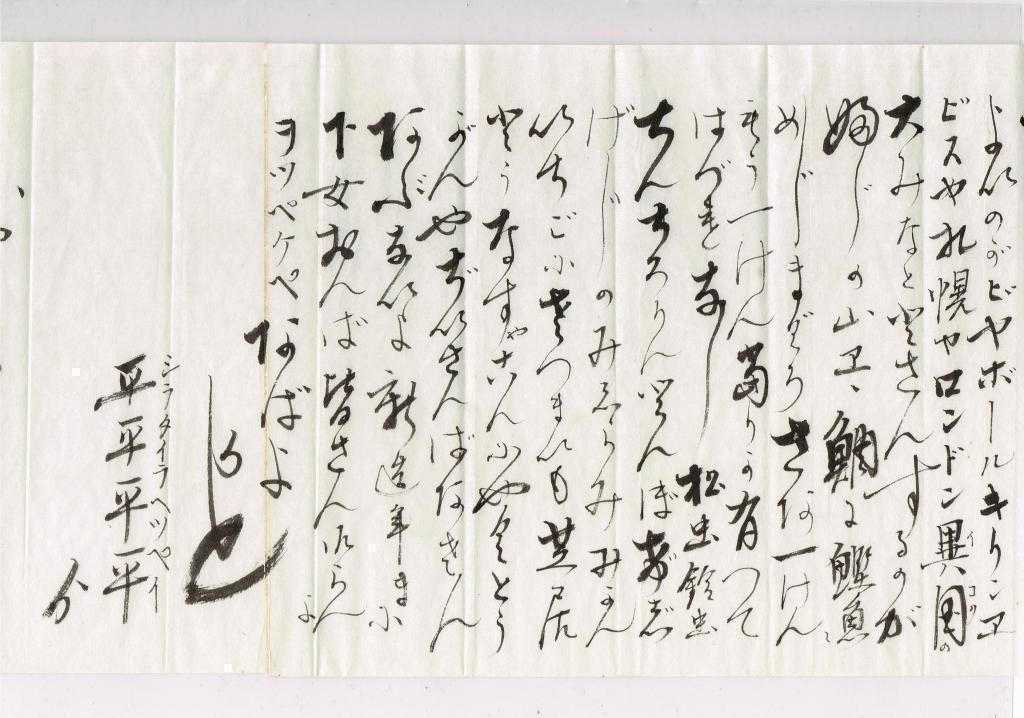
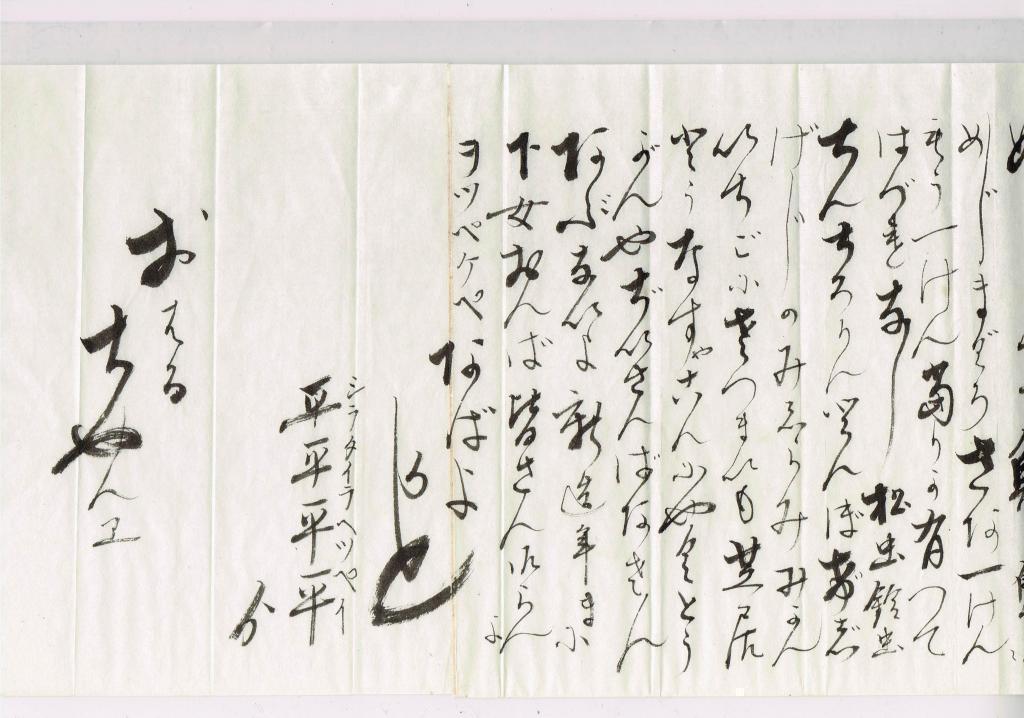
The contents include the lyrics of oppeque. Since the place name of Tadokoro-cho is included, it seems that it was popular in Chuo-ku.
"Book Forest Chuou" Chuo-ku Board of Education, Book Cultural Properties Division Local Museum translated by Teru Yumizu, Cultural Property Research Instructor. I added my translation to that translation.
[First karigane, sorasamiku] It's a little hot and smooth.
Aikiyo, a fan, a fan Suehiro Ku, offshore windy, morning sun
Kage, Isami-no-hada, Tadokoro-cho A man in the corner, adorable man
It's just as good, sir Stop, start blooming, with photos
Two of them are a new one. Nose white (Satsuki)
It's quiet, it's the top. Totogisushi (sweet sushi)
Suimono, Umahimono, and Atsasa All right, beer hall, Kirine
Bis, Sapporo, and London foreign countries.
Fuji-no-yama, eh, sea bream, bonito, fish Mejimaguro, Saaken
There's another win. Matsumushi no Suzumushi no Suzumushi
Chinchirorin and Tonbogeji Geji, Mishirami, Mikan
Strawberry, sweet potato, play Yeah, Grandma
It's ugly, new construction, year-on-year Guys, you guys.
Otsupegabayo
Kashiko
From TAIRA no Heihei (Shiratiraheppei)
Oharu-chan
Envelope
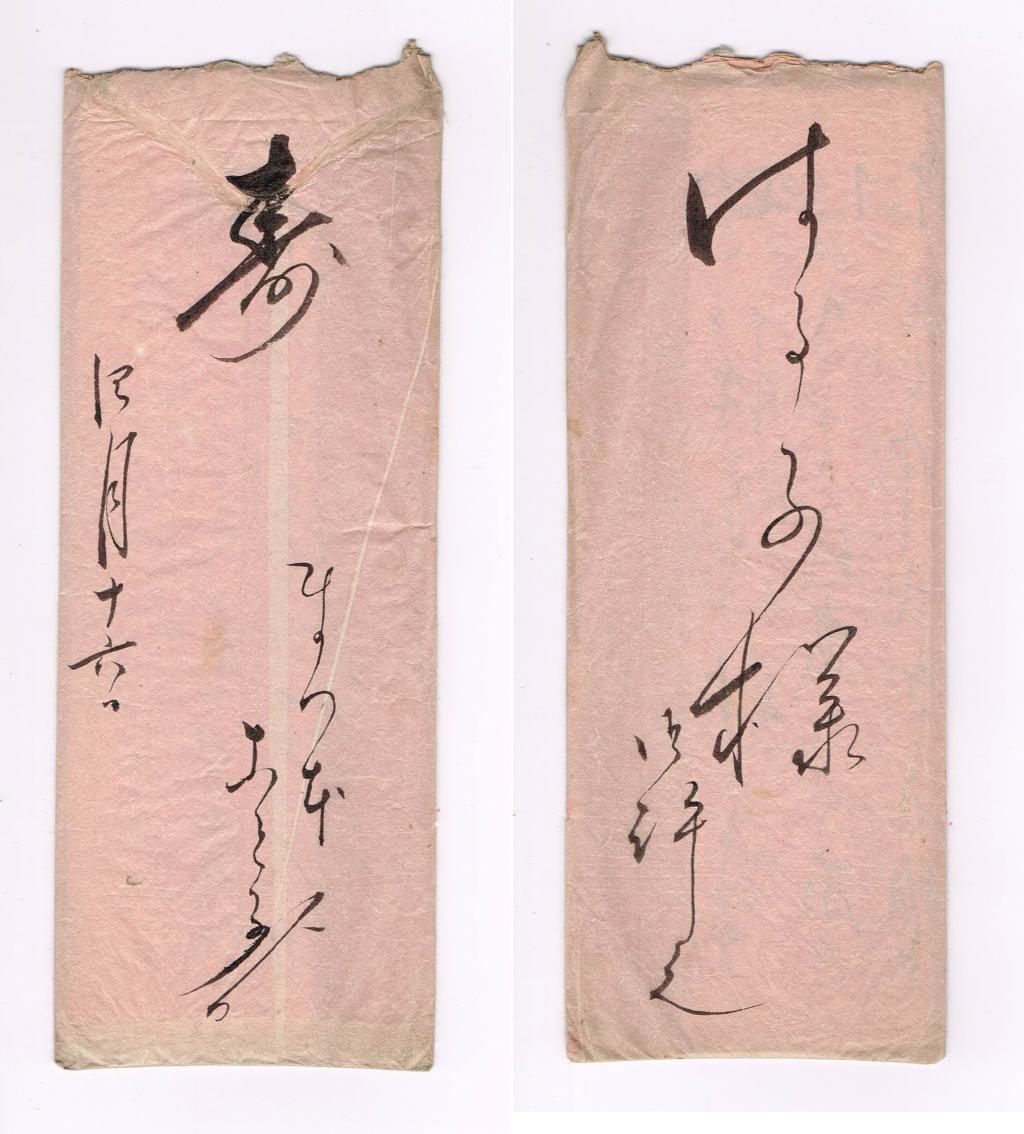
I'm sorry.
From the kotoko
Kotobuki April 16
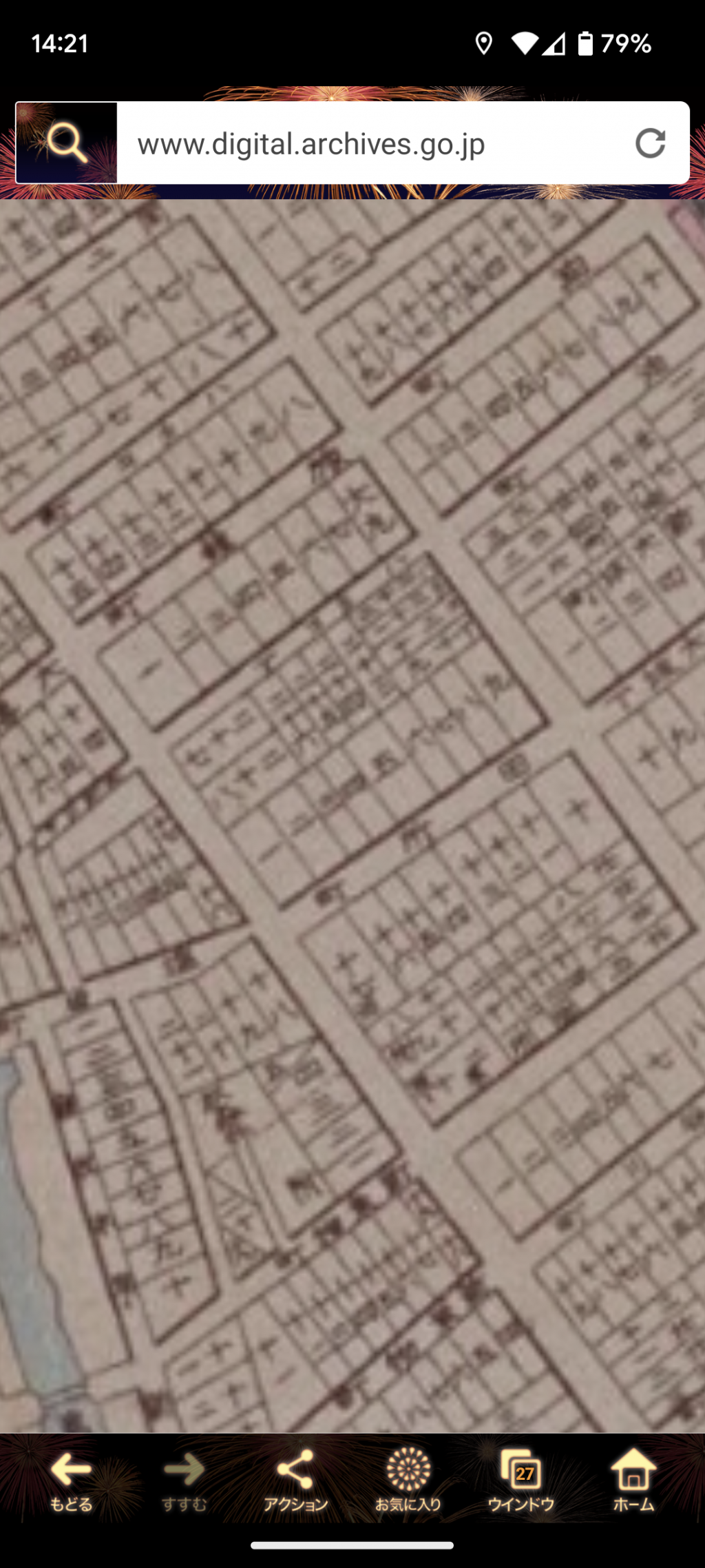
Map of Tadokoro-cho in the Meiji era
Otojiro Kawakami and Oppekepe
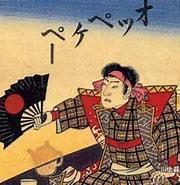
Otojiro Kawakami 1864 Born January 1, 1864 - November 11, 1911 He was born in a large indigo wholesaler and was the founder of a box officer, artist, and new school drama that prevailed in "Oppekepe-bushi" from the Chikuzen Kuroda Domain (Fukuoka Domain). Shosei plays and Soshi plays eventually became a new school and became more popular than old plays.
As the first world-class entertainment for Japanese people, he gained popularity at the 1900 Paris World's Fair in 1900, and together with his wife Sadayakko, he was very active on the international stage. I was the first Japanese to record "Oppekepe-bushi" at Grammophon Records Company in England. You can only hear the voice of the dramatist Oto Jiro in the Meiji era.
Otojiro Kawakami repeatedly imprisoned a radical political movement in Hakata, calling himself a newspaper reporter on civil rights philosophy, Jiyudoji. To Meiji period, who was suppressed as soon as he expressed his political opinion, Jiro said what he wanted to say in the lyrics of Oppekepe, so he expressed explosive popularity among the people.
In Tokyo, in 1891 1901, he sang at Asakusa Nakamuraza as an actor of the Soshi play, and as an entertainment for Daikiri, he sang with redjin haori and Hinomaru fan over the rear headband. As it became popular, the lyrics increased steadily. It was spread throughout Japan as a popular song.
"Nakamuraza Daitoshoshoshosho Shosei Opera Oppekepe (Nihonbashi Chojamachi Fukudaita - July 1891, Dairobo Kokuni Goyokuni, formerly a variant kana)"
Referring to "Oppekepe-bushi" is described in "Nihon Modern Kayo History" by So Nishizawa (published by Sakura Kaedesha, November 20, 1990). The lyrics of Oppekepe are described in Chapter 29 (page 1839-1910, volume 2050-51).
(See from Wikipedia)
We have decided to donate a letter from this Meiji period to Honnomori Chuou!
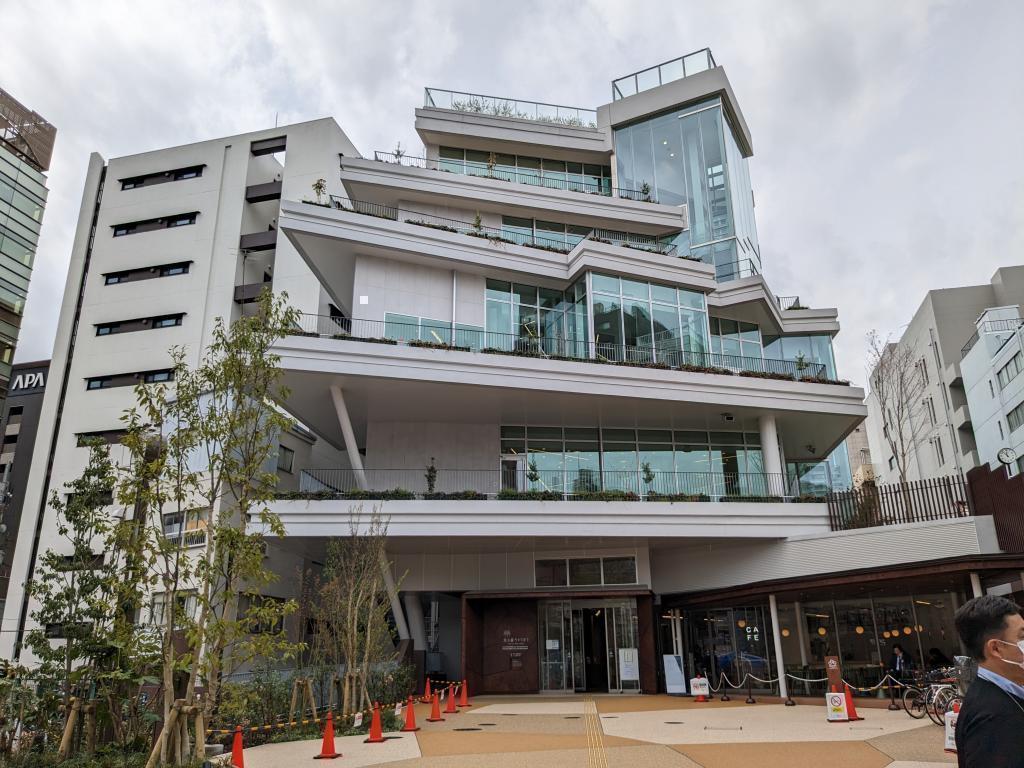
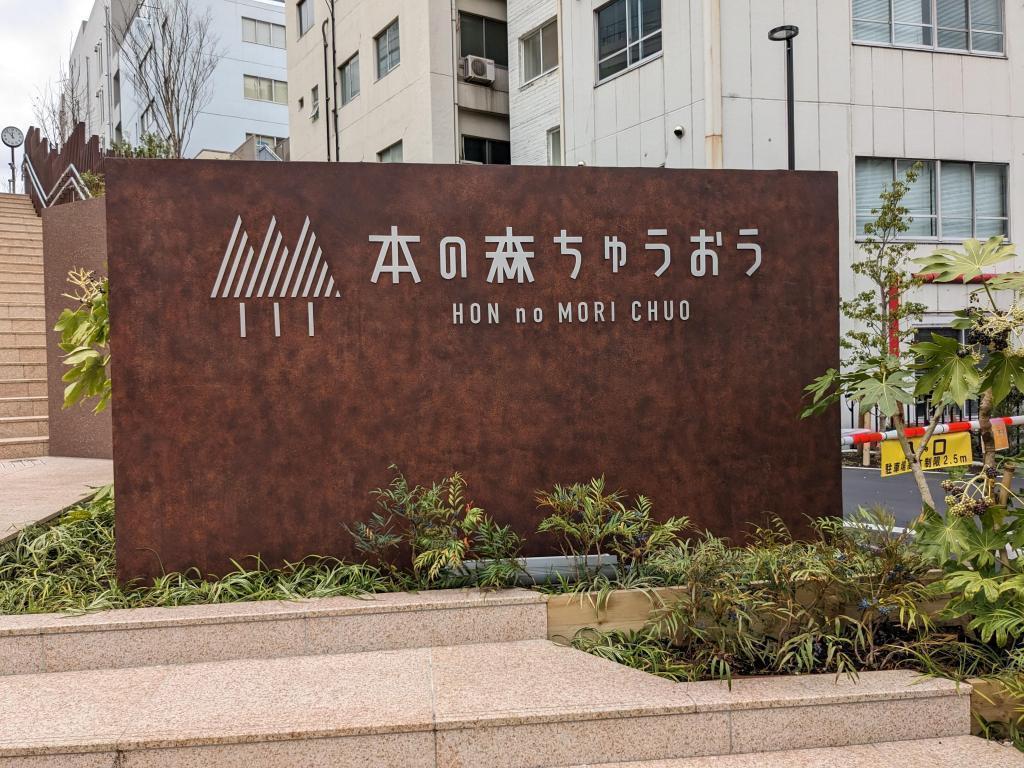
Chuo-ku has been hit by two major disasters, including the Great Kanto Earthquake on September 1, 1923, and the Tokyo Air Raid on March 10, 1945. For this reason, it seems that there is almost no private material left. This letter was also found in Reiwa due to the evacuation of descendants in Saitama Prefecture.
We have decided to donate this letter to help the history of the Meiji period of Chuo-ku.