 Official
Shrine No.26 with a quiet appearance that can be reached from Ningyocho Station
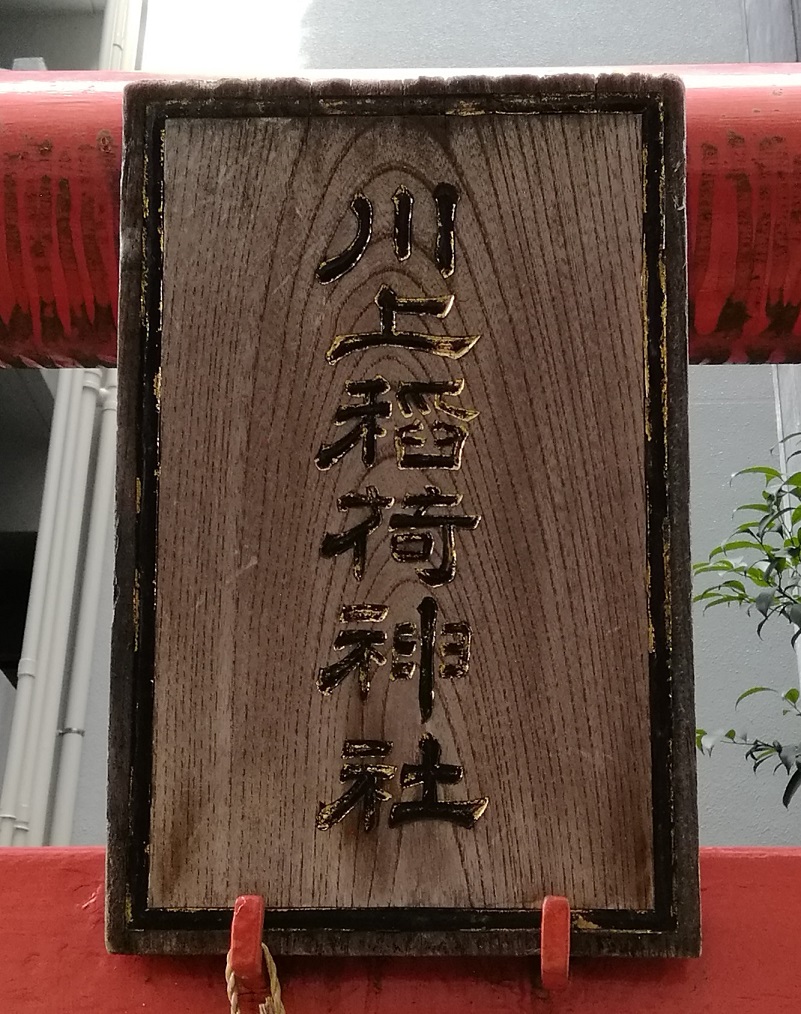
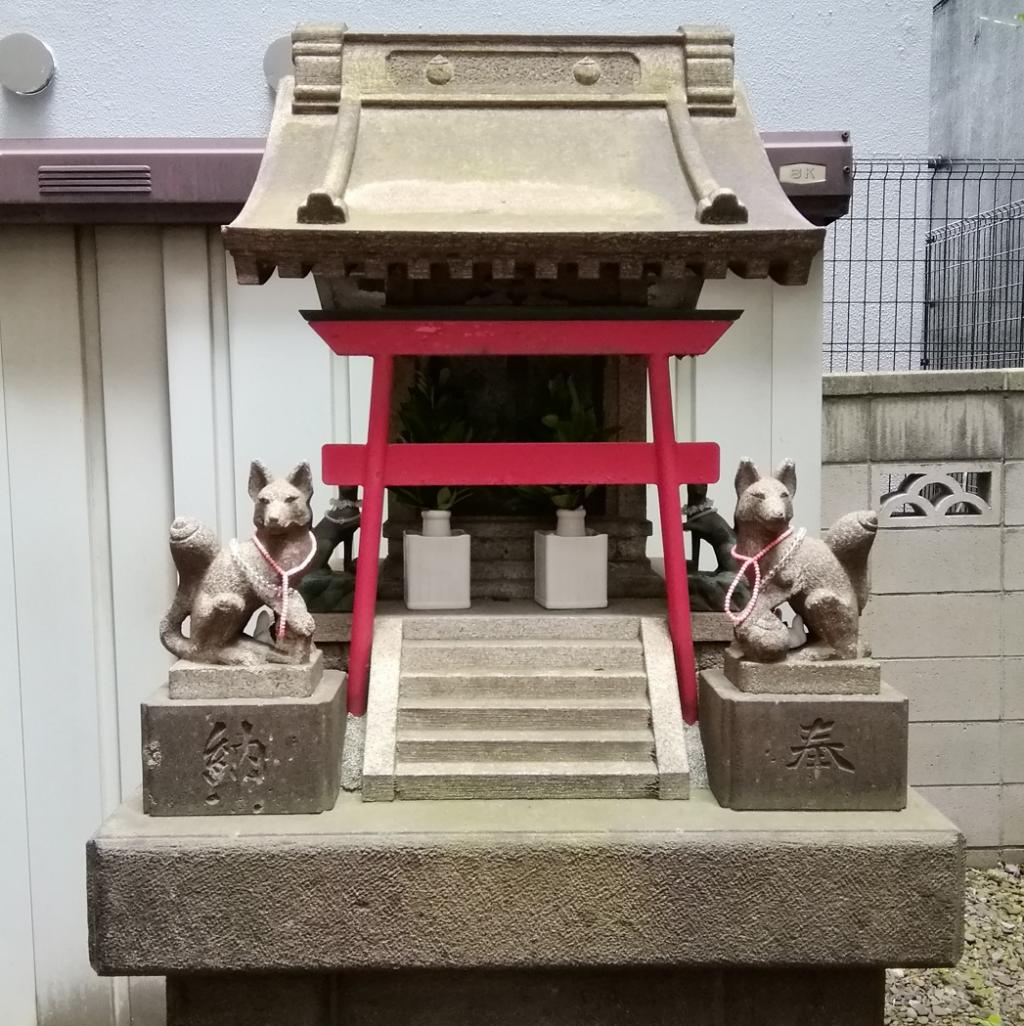
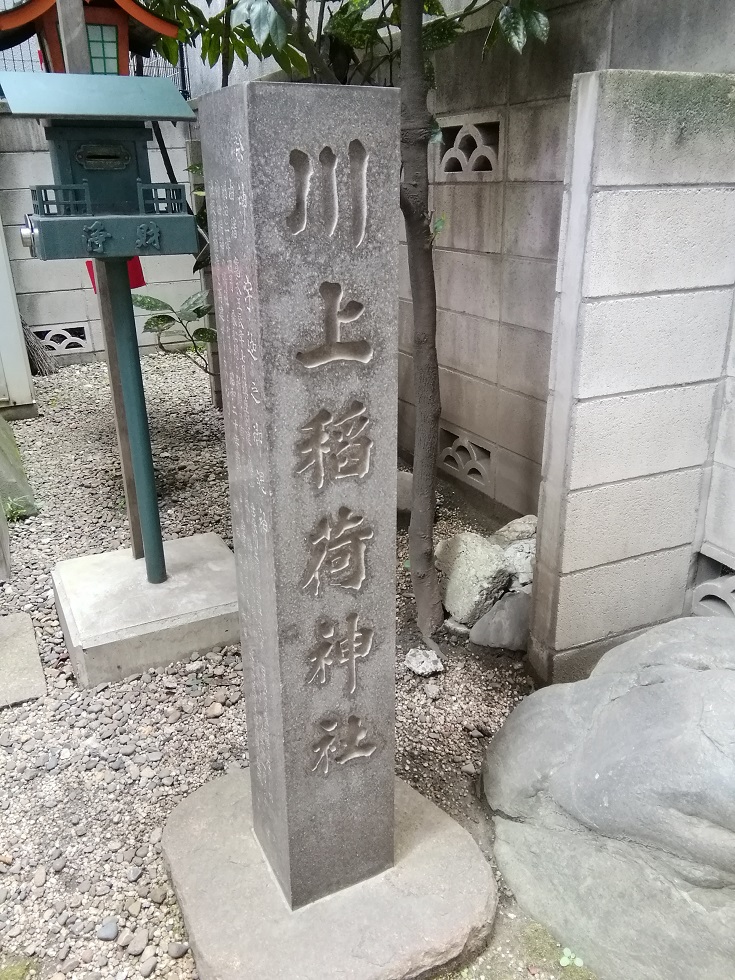
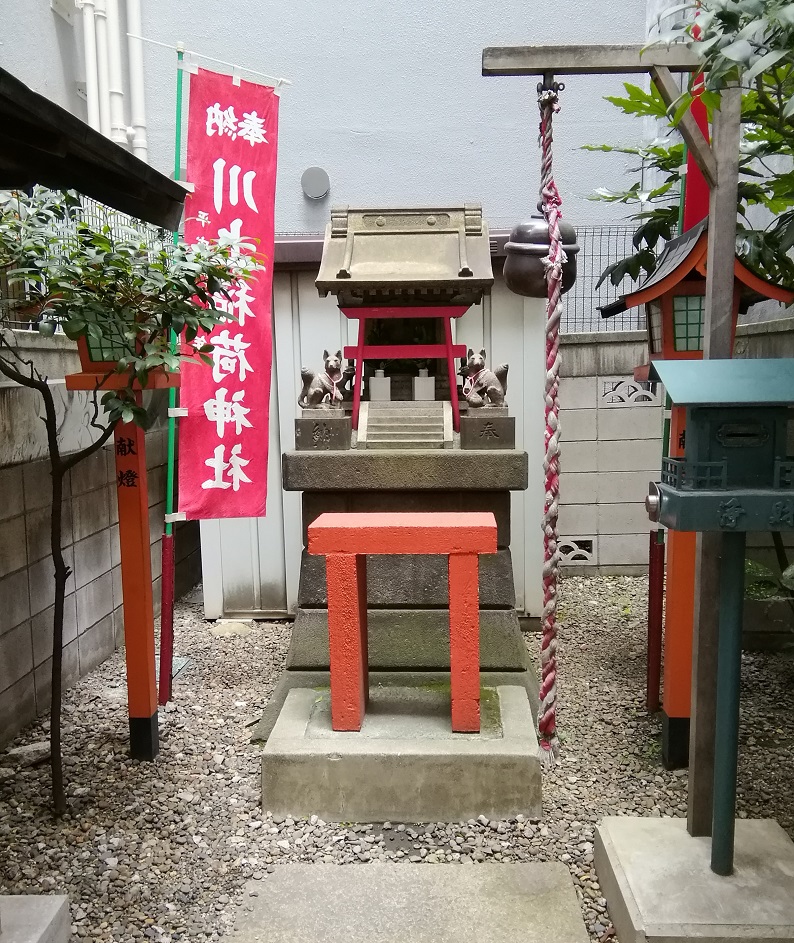
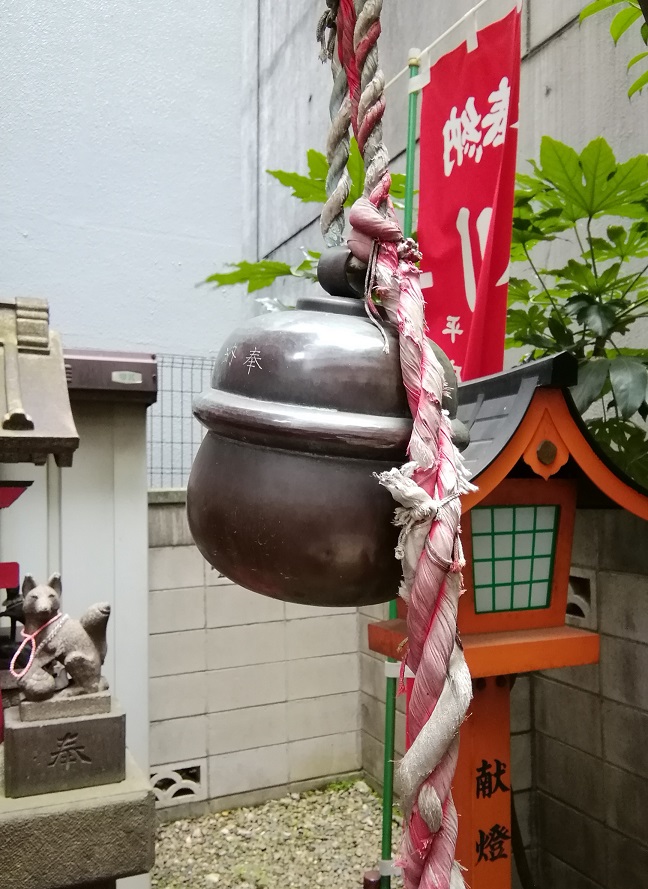
Kawakami Inari-jinja Shrine
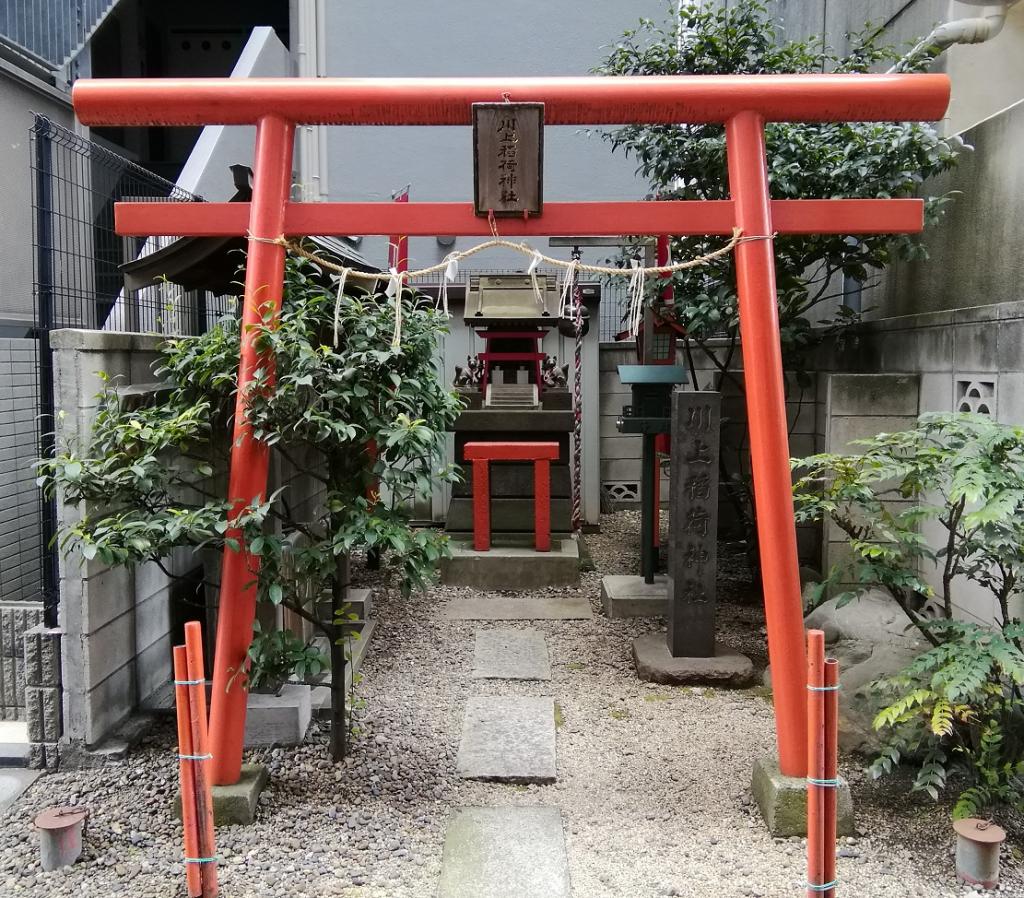
Rosemary sea is a positive coverage of "Gifts and Enjoy Yourself."
This time, we will introduce Kawakami Inari Shrine (Kawakami Inari Jinja) in the 26th series of "Shrine with a Quiet Appearance that can be reached from Ningyocho Station".
Then...
Goyu
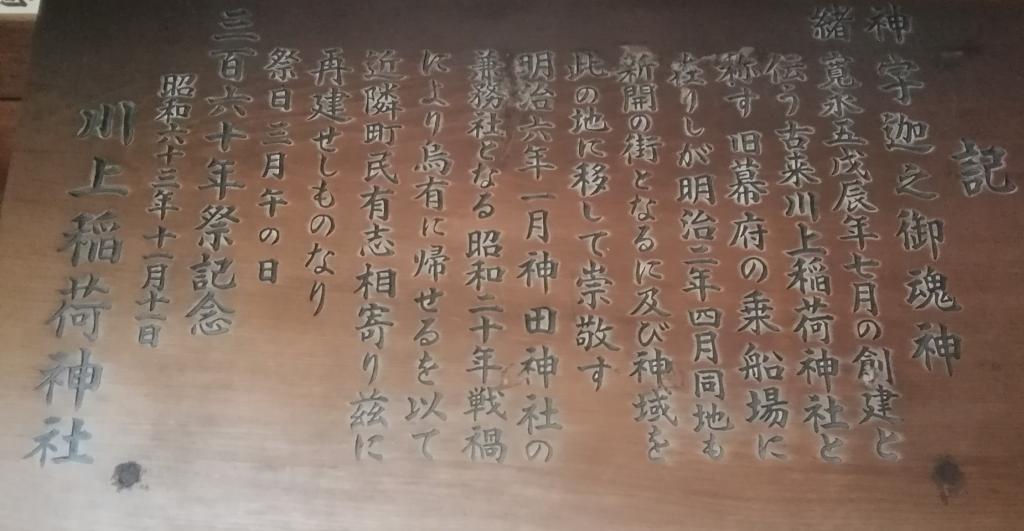
It is said that it was founded in July 1628.
It has been called 'Kawakami Inari-jinja Shrine' since ancient times.
Shiga is located on the boarding area of the former Shogunate, and in April 1869, the area became a city of Shinkai, and moved the sacred area to this area to honor Takashi.
In January 1873, he became a concurrent post of Kanda-jinja Shrine.
In 1945, he was returned to Uyu due to the war, and was rebuilt at the nearby townspeople's volunteers (here).
This time, I will show you Edo Classical Rakugo.
In this 18th edition, I would like to introduce the story "Ryogoku Bridge" near this shrine, "Jittoku".
<Pre-Confirmation Corner>
Ryogoku Bridge...
This bridge spans Higashi-Nihonbashi, Chuo-ku and Sumida-ku.
Ichikokubashi Bridge (Ikkokubashi)
A bridge that connects Yaesu, Chuo-ku and Nihonbashi-Honishi-cho, Chuo-ku.
There is Shozaburo Goto of Honryogaecho in Kitahashizume, and Nuinosuke Goto of Gofukumachi in Minami Hashizume, and one of the theories of the bridge called "Goto + Goto = Ichiishi" is a correspondent I think that you can hear.
It is also called "Yatsumi Bridge" and "Yatsuhashi", and Tokiwa Bridge (not Tokiwa Bridge), Gofuku Bridge, Kajibashi, Dosan Bridge, Zenikanbashi, Nihonbashi It seems to be derived from the view of the Edobashi and Ichiishi Bridge itself.
'Tentoku'
Hachigoro, who visited his retirement, noticed that the kimono worn at his retirement has changed,
"This is called" Jutoku ", and if you stand up, like a garment, if you sit down, like a haori, and in" Gotokugokugokugoku (Gotoku + Gotoku) ".
He continued, "Because Musashi Country and Shimousa Country, Ryogoku Bridge", Goto, a kimono shop in Gofukumachi, and Goto, a Kanafukicho, shared money and built it. (Goto + Goto) also taught "Ichiishibashi".
Eighth, this was a good thing, I wanted to talk to someone, to everyone.
“Do you know the name of Ryogoku Bridge?”
"I know that,"
“So what about ten virtue?”
"I don't know,"
"Uh, if you stand up, it looks like a garment, and if you sit down, it looks like a garment."
“If you don’t like it, don’t you stop?”
“No, but stand up and wear your clothes, sit down and wear it, and see it.”
“If you sleep, what if you sleep?”
"If you stand up, you look like a garment, if you sit down, you look like a garment, and you look like a garment."
“Are you drunk during the day?”
“No, if you stand up, you look like a garment, if you sit down, you look like a garment, or you look like a garment, or a cloak.”
Inari, Kawakami-jinja Shrine

2-25-5, Higashinihonbashi
Take the Hisamatsu Police Station / Meijiza side (not the Ningyocho intersection side) at Exit A4 of Ningyocho Station on the Tokyo Metro Hibiya Line / Toei Asakusa Line, and go to the right.
About 400m on Kinza Street, cross the Hisamatsucho intersection, turn left, and follow Kiyosubashi-dori St.
At about 200 meters, turn right at Kiyosugi-dori Street and turn right at Higashi-Nihonbashi Station to Yanagibashi Street toward fudoson.
Turn right on the road just before going to "Yasukuni Dori" and you will be on your left.
Beyond that, there are the Ryogoku Hirokoji Monument and Ryogoku Bridge.
It is about a 12-minute walk from Ningyocho Station, but it takes about 3 minutes from Higashinihonbashi Station.