 Official
Bettara City, a downtown feature in autumn for the first time in three years
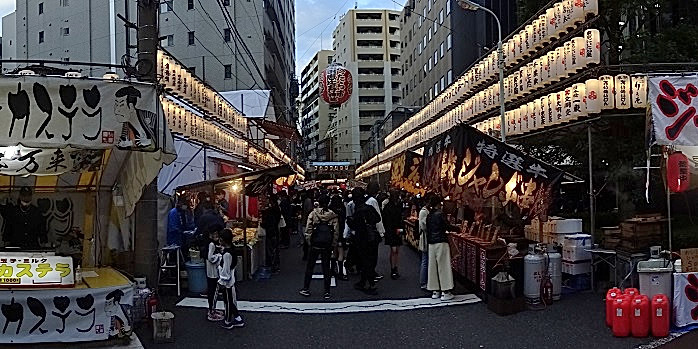
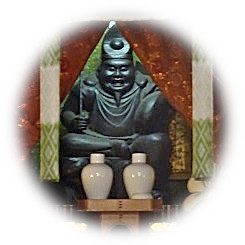
October 19·On the 20th, "Ebisu-ko Bettara City" is being held around Hoda Ebisu Shrine (3 Nihonbashi Honcho) for the first time in three years while meeting with the COVID-19 disaster. The 'Ebisu-ko' (annual event that enshrines Ebisu-jin and calls related parties) held at a merchant house on October 20, is a business connection.·This is an important practice for merchants, praying for safety at home. From the day before the lecture, household miniature shrine·It originated from the fact that a city that buys sacred tools, offerings, etc. stood in front of the gate. Since the middle of the Meiji era, pickles (bettazuke), which are pickled with shallow salted radish on rice koji floor, began to be sold, and became popular. It is said that the name "Bettara City" has become a specialty. There are large lanterns in front of Hoda Ebisu-jinja Shrine, and various reverences along the surrounding roads.·When a dedication lantern with the name of the company is raised and the light is lit, the atmosphere will increase even more. For a limited time, the opening of Ebisu image of deity in sacred object of worship, which is said to have been made by the master Unkei of the Kamakura period, will be held. Every year, portable shrine, Children's portable shrine, and floats imperial procession around the town, and on the 20th, Bon Odori is performed while Ondo flows, but this year it is canceled according to the COVID-19 guidelines. In the vicinity of Sugimori Shrine (Nihonbashi Horidomecho 1), which is said to be the Ebisu Shinto Shrine in later years, the fair of the Ebisu Shrine, commonly known as Bettara City, stands, and the neighborhood is full of stalls that hear about 500 in total, including local specialties and traditional crafts, eating and drinking, and merchandise.