 Official
A Shinto shrine in Chuo-ku ①
~ Namishi Shrine ~
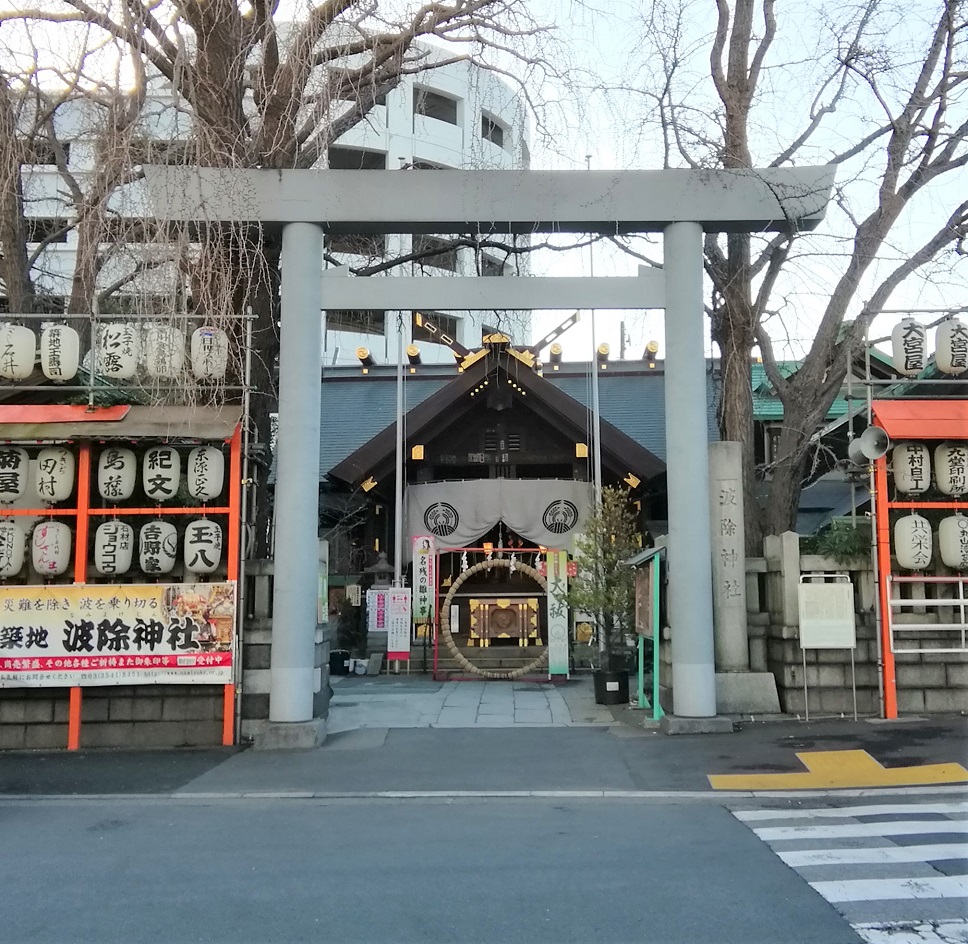
Remotely navigate the beloved Chuo-ku, rosemary sea.
Following the end of the "Shrine Appearance Shrine around Kayabacho Station and Hatchobori Station" series, a new series "Slightly worrisome Shinto Shrine in Chuo-ku" will be launched this time.
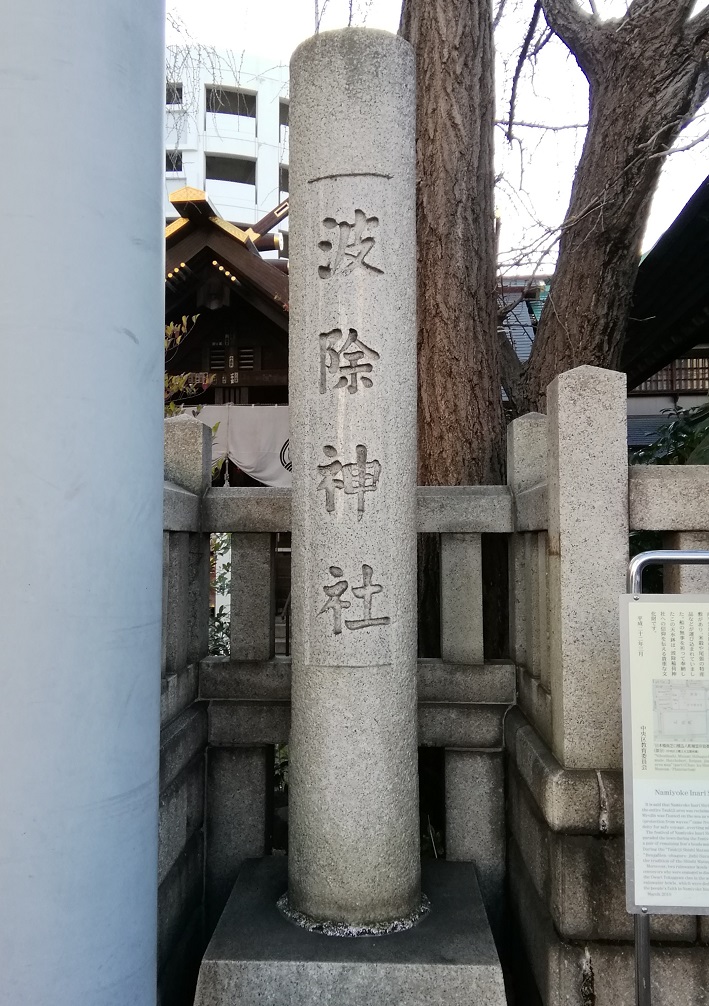
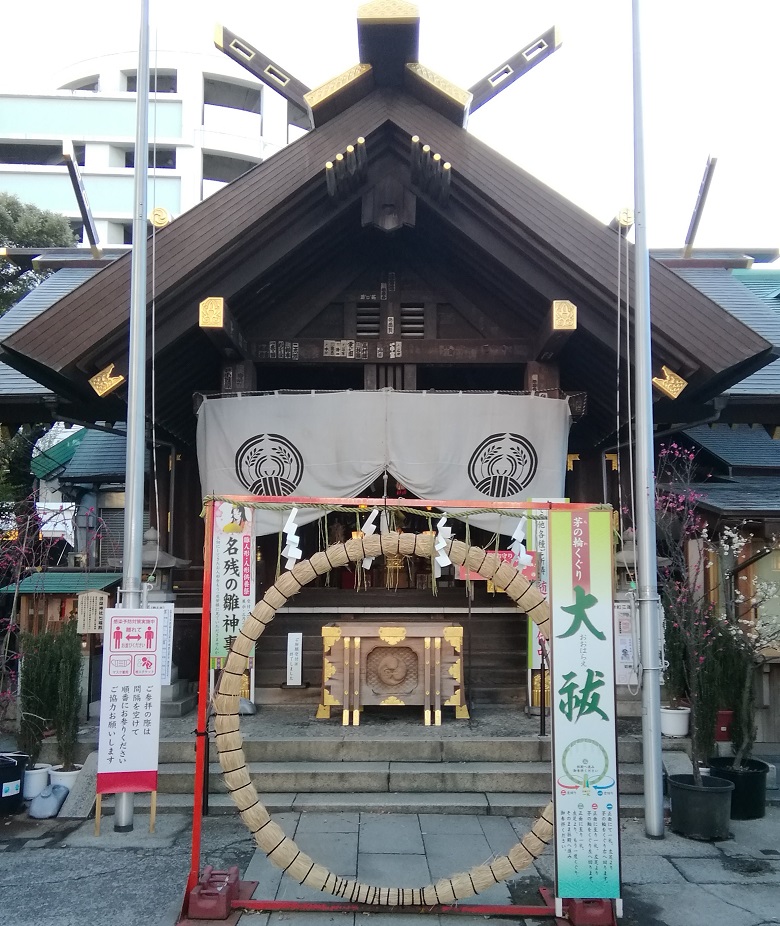
This time, we will introduce Tsukiji's Namiki Shrine (Nami Yokejinja: both Nami Inari Shrine).
Then...
A long history
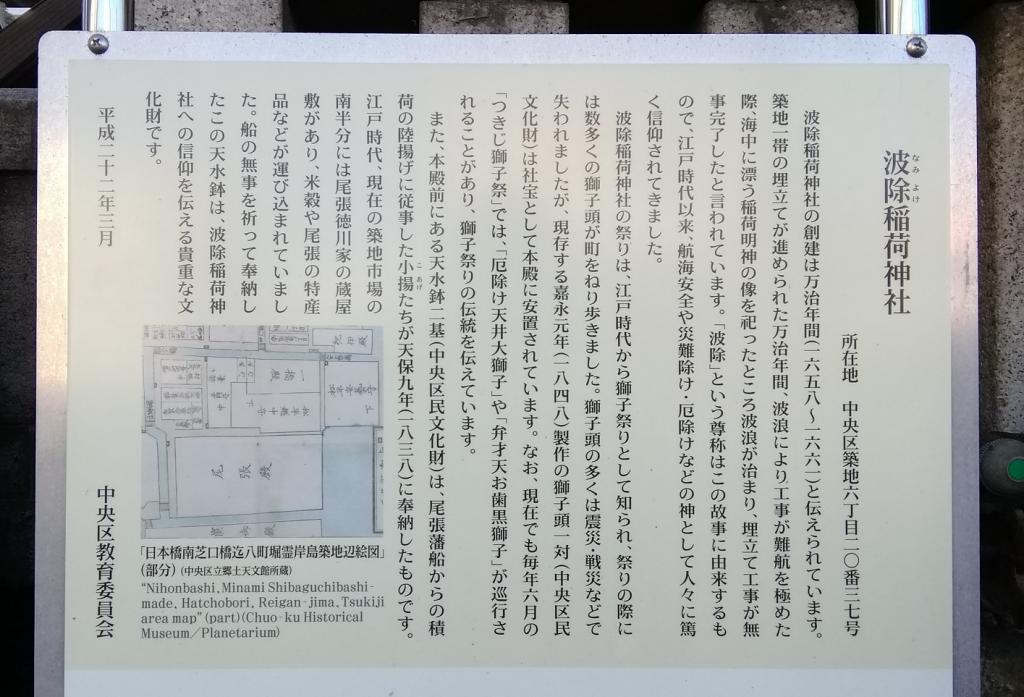
It is said that the construction of Namiwa Inari Shrine was founded during the Manji period (1658-1661).
It is said that during the Manji period, when the landfill of the Tsukiji area was advanced, when the construction was extremely difficult due to the waves, the waves subsided when the statue of Inari Myojin floating in the sea was worshiped, and the landfill work was completed successfully. .
Since the Edo period, people have been religiously worshiped as gods such as voyage safety, disaster relief, and protection against misfortune.
The festival of Namishi Inari Shrine has been known as a lion festival since the Edo period, and during the festival, many lion heads walked around the town.
Most of the lion heads were lost due to the earthquake and war damage, but the surviving pair of lion heads (Chuo Ward Cultural Properties) produced in the first year of Kaei (1848) is enshrined in the main shrine as a corporate treasure.
Even today, at the Tsukiji Lion Festival in June every year, "protection against misfortune Ceiling Lion" and "Bensaiten Denture Black Lion" sometimes go around to convey the tradition of the Lion Festival.
In addition, the two Tensui bowls (Chuo Kumin Cultural Properties) in front of main hall were dedicated to the unloading of cargo from the Owari clan ship in Tempo 9 (1838).
In the Edo period, in the southern half of the former Tsukiji Market, there was a warehouse of the Owari Tokugawa family, where rice grains and special products of Owari were carried in.
This water bowl, which was dedicated to praying for the safety of the ship, is a valuable cultural property that conveys the religion of Namiwa Inari Shrine.
-Chuo-ku Board of Education explanation board (partial reorganization)-
About 350 years ago, this area around Tsukiji was a whole sea.
In the Keicho era Edo picture at the time of the opening of Edo (1603), Shioiri is drawn to the moat of the current Hibiya, and the ship government office can be seen on the coast of Yaesu.
The Edo-South Sea Reclamation, which began before the opening of the Edo Castle Nishimaru, began to be buried from Hibiya inlet with the deep-fried soil of the moat. Later, he took the name of the landfill officer and was named Owaricho and Kagacho.
Seventy years later, after the great fire of the Meiryaku era, it was Tsukiji Sea surface that the last landfill construction worked by the fourth Shogun Iezuna was extremely difficult.
Whether you build or build dike, you will be exposed to the waves.
One night, there was something floating on the surface of the sea, and when people wondered and left the ship, it was the fine sacred object of worship of Inari Oga.
All of them were in awe, and they built and worshiped shrine hall in their present location, and had a grand festival.
However, since then, the waves had settled down, the construction was easy and the landfill was completed.
It was 1659.
People are surprised at the new virtue of the virtue, give Inari Oga the honor of "Namizo", obeys the clouds, <dragon> that obeys the wind, and <lion> that ignites all things with a single voice. It was the beginning of the festival "Tsukiji Lion Festival" that a huge head was dedicated and carried around it.
Since then, until now, there has been a strong reverence in the sacred virtues such as disaster elimination, exorcism, business connection, construction safety, etc., as "overcoming the waves except for disasters."
The sacred virtue has become larger and larger since then, and Tsukiji, which was a remote area at the time, opened as soon as possible, and became a downtown area as it is now.
-From the homepage of Namiki Shrine
※ This sentence is also posted in shrine office.
Lion hall
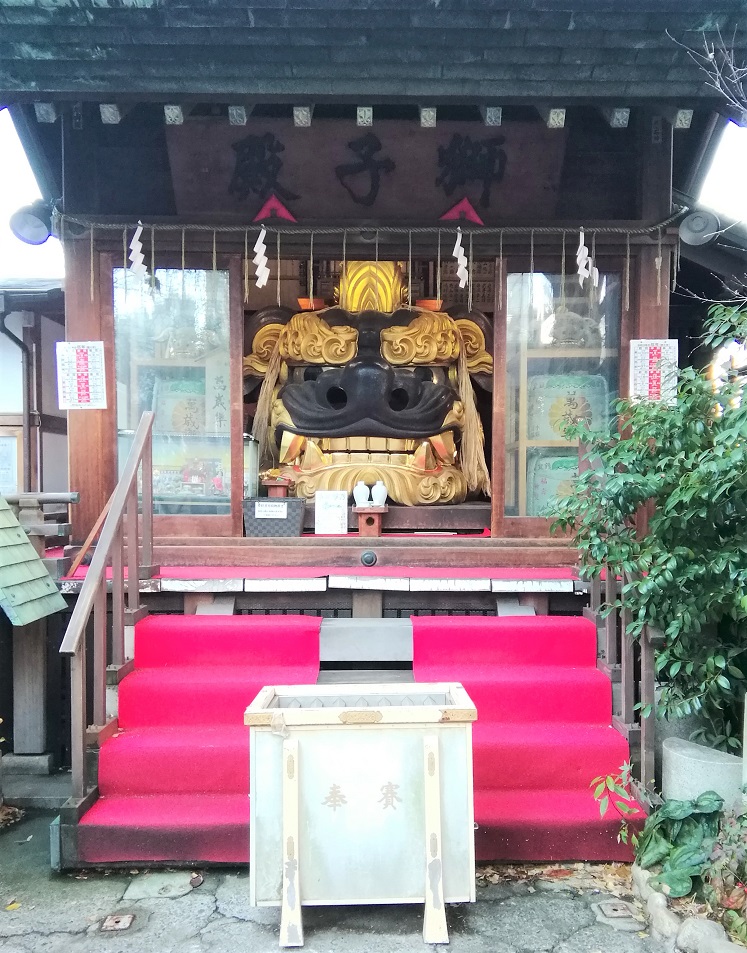
It's on the right side of the temple.
It is enshrined in the "Ceiling Ceiling Lion".
auxiliary shrine Benzaiten Shrine
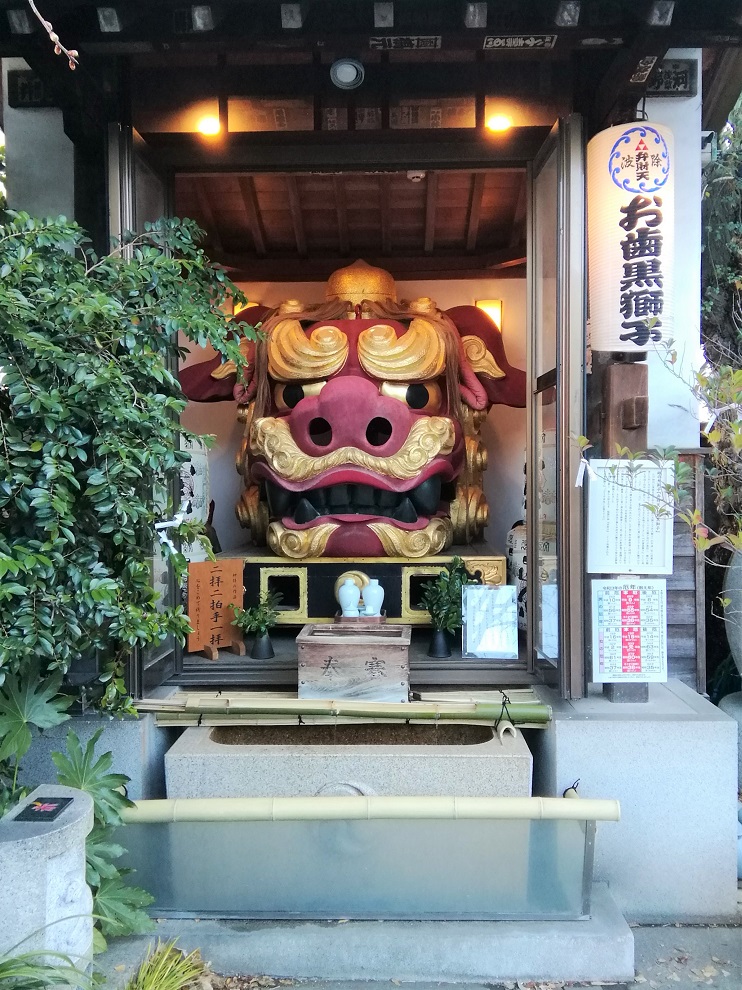
It is located on the left side of the temple grounds, facing the lion hall.
"Tooth Black Lion" is contained.
In addition, behind the head office, it is said that a pair of lion heads of the Chuo Ward Cultural Properties and a blue dragon and white tiger are displayed.
In addition, it seems that the shrine large mikoshi is also enshrined.
Egg mound
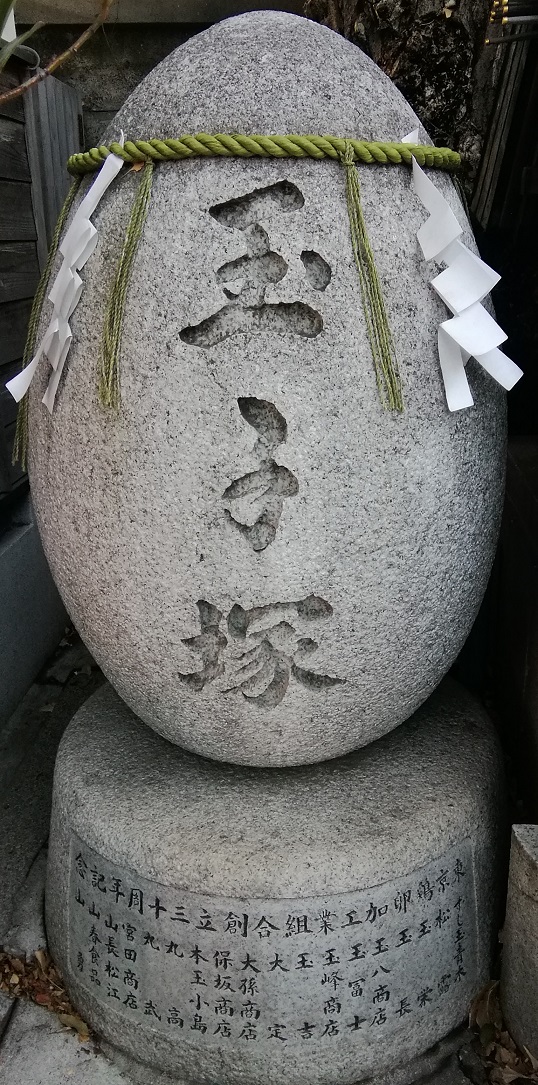
It is on the left side of the precincts, next to the right of auxiliary shrine Benzaiten Shrine.
In 1993, the Tokyo Keiran Processing Industry Association was erected to commemorate its 30th anniversary.
The purpose is to memorialize the used eggs and to honor people that the eggs are excellent ingredients.
On the pedestal, there is also an inscription of "Daisada", which Rosmari visits and writes articles.
From the back ...
Kombuzuka, Okitsune-sama, clam stone, live fish mound, angler mound, Ebitsuka, Sushizuka
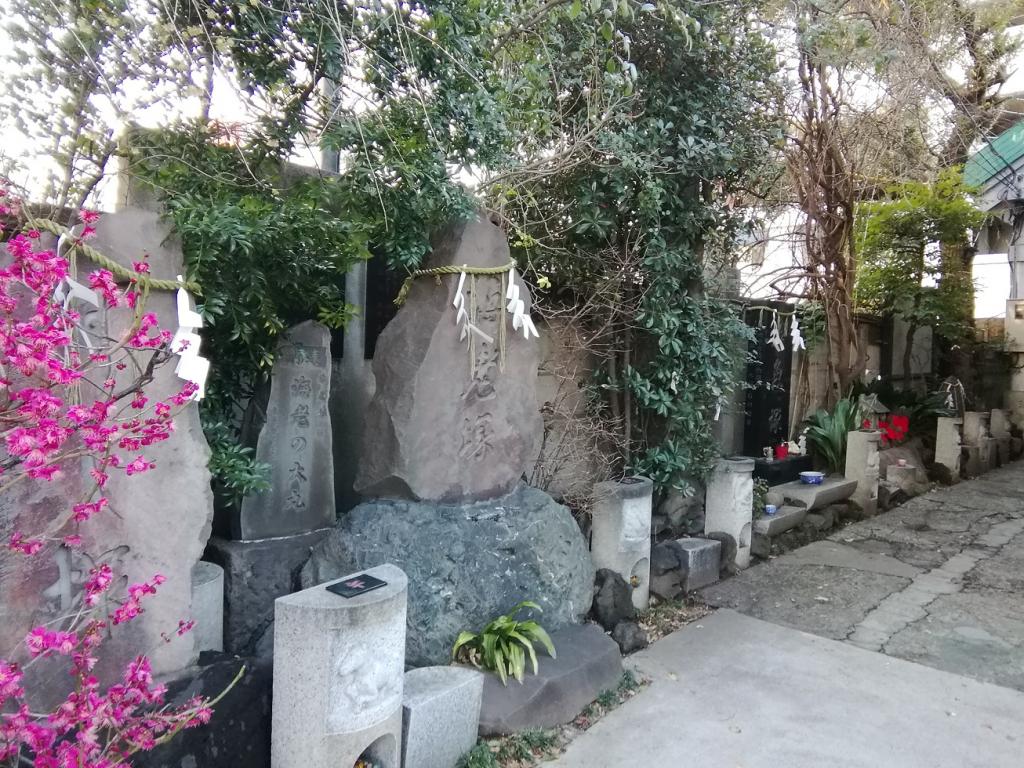
On the left side of the precincts, there are mounds for the memorial service of fish spirits.
The "Sushizuka" in the foreground is hidden in the plum blossoms.
There is subsidiary shrine just before this, and the Tamagozuka, which I mentioned earlier.
Dedicated Yoshinoya Monument
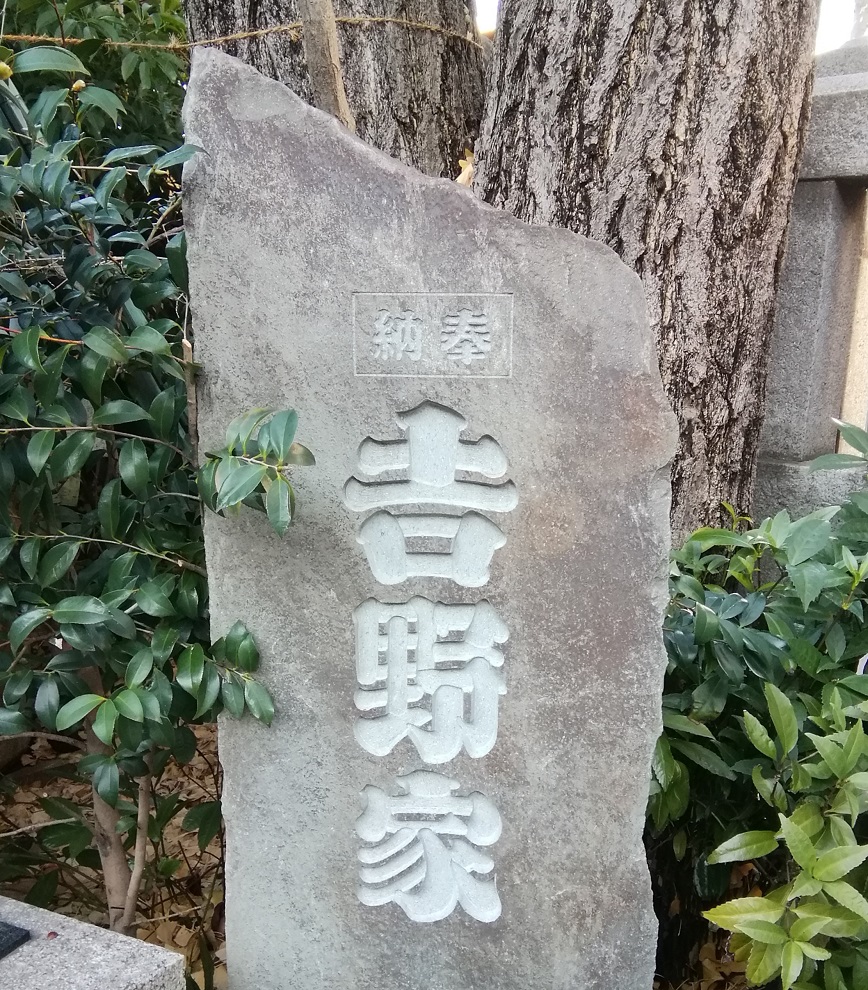
Here in Tsukiji, there was a restaurant in Yoshinoya, a beef bowl.
Yoshinoya's history began when it opened in 1899 on the shores of the formerly prospered fish in Nihonbashi.
The name of the shop is said to have been named by Yoshinocho, Osaka, the birthplace of the founder, Eikichi Matsuda.
Later, due to the effects of the Great Kanto Earthquake, it was relocated to this area along with the fish shore in 1926.
The store was destroyed by the Great Tokyo Air Raid, but immediately after the end of the war, it resumed business at the stalls.
And in 1959, we opened the first Tsukiji store.
Initially, the ingredients included seasonal seasonal ingredients and tofu, but people working in the market order beef bowl because they want to eat beef.
Mizuho Matsuda, the second president, improved the menu in response to such thoughts.
We created a simple beef bowl that uses only more beef and onions to deepen the taste.
This beef bowl was loved very much in the market, quickly spread to various places, and became a national food that filled the stomach of Japanese people.
In 2016, with the relocation of the market again, "Tsukiji No. 1 Store" will also be relocated.
Yoshinoya's beef bowl, which has been patronized by many people for a long time in this area, is exactly the taste brought up in this area.
-From the explanation board that is attached.
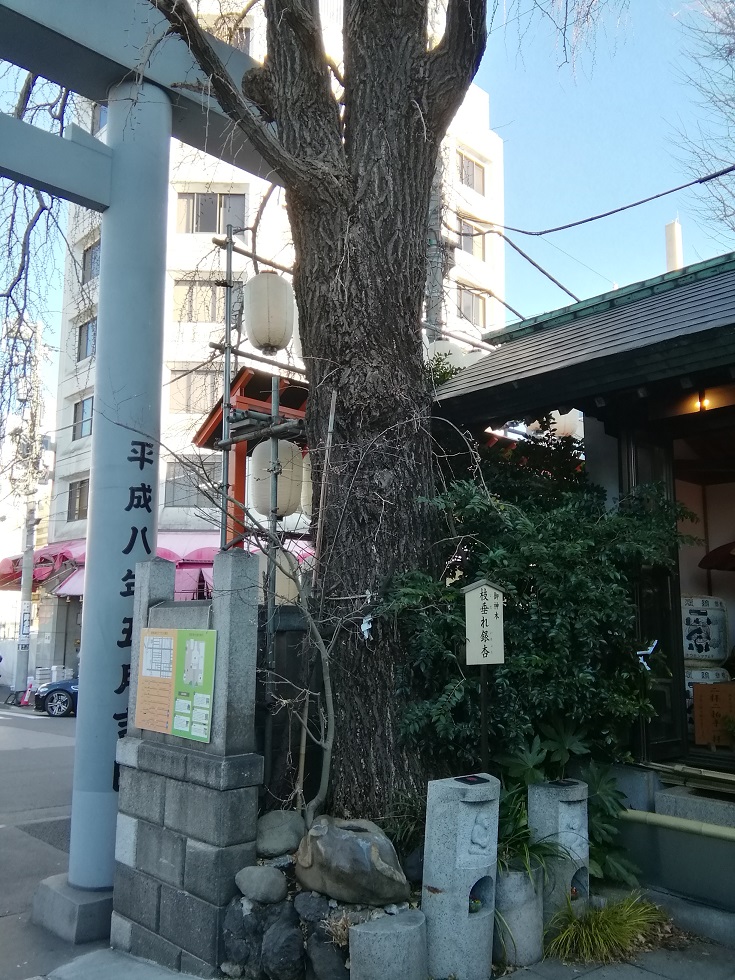
It is on the right side of the temple grounds, next to the right of the lion hall.
On the right is a votive fish monument and a votive Benzaiten fish monument.
I would like to show you this time as well. This is the 38th session.
"Tsukiji" In other words, "fish", this connection can be associated with "Gonsuke Zaka", "Shibahama", "Yakan", and "Telesko".
Gonsuke fish was shown on January 21, 2021, and Shibahama was shown on July 9, 2020, so this time I chose Teresuko.
It can not be said to be a "classical", but it is not in the form of "Edo is the original".
<Preliminary confirmation corner>
Fire break (string) ...
It is also called "out of fire" and refuse food through fire as a wish.
"Teresuko,"
I got a rare fish in a fishing village. The fisherman also doesn't know the name.
I'm going to ask magistrate's office, but there's no reason for the officials to know.
So he puts a high bill saying, "If you know the name of this fish, you will use a hundred cars."
A merchant named Tadoya Shigerubei says, "This is a fish called" Teresuko "."
There is no way to see if it is a lie, and the hundred cars are handed to Shigerubei.
The magistrate, I think of a total.
We make this fish a dried fish and put out a high bill again saying, "If you know the name of this fish, we will use a hundred cars."
Once again, Shigerubei said, "This is" Sterenkyo ".
Shigerubei is connected to the prison.
Shigerubei, who has been sentenced to be bowed, will be able to meet his wife and child with his last wish.
A wife with a baby drinker, a thin figure, and if you hear it, he says he is "cut off fire."
Shigerubei "Even if this child grows up, never let the dried squid be called squid squid."
The magistrate who heard this said, "I have an excuse, I will tell you innocent."
The skin of the neck is connected with one piece of squid.
That should be the case, because the wolf did "break fire (= dried fish)".
Hajime Shrine
6-20-37, Tsuiji
At the back of Tsukiji Outer Market, it will be at the end of Namiki Street.
Click here for the homepage of Mr.