Official
The 39th Nohgaku Kinshun Festival Street Votive Noh
~ Ginza Kinshun Street ~
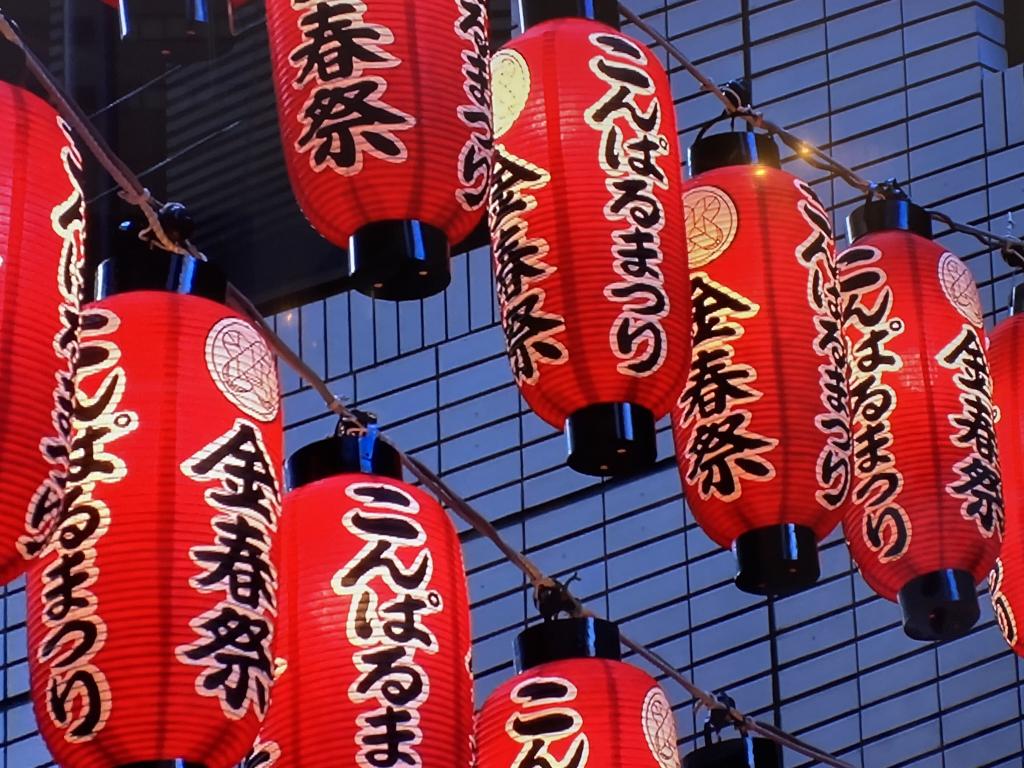
Around Kinshun-dori in Ginza 8-chome, there was a mansion of Noh Kinshun-ryu in the Edo period. He was given land and salary as a Noh actor directly under the Shogunate. Among the Yotsuya of Kinshun, Kanze, Hosho, and Kongo, the oldest Kinshun family has prospered since the Muromachi period, and has been performing Noh in Edo with Kanze Tayu since the early Edo period.
Even after the Meiji era, he has left his name on Kinshu Street and Kinshun Geisha, and still retains its name in Kinshunyu.
The Noh Kinshun Festival began in 1985 to inherit Edo culture.
The Noh performances performed on the street of Kinshu Street on August 7 are all Noh performances unique to Nara Kinshun, which boasts a millennium old ritual, praying for peace and rejoicing Taihei.
"Enmeikanja," "Father Lieutenant," "Suzunodan," and "Yumiya Tateai."
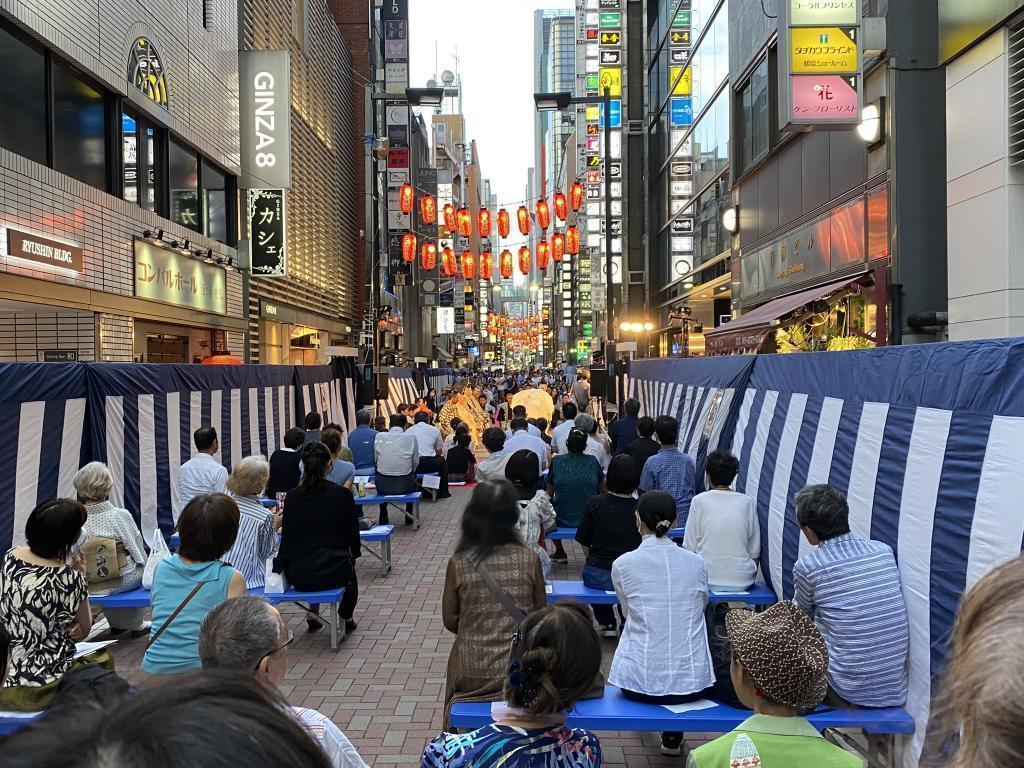
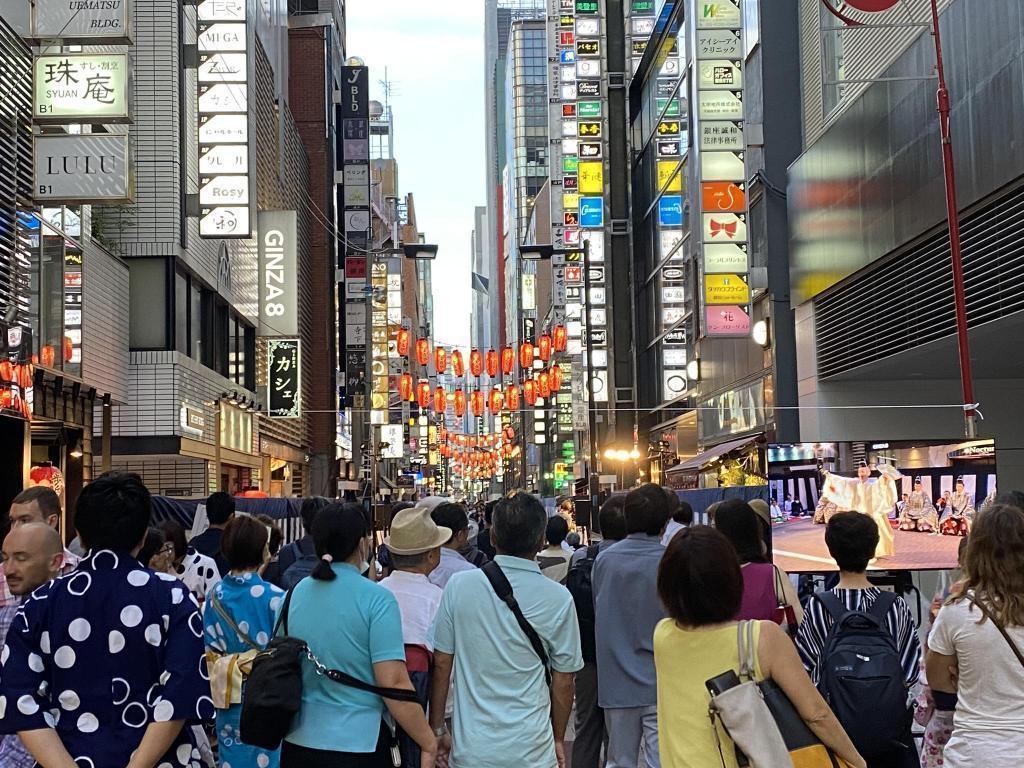
Every year, on the last day of the Golden Spring Festival, Noh performances are performed on the streets of Kinshun Street.
It is a series of unusual songs, such as "Enmeikanja", "Father Captain", "Suzunodan", and "Yumiya Tateai".
These are all songs dedicated every year at the firewood Noh at Kofuku-ji Temple in Nara and the On Festival in Kasuga Wakamiya.
All are old votive songs from before the Zeami era, and the characteristic of the Konharu style is that the lyric emblem inherits the old style.