 Official
Let's go around the town on a tour of "Tokyo Mannaka ippindo"
Tsukuda and Tsukishima edition
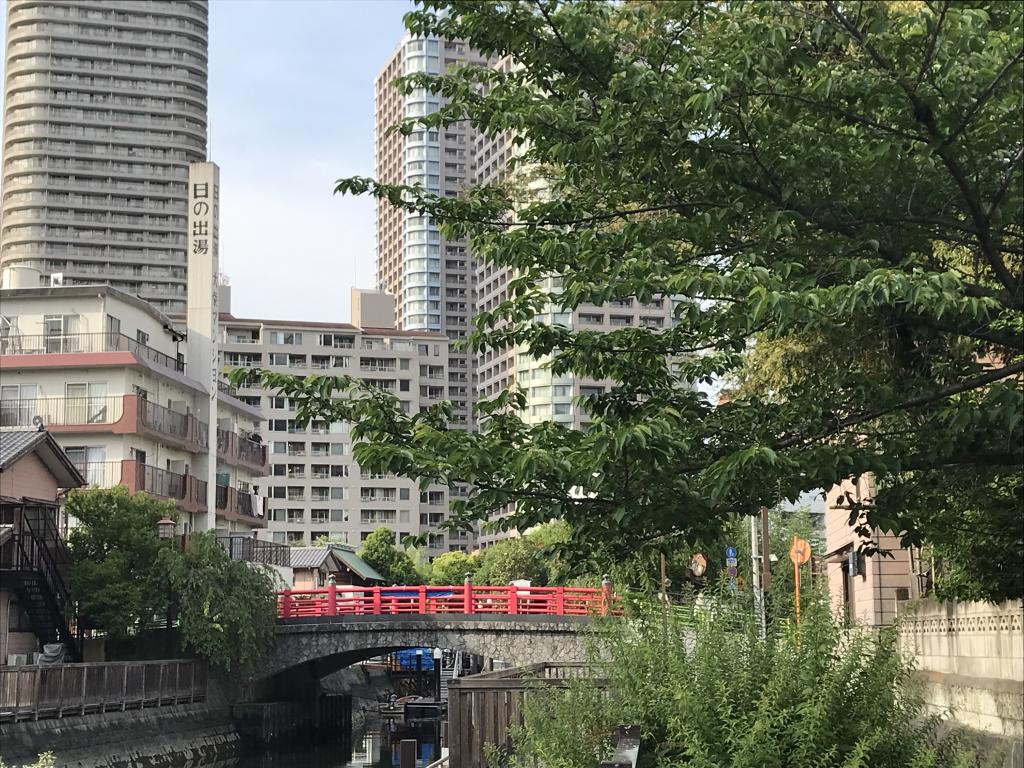
Tsukuda Island was ordered by Ieyasu Tokugawa at the beginning of the Edo period, and was given 180m square at the mouth of the Sumida River from the Shogunate and reclaimed it, and 34 fishermen moved from Tsukuda Village, Settsu Country, Osaka. Tsukishima was reclaimed in the Meiji era. We will guide you to Tsukuda and Tsukishima, where high-rise buildings and old townscapes coexist, avoiding the subsequent earthquakes and war disasters. Please enjoy with the view of the Sumida River.
The meeting is located above the A1 exit of Kachidoki Station on the Toei Oedo Line.
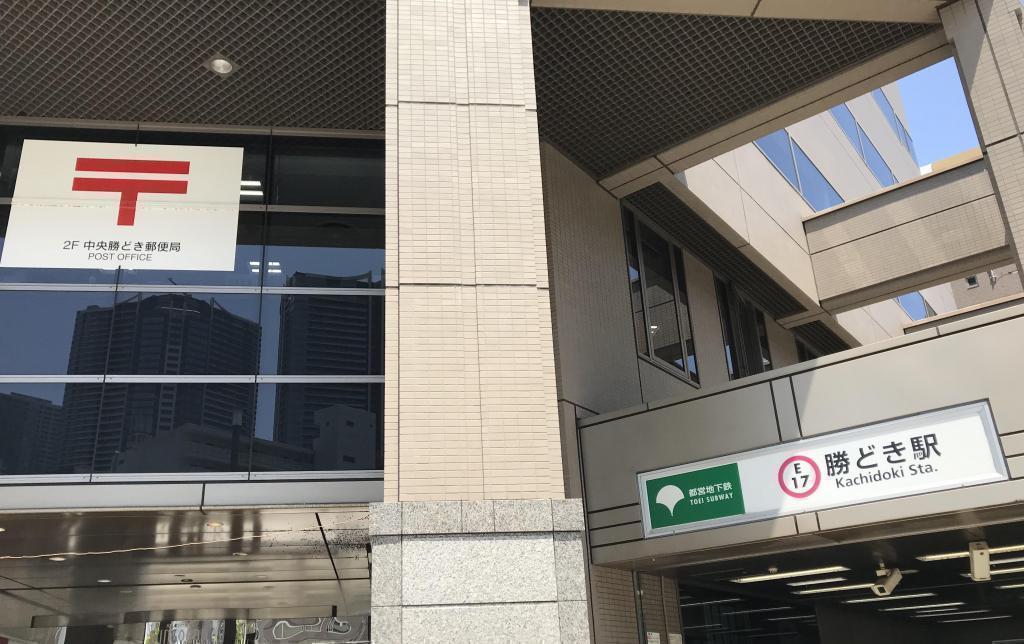
The tour starts from Kachidoki Station, the nearest station in the Harumi area, where the Olympic Village of the Tokyo 2020 Olympic and Paralympic Games was located.
View of Kachidokibashi from Tsukishima River Suimon Terrace
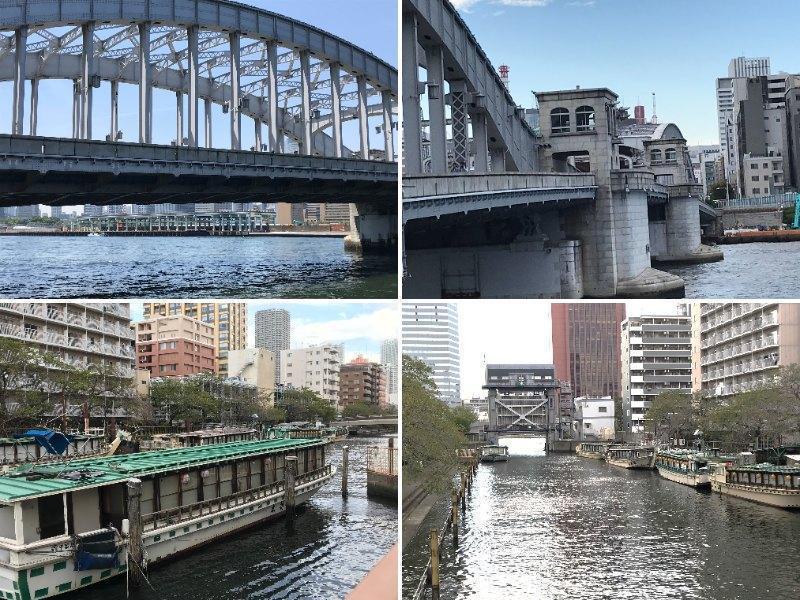
You can see "Kachidokibashi" over the Sumida River. Completed in 1940, this bridge was a bouncing bridge made entirely by Japanese engineers from its design, and was called a movable bridge at Yoichi Azuma when completed. Toden ran on the track of the tram, and when the ship was operated, it opened and closed five times a day, but the amount of ship operation decreased and the traffic on the road increased, and the last opening and closing in November 1970 (1970) It is still suspended.
If you think of how large ships used to pass, you will want to see it again. It was designated as a national important cultural property in 2007 (2007).
Nearby the Tsukishima River, which connects the Sumida River and the Asashio Canal, flows, and at the entrance there is the Tsukishima River Water Gate to protect the city from floods. Ships float on a small river with a total length of 530m, and goby fishing people can be seen on the riverbank. It is a path of peaceful scenery.
Monja Street
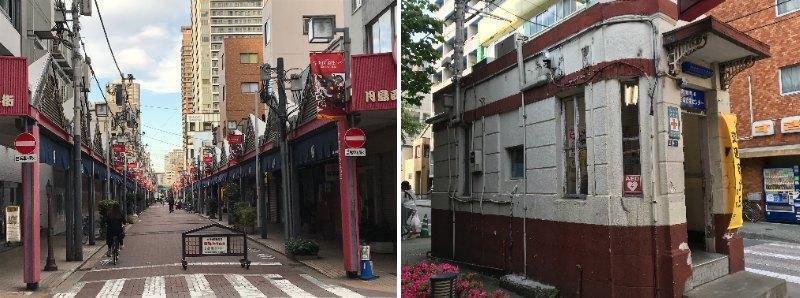
There are monjayaki shops that represent the downtown area of Chuo-ku. Tsukishima Nishinaka-dori Street, west of Kiyosumi-dori St., is a shopping street called Monja Street.
In the corner of the street, there is a police officer branch that was used as the oldest police box in the Metropolitan Police Department until 2007. Currently, police officers OBs are the bases for activities to protect local security as the "Local Safety Center".
Tsukuda Island ferryboat site - Sumida River terrace
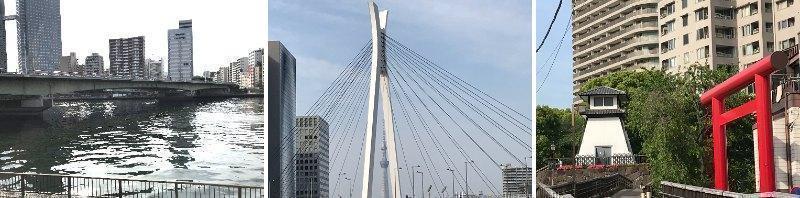
A ferry called "Tsukuda no Watari" has been running for more than 300 years since the Edo period to travel back and forth between Tsukuda Island and Edo City on the opposite bank. With the creation of Tsukuda-ohashi Bridge in 1964 (1964), "Tsukuda no Pass" has ended its role.
Walking along the promenade along the river of the Sumida River (Sumida River Terrace) gives you a view of the waterside and bridges. At the end of Tsukuda-ohashi Bridge, you can see Chuo-ohashi Bridge, which was built from Okawabata River City to Tokyo Station. Designed by a French company and imaged Japanese helmet design is used in the main tower. As you walk, there is a place where Skytree, which looks far away, enters the tower completely. This is a recommended photo spot.
Ishikawajima Lighthouse was a night lighthouse that informed the location of Edo Minato on a ship coming in from Edo Bay, and a hexagon double-layered lighthouse. Here, there is an uninhabited vocational training center proposed by Heizo Hasegawa during the Edo period, Ishikawajima Ashoroba, where students learned skills such as carpenters, plasterers, papermaking and sewing with the aim of supporting independence for light criminals. Was. Among them, oil squeezing was hard work, and I made Ishikawajima Lighthouse with that profit.
Sumiyoshi-jinja Shirine
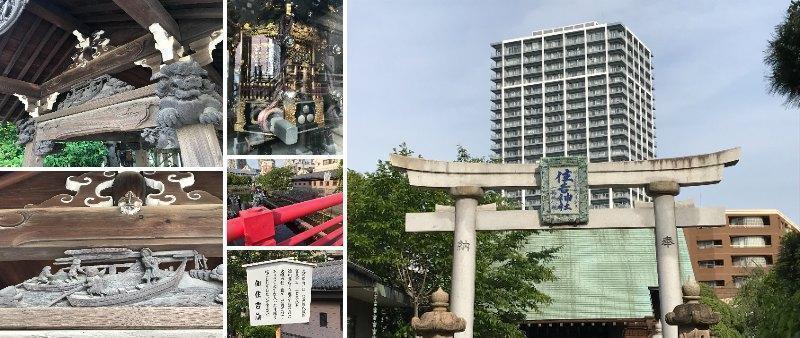
It is a god of Tsukuda Island, which was relocated from Sumiyoshi-jinja Shirine in Tsukuda-mura, Nishinari-gun, Settsu-gun. Ieyasu gave the privilege of saying, "The fisherman on Tsukuda Island can catch fish anywhere in Japan." The torii gate of Sumiyoshi-jinja Shirine is facing Edo Castle, which was west northwest. There is an embossed sculpture that stretches out the old days of Tsukuda Island, and you can see the scenery of Tsukuda's ferry, sailing boats, and Isobe. The wooden nose is carved with a dynamism figure.
The flat is made of ceramic, and the characters written by Takahitoshinno Arisugawanomiya are baked in vivid blue.
Under the red Tsukuda Kobashi, the pillars and embraces of the large banner used at the festival of Sumiyoshi-jinja Shirine are buried at the bottom of the river to prevent corrosion.
Disbanded in front of Tsukishima Monja Promotion Association Cooperative
At the Tsukishima Monja Promotion Association Cooperative at the entrance of Monja Street, you can collect information as well as purchase souvenirs unique to Monja Street. Why don't you eat lunch at Monja or walk along the waterside of Blowin' in the Wind in autumn?
Reference materials: "Chuo-ku Monoshiri Encyclopedia" Chuo-ku Tourism Association
Chuo FM "Chuo-ku Street Corner Sketch"
The Chuo-ku Tourism Association sells town walking tours guided by hospitality staff.
Since it is a private tour dedicated to the customer, you can enjoy it slowly.
Click here for details.
https://ippin-do.chuocity.tokyo/collections/all_tours