 Official
The entrance exit of the bridge? ?
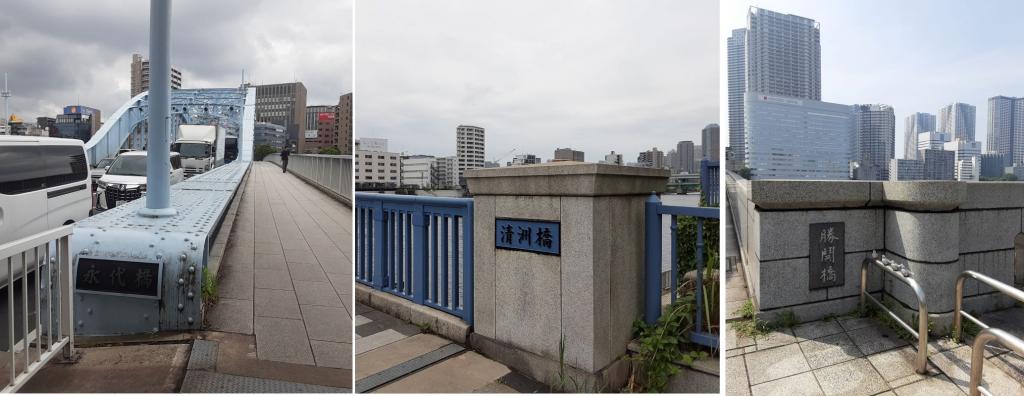
On a TV program the other day, "Many bridge nameplates are written in kanji at the entrance, and the exit is written in hiragana.
Nihonbashi is the center of Japan, so there is no entrance exit, and it is written in kanji and hiragana on the left and right."
There was an explanation.
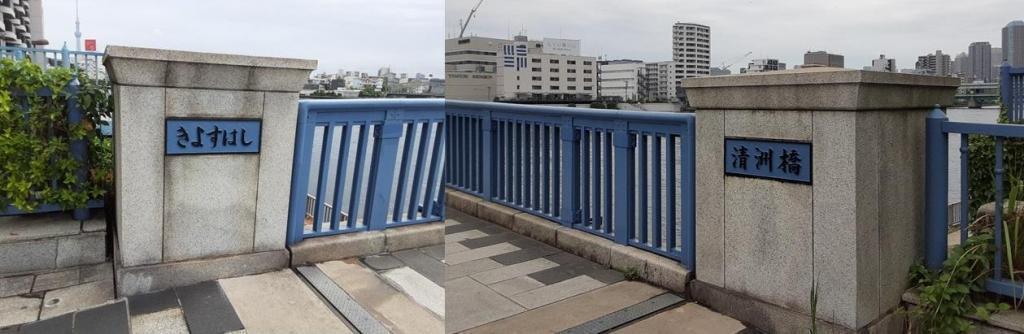
Furthermore, if you look at the website, the "bridge name plate" with the name of the bridge is written on the starting side (entrance) of the road.
From this point of view, it is written in kanji on the left side and hiragana on the end side (exit).
General (depending on the region)."
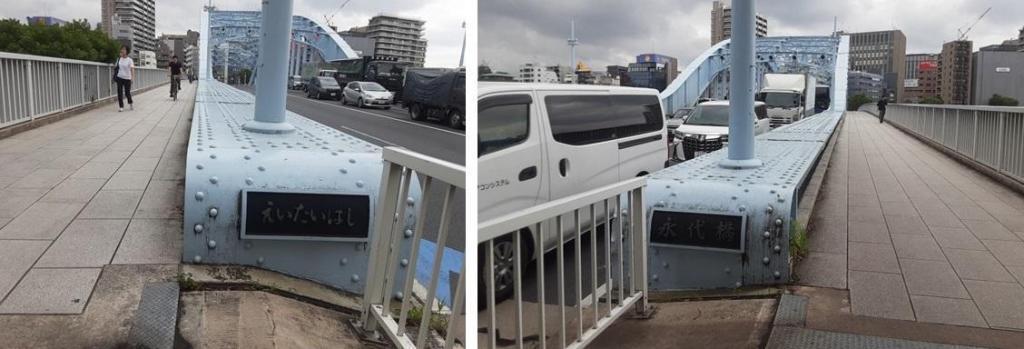
By the way, in the Taisho era, the starting point of all roads was Nihonbashi, Tokyo. We called the one near Nihonbashi as the starting point, and the distant one as the end point."
It was stated that ...
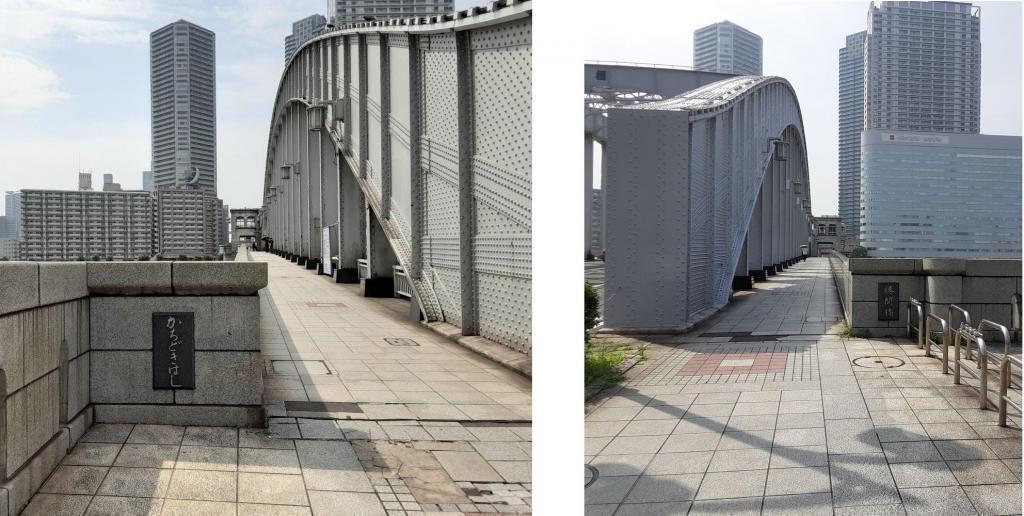
Kiyosu Bridge, Eitai Bridge, and Kachidokibashi, representing the Sumida River, are all hiragana notation on the left side when viewed from the road.
The right side is written in kanji.
(If you look at the bridge from the west side of the Sumida River or near Nihonbashi, the left side is hiragana notation, and the right side is kanji notation.)
When you look at Kachidokibashi from the Tsukiji side, you can see the left "Kana" and the right "Kanji".
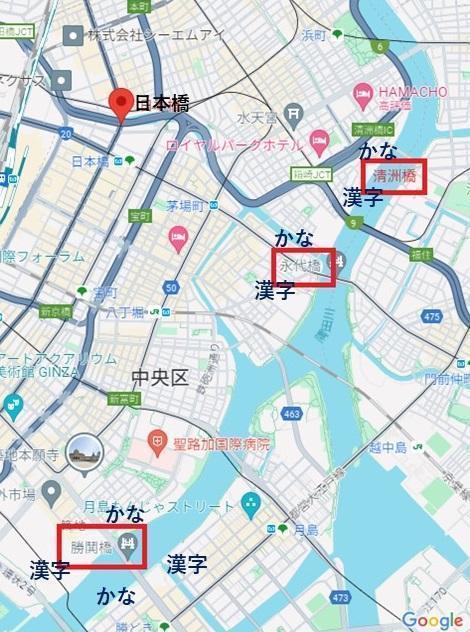
This position is shown on the map.
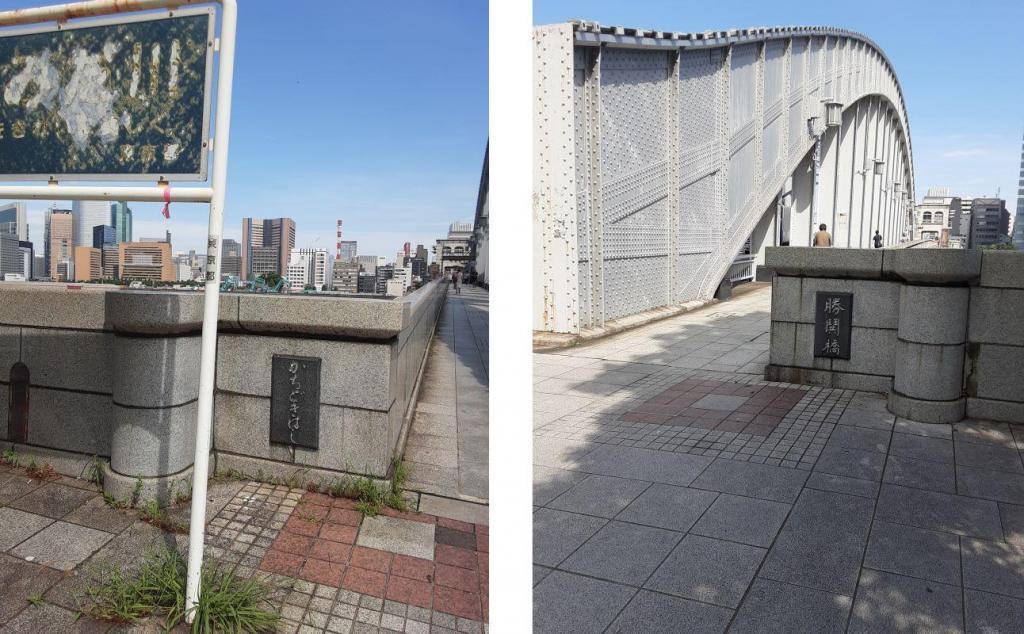
The bridge nameplates of "Kana" and "Kanji" are located on the diagonal line, so if you look at Kachidokibashi from the Kachidoki side, you can see them.
"Kana" on the left, "Kanji" on the right.
How do you interpret the explanation of the bridge name plate at the beginning? 。