 Official
~ Hundred Flowers Ryoran ~
The World of Imari
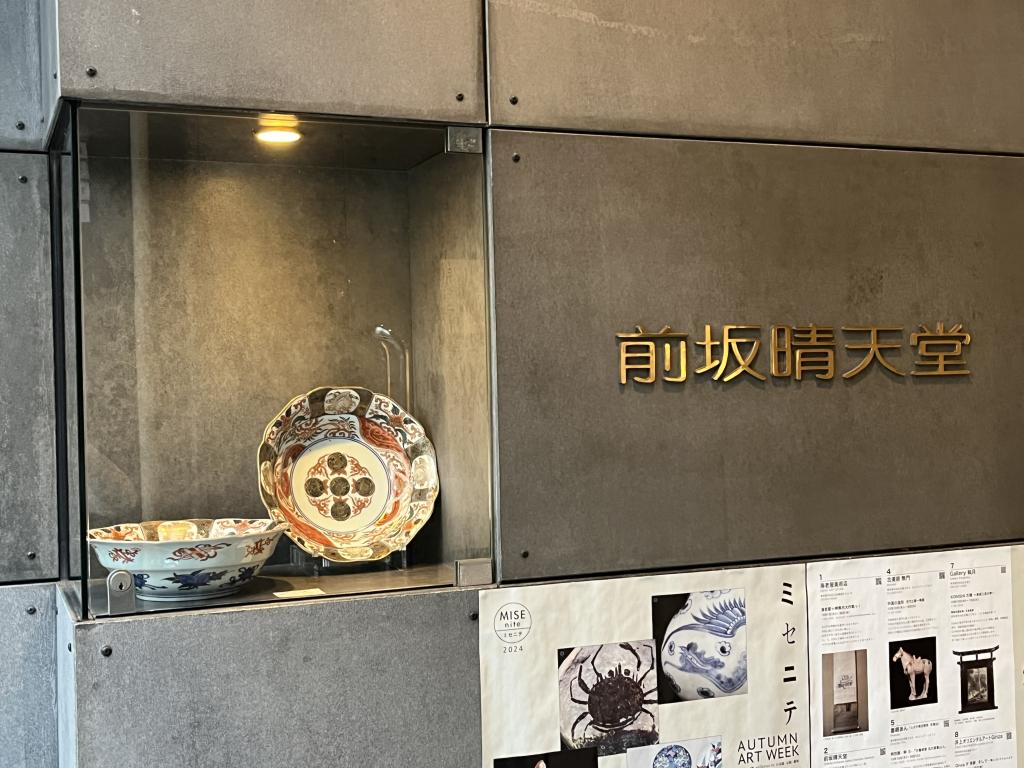
"Tokyo Art Antique", which is held every spring, is a fun event. Above all, the old Imari of "Maesaka Hoseido" in Nihonbashi will forget the time when you look at it.
There was an exhibition for 5 days from October 11th to 15th this fall.
Old Imari
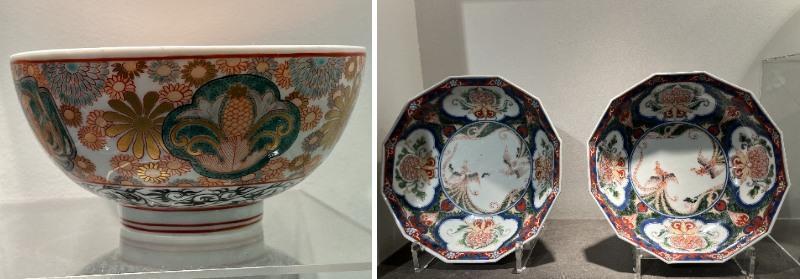
This is the first porcelain in Japan that was born in Arida Hizen during the Edo period. The gorgeous brocade was made for Japan during the Genroku era as a privileged class luxury tableware at the time, such as Australian farmers and Australian merchants.
Kakiemon
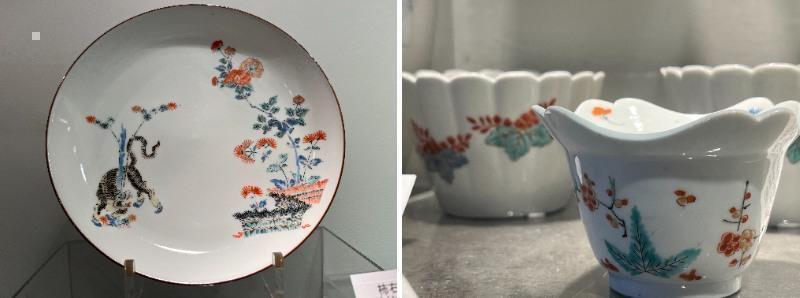
The base created by Kakiemon is soft and warm pure white and enhances the color picture. This white refers to rice sharpening juice in the dialect of "Nigoshide" Saga region.
The brave tiger looking at the flowers of peony and wisteria hakama is strange and windy.
Kakiemon was sent from Imari Port as a high-class tableware at the time attracted European royal nobles. The German Augst King is strongly influenced by Kakiemon and is included in the collection, and the high technology and aesthetic sense of Japanese people contributed to the birth of "Meissen porcelain".
Kokutani / Yoshidaya
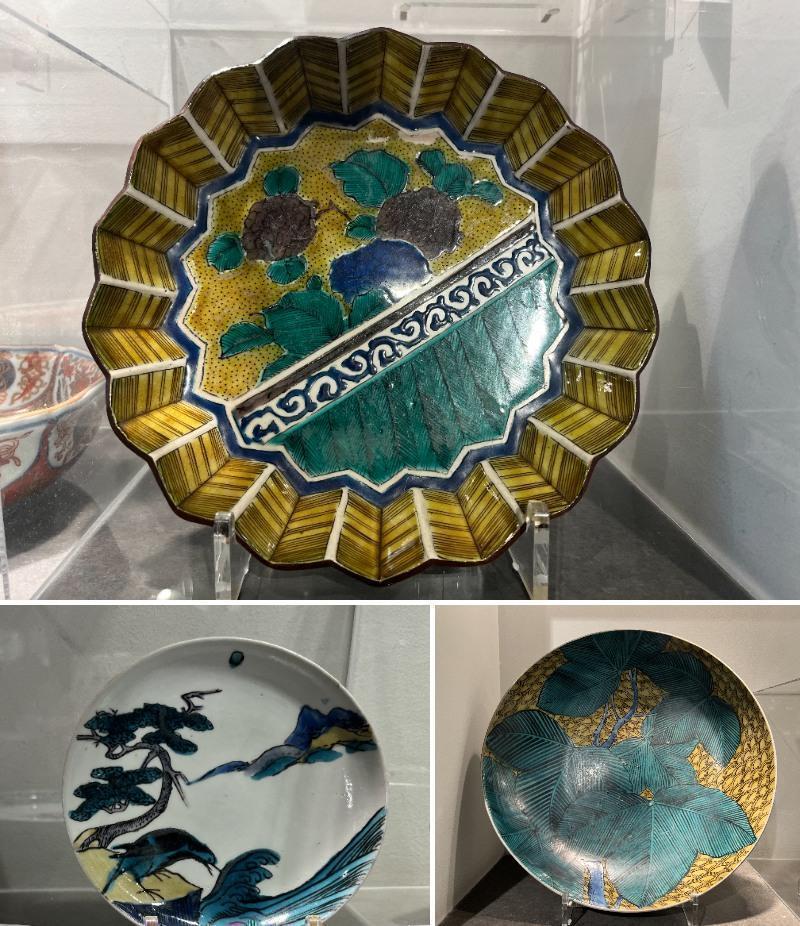
Dennemon Toyoda opened the Yoshidaya kiln in 1824 in Bunsei 7 (1824) to rebuild the old Kutani, which has been passed down to the Kaga and Maeda families. This year is 200 years. The Yoshidaya kiln has made great achievements, and since then many kilns have been built in Kaga and developed into a major ceramic industry, which has been passed down to the present Kutani porcelain. Among the colored porcelain, it is highly regarded along with Kakiemon, Komari and Shiki Nabeshima and is known for its colorful overpainting.
Nabeshima
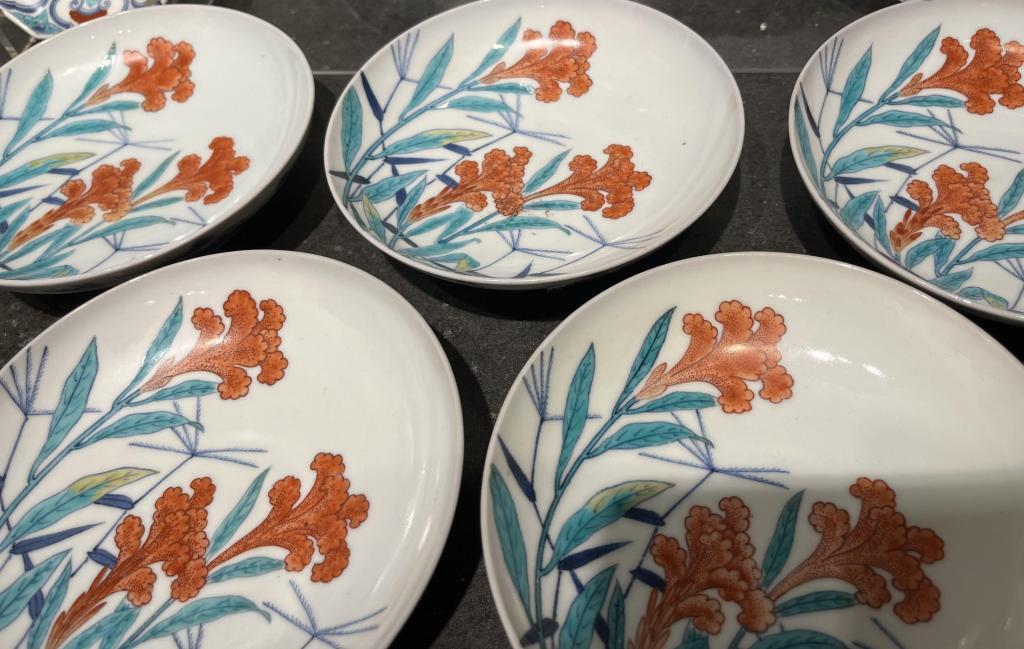
During the Edo period, vessels made with high technology as kilns for the Nabeshima family of the Saga clan were prized as gifts and gifts.
The photo shows "Nabeshima colored chicken head sentence five-six-six dishes five guests", a valuable dish of five guests with three chicken head flowers and female shiba. Chicken head is a Kichijo flower that means success in China, and has been written in Manyoshu since ancient times as autumn flowers in Japan.
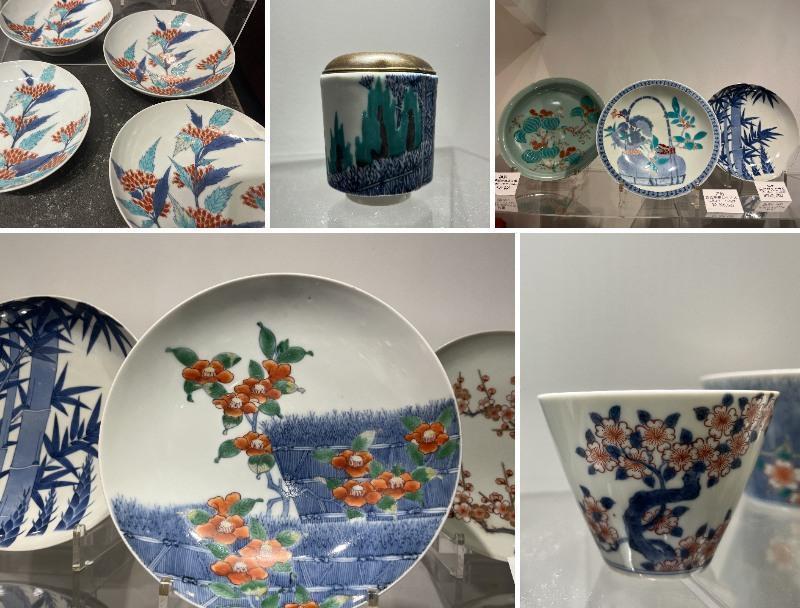
Nabeshima is one of Japan's leading porcelain in Saga Prefecture, but unlike Imari ware sent in Japan and overseas, it was produced only in kilns limited by the order of feudal lord for special purposes such as gifts and gifts. Okawachi, where the kiln was located, was also called a "secret kiln village" to prevent leakage of technology.
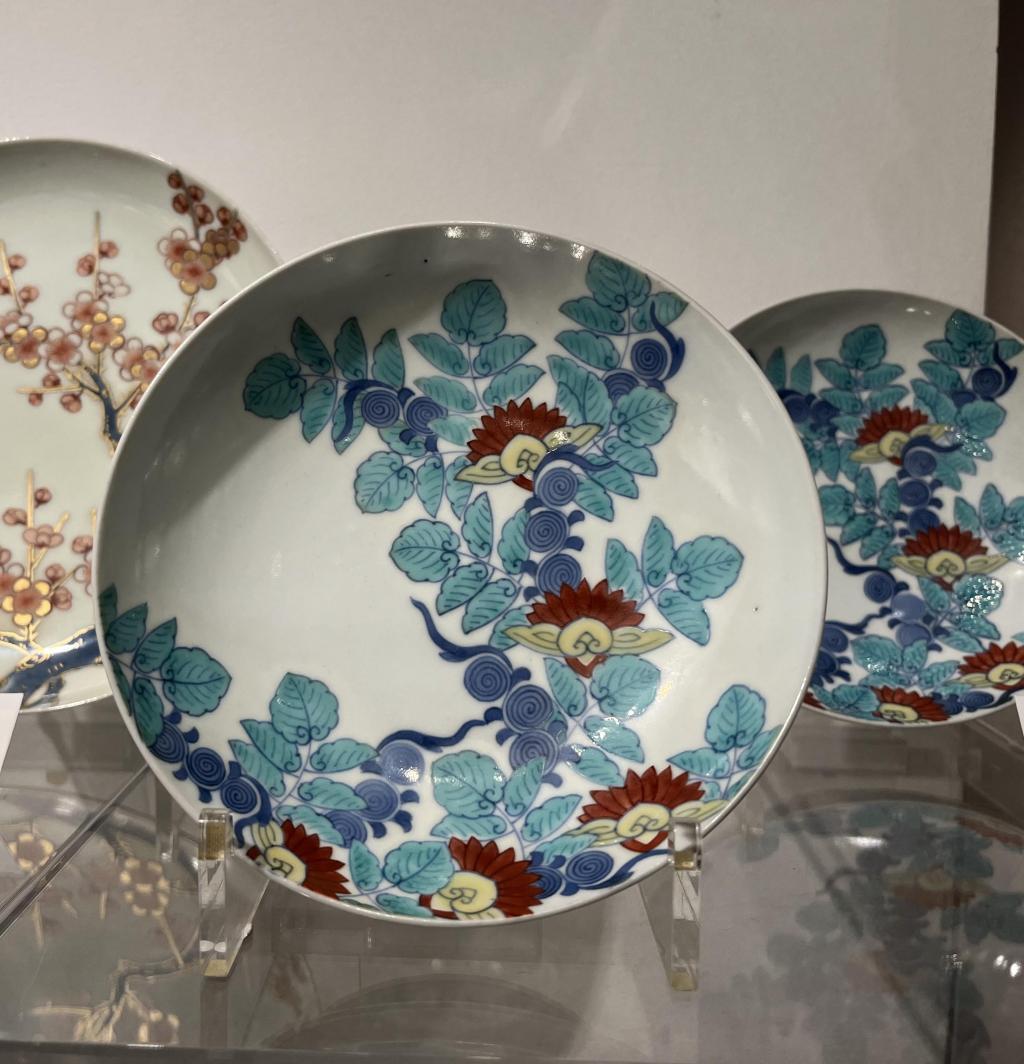
The pattern is made of familiar subjects such as plants and vegetables, excellent composition, precision technology and beautiful colors, and works that were only available to the lord in the past could be picked up for more than 400 years `` Maesaka Hoyodo '' Blooming in When you visit the shop, you will feel the happiness of being able to see it nearby.
Store information
Thank you very much for teaching me to Mr. Maesaka.
Thank you very much.
Nihonbashi Store in Maesaka Hoyodo Tokyo
〒103‐0027
3-7-10 Nihonbashi, Chuo-ku, Naito Building 1F
Tel.03-3527-9595