 Official
On the day of the first snake of the year of the year of the snake, praying for good luck with the guard of the snake.
NHK's Taiga drama series "Bellabo" started this month.
"Berabo" is a work depicting the life of Juzaburo Tsutaya, a publishing king in the Edo period, but Shigesaburo set up a cultivator in Nihonbashi Daidenma-cho, Chuo-ku, which also serves as a publisher and a bookstore.
That's why we can't miss the drama of Shigesaburo, which is related to Chuo-ku, as a correspondent.
Shigesaburo is also known as a ukiyo-e artist, Sharaku Toshusai, to the world.
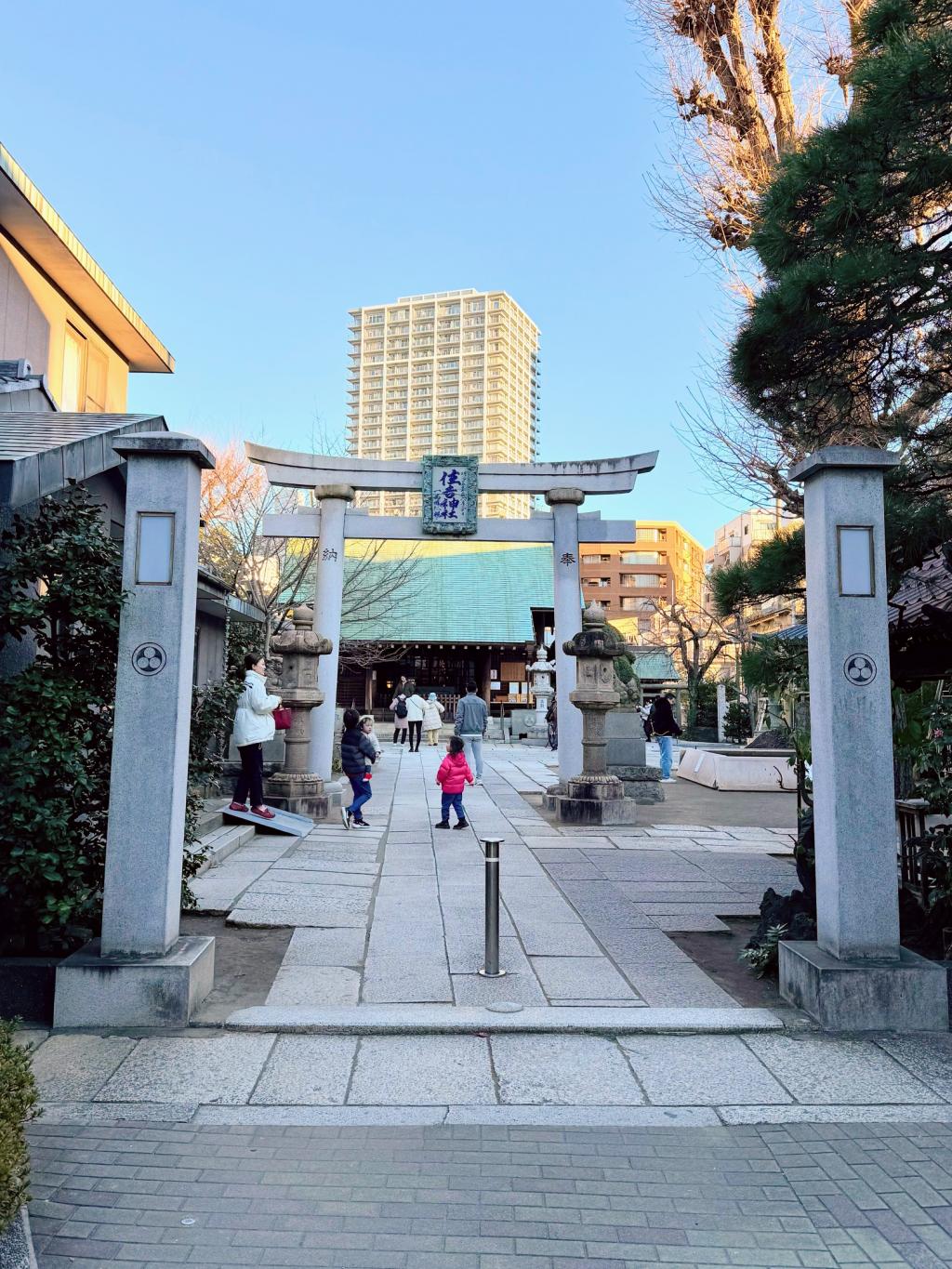
Sharaku is wrapped in mystery, but before, there was a stone monument written as "Sharaku Toshusai End Land" in the precincts of Sumiyoshi-jinja Shirine (pictured above) on Tsukuda Island. (It seems that it was removed because it was dangerous due to the Great East Japan Nihon Univ. earthquake, and it is not now.)
The drama began, and I suddenly remembered the monument, but I am very looking forward to seeing how Sharaku will be drawn in the drama in the future.
Well, the story will change.…
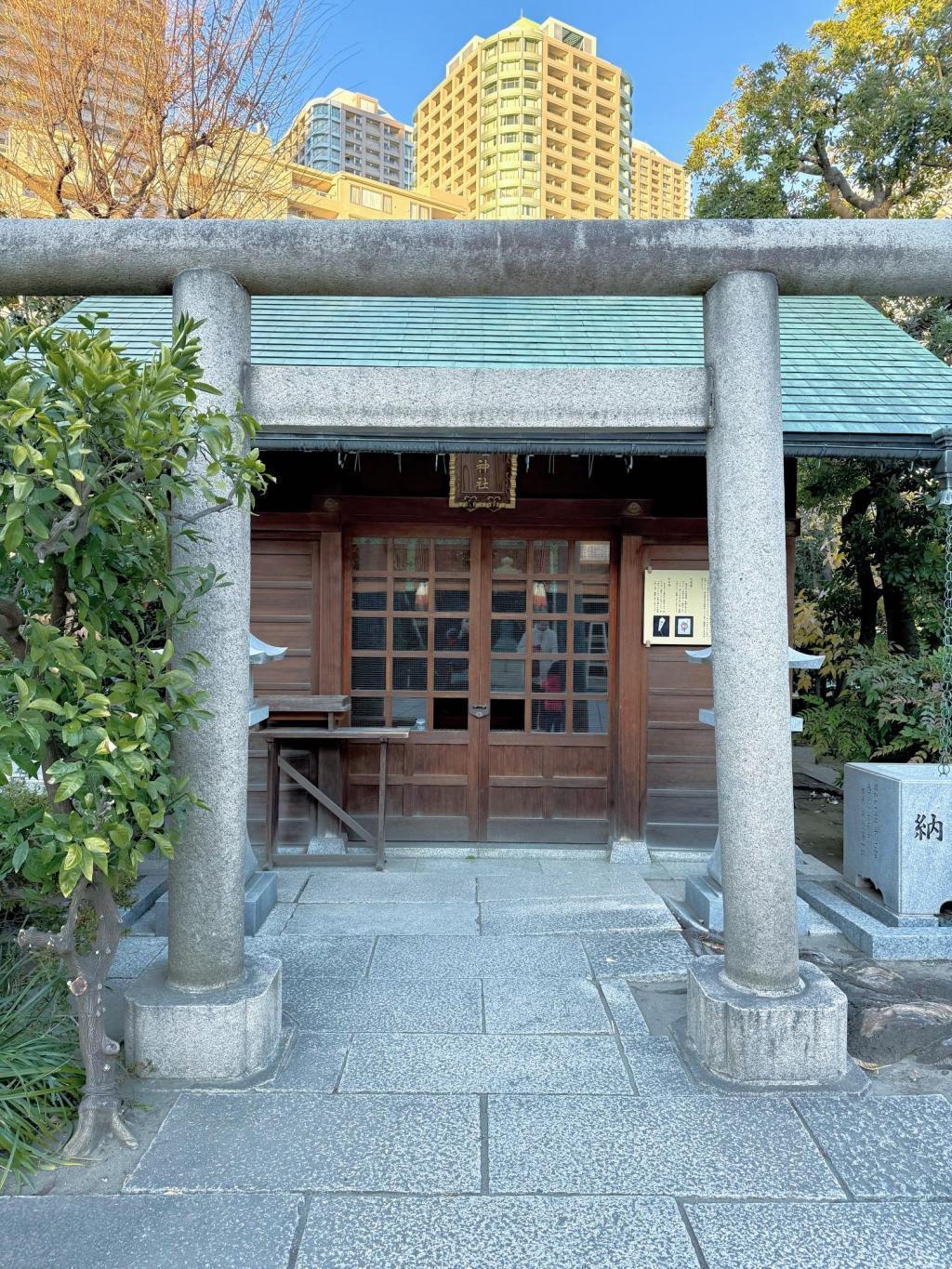
In the precincts of Sumiyoshi-jinja Shirine, there is a subsidiary shrine called Ryujinsha.
In a small company, the door is usually locked as shown in the photo, but the door is opened on the first Snake day every year.
(Photo taken the next day after the Snake Day)
This year, on the Snake Day on January 12, there was a long line of people who worshiped this Ryu Shrine.
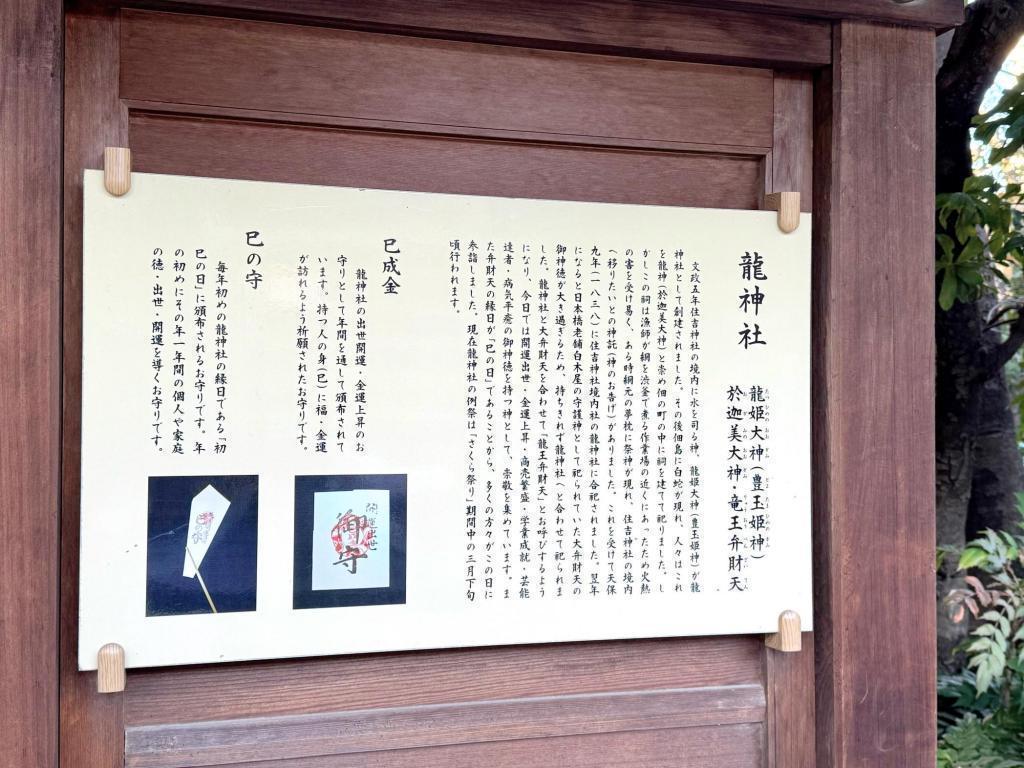
Excerpt from the description of Ryu-jinja Shrine
~ 1822 The god of water, Ryuhime Ogami (Toyotama Himekami), was founded as Ryujinja Shrine in the precincts of Sumiyoshi-jinja Shirine. After that, a white snake appeared on Tsukuda Island, and people worshiped it as a dragon god (Okami Okami), and built a shrine in the town of Tsukuda and worshiped it. However, this shrine was near a workshop where fishermen cooked nets in astringent pot, so it was susceptible to heat damage, and at one time enshrined deity appeared onoracle's dream pillow and wanted to move to the precincts of Sumiyoshi-jinja Shirine. In response to this, in 1838 (1838), it was enshrined at Ryu Shrine of Sumiyoshi-jinja Shirine precincts. The following year, the deity of the Great Benzaiten, which was enshrined as the guardian deity of the long-established Shirakiya in Nihonbashi, was too large, so it was not possible to carry it out and was enshrined in line with Ryujin Shrine. Ryujin Shrine and Daibenzaiten came to be called "Ryuo Benzaiten", and today it is revered as a god with the virtue of good luck, rising fortune, thriving business, fulfilling academic work, performing arts, and healing illness. Many people visited the shrine on this day because fair in Benzaiten is the Snake Day. Currently, the annual festival of Ryujin Shrine is held around late March during the Sakura Festival. 〜
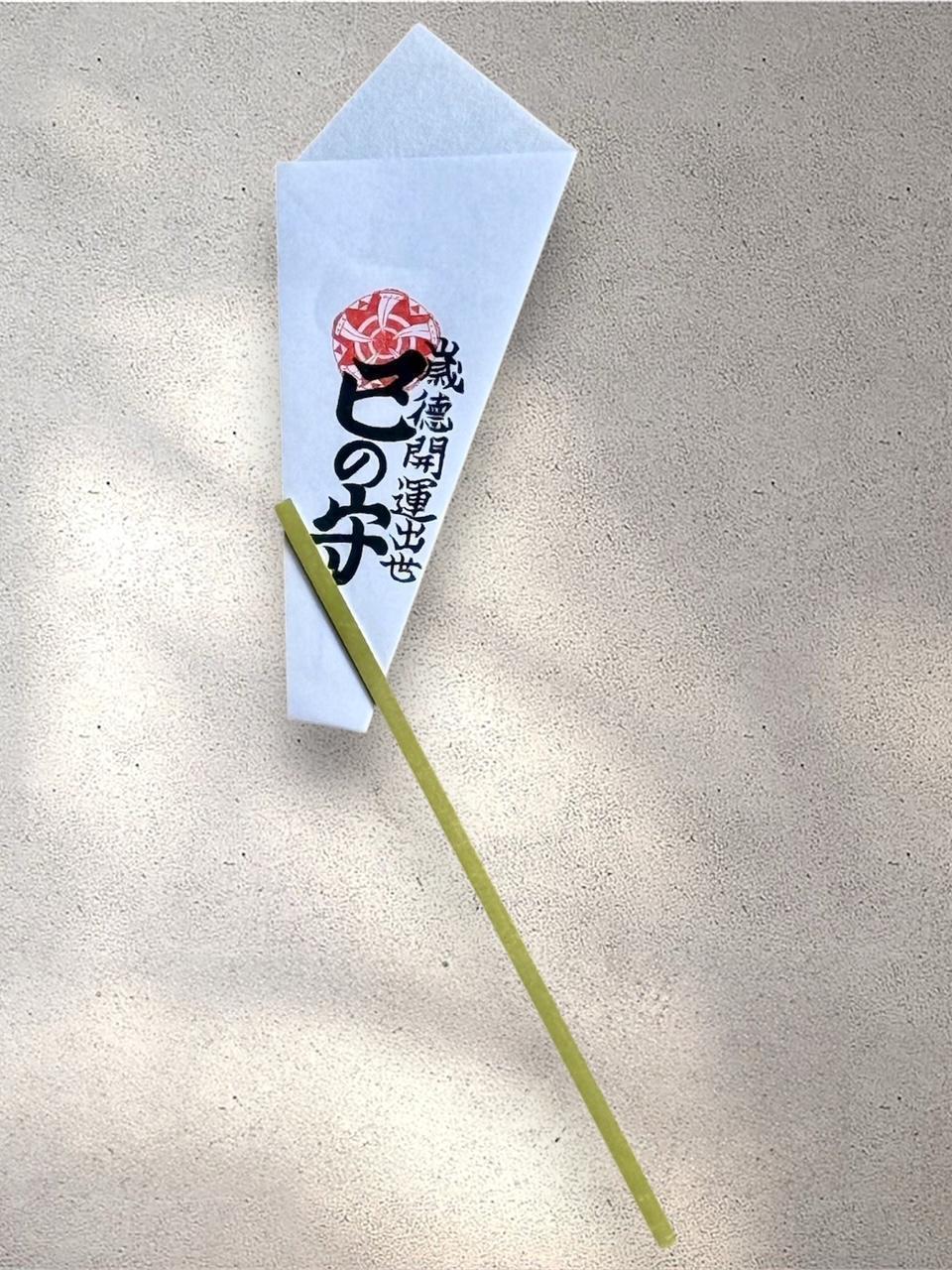
On Hatsushi Day, which is the fair of the Dragon Shrine at the beginning of each year, the “Merke no Mori,” which guides the virtue, advancement and good luck of individuals and families throughout the year, is distributed.
"Morri of the Snake" is distributed only once a year, but you can award a talisman called "Already Money" throughout the year, so if you pray for luck and fortune increase, Why don't you visit Ryu Shrine on the day of the Snake?